
 英语
英语 中文简体
中文简体

Content
- 1 The Fast Answer: A Wheatgrass Smoothie Formula That Actually Works
- 2 Why Blend Wheatgrass Instead of Drinking It as a Straight Shot
- 3 Fresh Wheatgrass, Frozen Cubes, or Powder: Which Blends Better
- 4 Sourcing Wheatgrass: Growing Your Own Versus Buying It Ready-Made
- 5 Ingredients That Actually Pair Well With Wheatgrass
- 6 Adapting the Recipe for Different Diet Styles
- 7 Step-by-Step Method for a Smooth, Drinkable Texture
- 8 Blender Choice Matters: Why a Commercial Smoothie Maker Handles Wheatgrass Fiber Better
- 9 Fixing Common Texture and Flavor Problems
- 10 Batch Prep and Storage Without Losing Color or Nutrients
- 11 Three Wheatgrass Smoothie Variations for Different Goals
- 12 Pairing Wheatgrass With Other Popular Smoothie Add-Ins
- 13 A Simple Weekly Rotation for Wheatgrass Smoothies
- 14 Adjusting the Recipe by Season and Occasion
- 15 Serving and Presentation Tips
- 16 Mistakes That Ruin a Wheatgrass Smoothie
- 17 Frequently Asked Questions
- 17.1 Can I use wheatgrass powder instead of fresh wheatgrass in a smoothie recipe
- 17.2 How much wheatgrass should go into one smoothie
- 17.3 Why does my wheatgrass smoothie taste so bitter
- 17.4 Do I need a special blender for wheatgrass smoothies
- 17.5 Can I make a wheatgrass smoothie ahead of time
- 17.6 What can I add to make the smoothie thicker
- 17.7 Can wheatgrass smoothies be made without a high-powered blender
- 17.8 How long does a wheatgrass smoothie stay fresh in the refrigerator
- 18 Extended FAQ
- 18.1 Is a wheatgrass smoothie better before or after a workout
- 18.2 Can wheatgrass be mixed with protein powder
- 18.3 Should the smoothie be served cold or at room temperature
- 18.4 Can this recipe be made without any blender at all
- 18.5 Why does my homegrown wheatgrass taste different from store-bought
- 18.6 What is the best time of day to drink a wheatgrass smoothie
The Fast Answer: A Wheatgrass Smoothie Formula That Actually Works
A reliable wheatgrass smoothie recipe comes down to four parts: one liquid base, one wheatgrass source, one sweet fruit, and one texture booster. A working ratio is 1 cup of liquid, 1 tablespoon of wheatgrass powder or 1 ounce of fresh wheatgrass juice, one frozen banana, and a handful of ice or frozen mango. Blend on high for 45 to 60 seconds until the mixture turns a uniform pale green with no visible fiber strands.
This formula solves the two biggest complaints people have about wheatgrass drinks: a grassy, bitter aftertaste and a gritty texture. Sweet fruit masks the bitterness, and enough blending time breaks down the fibrous plant matter so the drink feels closer to a milkshake than a lawn clipping.
Once this base ratio feels familiar, everything else in this guide is about adjusting one variable at a time: the liquid for calories and creaminess, the fruit for sweetness and color, and the wheatgrass source for convenience versus flavor strength. Small changes to any one of these have a bigger effect on the final drink than most people expect.
Why Blend Wheatgrass Instead of Drinking It as a Straight Shot
Wheatgrass is traditionally served as a small juiced shot, but that format concentrates the bitterness into a single mouthful, which is why so many people gag on it. Turning wheatgrass into a smoothie spreads the flavor across a larger volume of liquid and fruit, which dilutes the intensity without diluting the nutrient content by much.
A smoothie also gives you room to add fiber-rich ingredients like oats, chia seeds, or leafy greens, turning a quick shot into an actual meal replacement or post-workout drink. For people who want the reputed benefits of wheatgrass, including chlorophyll, a spread of B vitamins, and small amounts of iron and vitamin C, but cannot tolerate the taste of a straight shot, blending is the practical middle ground.
There is also a practical digestive argument for the smoothie format. A juiced shot delivers a concentrated dose of plant compounds on an empty stomach, which is part of why some people report mild nausea after wheatgrass shots. Spreading the same dose across a full glass with fruit, fiber, and liquid slows how quickly it is absorbed and tends to sit better for most people.
- Smoothies dilute bitterness far more effectively than adding water to a juice shot
- Fruit sugars and fat from ingredients like avocado slow how quickly the grassy flavor hits the palate
- A larger serving size means the drink can double as breakfast rather than a supplement shot
- A full glass format sits more comfortably on an empty stomach than a concentrated shot
Fresh Wheatgrass, Frozen Cubes, or Powder: Which Blends Better
The form of wheatgrass you start with changes both the flavor and how much blending power you need. Fresh-cut wheatgrass has the brightest flavor but also the toughest fiber, since the blades are essentially raw grass stalks. Frozen wheatgrass juice cubes are pre-juiced, so a blender only needs to mix and chill rather than break down plant fiber. Powdered wheatgrass is the most convenient option and mixes almost instantly, though it has a more concentrated, sometimes chalkier taste.
| Form | Blending Difficulty | Flavor Intensity | Best Paired With |
|---|---|---|---|
| Fresh cut wheatgrass | High, needs a strong motor | Bright, grassy | Pineapple, mint, coconut water |
| Frozen wheatgrass juice cubes | Low to moderate | Balanced, slightly milder | Banana, mango, almond milk |
| Wheatgrass powder | Very low | Concentrated, earthy | Citrus, apple, ginger |
If you are growing your own wheatgrass at home, harvest the blades when they reach about six inches tall and use scissors rather than tearing by hand, since a clean cut keeps the fiber shorter and easier to blend. Store any unused fresh wheatgrass wrapped loosely in a damp paper towel inside the refrigerator, where it holds its color and flavor for three to four days.
Sourcing Wheatgrass: Growing Your Own Versus Buying It Ready-Made
Wheatgrass is one of the easier greens to grow indoors, which is part of why so many smoothie drinkers eventually start their own tray on a kitchen windowsill. A standard tray of wheat berries soaked overnight and spread over soil will sprout within two to three days and reach a harvestable height of five to seven inches within seven to ten days, depending on light and room temperature.
Growing your own
The main advantage of growing wheatgrass at home is freshness. Cut blades lose some of their bright flavor and color within a few days, so a home tray lets you harvest exactly what you need right before blending. The tradeoff is time and a small amount of daily maintenance, since the tray needs light watering once or twice a day to stay moist without becoming soggy.
Buying fresh, frozen, or powdered
Buying wheatgrass ready-made removes the growing step entirely. Fresh-cut wheatgrass from a grocery store or juice bar is closest to homegrown in flavor, but it has the shortest shelf life, usually just a few days refrigerated. Frozen juice cubes and powder both trade a small amount of brightness for much longer shelf life, often several months when stored properly, which makes them the more practical choice for anyone making smoothies only once or twice a week.
What to look for when buying
For fresh wheatgrass, look for blades that are deep green with no yellowing at the tips, since yellowing is the first sign the grass is past its best flavor window. For powder, a fine, consistent texture without visible clumps usually blends more smoothly and evenly into a smoothie than a coarser grind.
Ingredients That Actually Pair Well With Wheatgrass
Wheatgrass has a flavor closer to raw hay than to a leafy vegetable, so the rest of the smoothie needs to work against that. The most dependable pairings fall into three categories: sweet fruit for flavor cover, creamy elements for mouthfeel, and mild liquids that will not compete with the grass flavor.
Liquid base options
Coconut water, unsweetened almond milk, and plain filtered water all work. Dairy milk is usable but its stronger flavor tends to clash with the grassy notes rather than mask them. Oat milk sits somewhere in the middle, adding a mild sweetness without overpowering the other ingredients.
Fruit that covers bitterness
Banana, mango, pineapple, and green apple all bring enough natural sugar to offset the bitterness. Pineapple in particular tends to be the most requested pairing because its acidity also brightens the color and smell of the finished drink. Frozen grapes work well too, adding sweetness without watering down the texture.
Creamy add-ins
A quarter of an avocado or two tablespoons of plain yogurt smooths out the drink and reduces any lingering grittiness left over from the fiber in fresh wheatgrass. Nut butter in small amounts also adds body, though it should be used sparingly since it can overpower the lighter fruit flavors.
Ingredients to avoid or use sparingly
Strongly flavored greens like kale or spinach compound the bitterness rather than balancing it, so they are best left out of a first attempt. Very acidic citrus in large amounts can also curdle dairy-based liquids, so pair citrus with plant milk or water instead of cow's milk.
Adapting the Recipe for Different Diet Styles
The base wheatgrass smoothie formula is flexible enough to adjust for different dietary goals without changing the core method. Because the wheatgrass itself contributes very little sugar or calories, most of the adjusting happens in the fruit, liquid, and add-in choices.
Lower sugar version
Swap banana or mango for half an avocado and a small amount of unsweetened plant milk. Avocado provides the same creamy texture without the natural sugar that fruit adds, though the flavor becomes milder and less sweet, so the wheatgrass portion should be reduced slightly to keep bitterness in check.
Higher protein version
Add a scoop of plain protein powder, a spoonful of nut butter, or a serving of Greek yogurt on top of the standard formula. Adding protein powder can slightly thicken the drink, so it often helps to add an extra splash of liquid to keep the texture pourable.
Fully plant-based version
Use coconut water or a plant-based milk as the liquid, plant-based yogurt in place of dairy yogurt, and a plant-based protein powder if extra protein is desired. The rest of the base formula already fits a plant-based approach without any changes.
Step-by-Step Method for a Smooth, Drinkable Texture
- Add the liquid base first, so the blades have room to move and do not seize against dense fruit
- Add wheatgrass powder or juice next, while the liquid layer is still on the bottom
- Layer in soft fruit such as banana or mango, followed by frozen fruit or ice on top
- Start blending on a low setting for 10 seconds to break the ice and fruit down before shifting to high speed
- Blend on high for 45 to 60 seconds, stopping once to scrape down the sides if the blender has a narrow jar
- Pour immediately and drink within 15 minutes, since the bright green color starts to dull with air exposure
If the finished smoothie still has visible green flecks after a full minute of blending, the fresh wheatgrass fiber was likely too long. Cutting the blades into shorter one-inch pieces before adding them to the jar solves this in almost every case.
A tamper or spatula helps if the blender stalls partway through, but always stop the machine completely before using one, and never insert anything into a running blender jar.
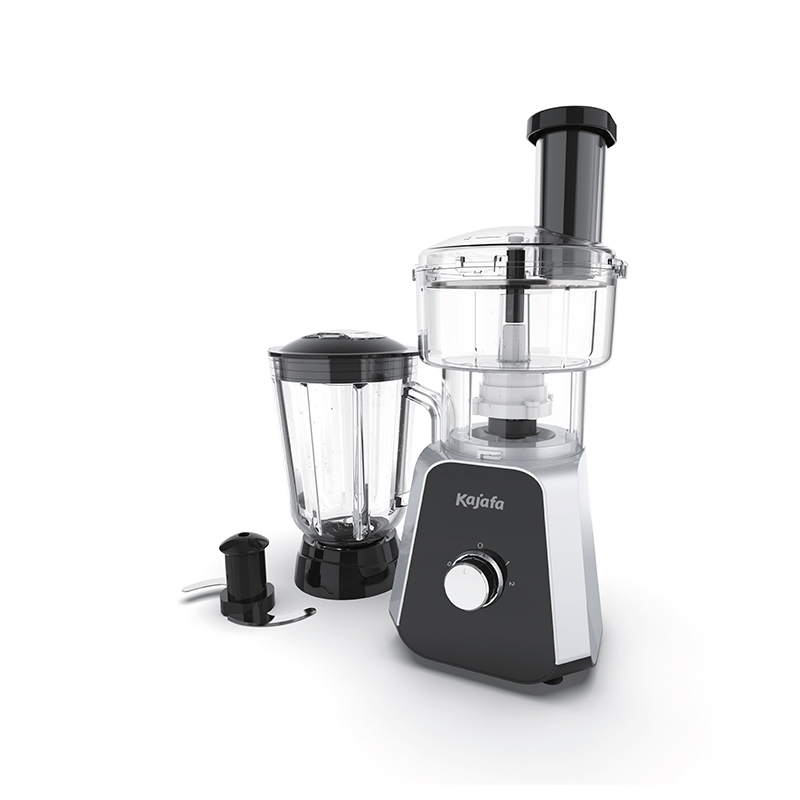
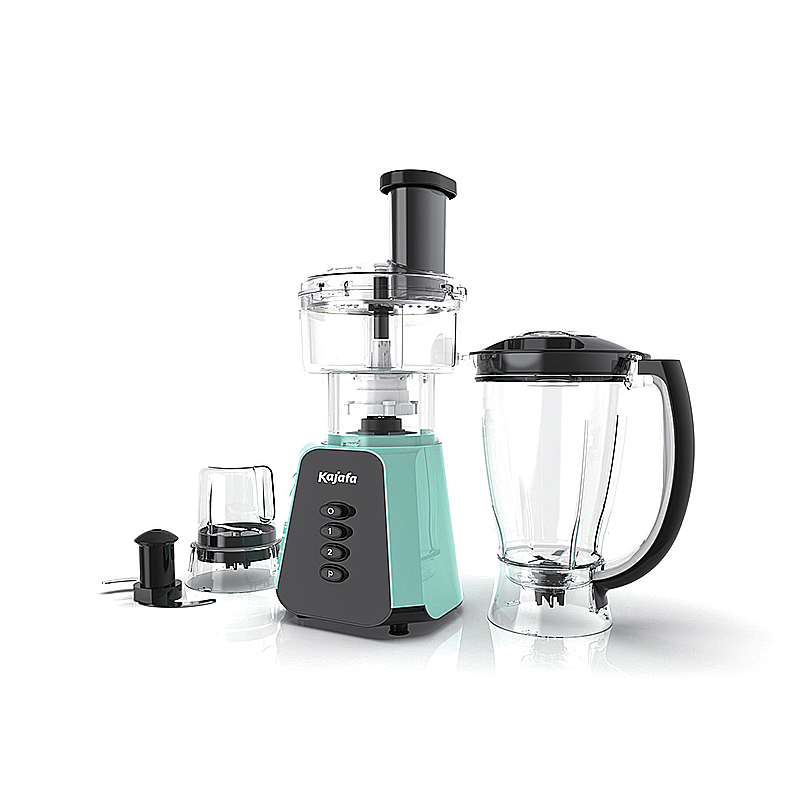
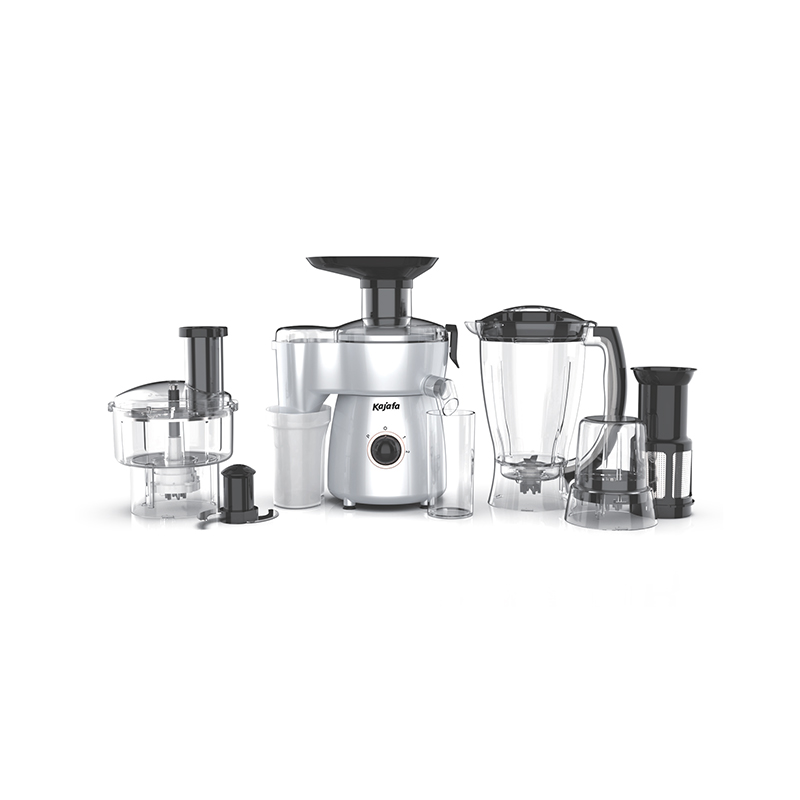
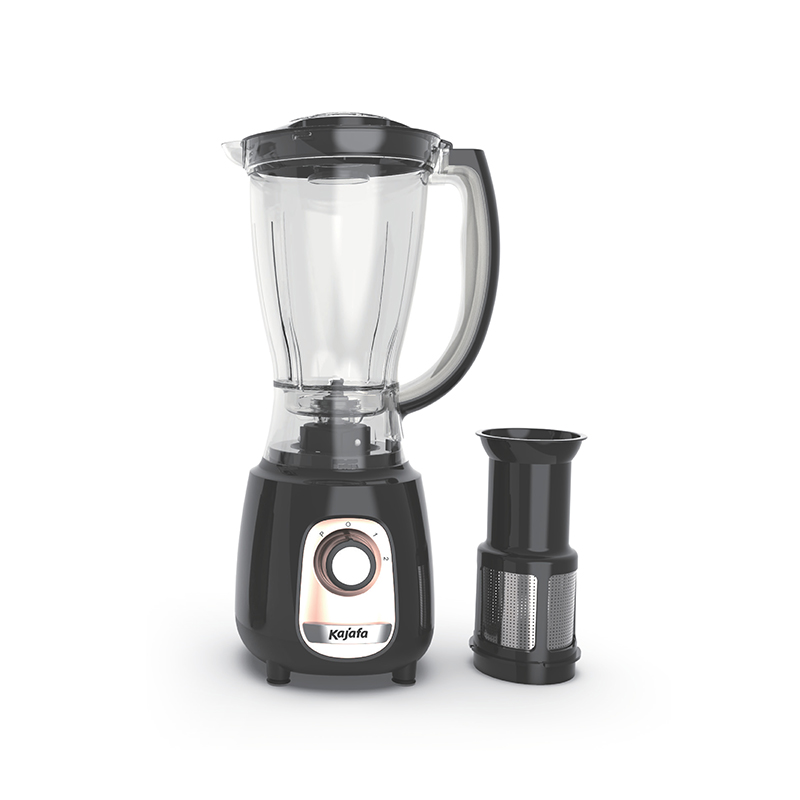
Blender Choice Matters: Why a Commercial Smoothie Maker Handles Wheatgrass Fiber Better
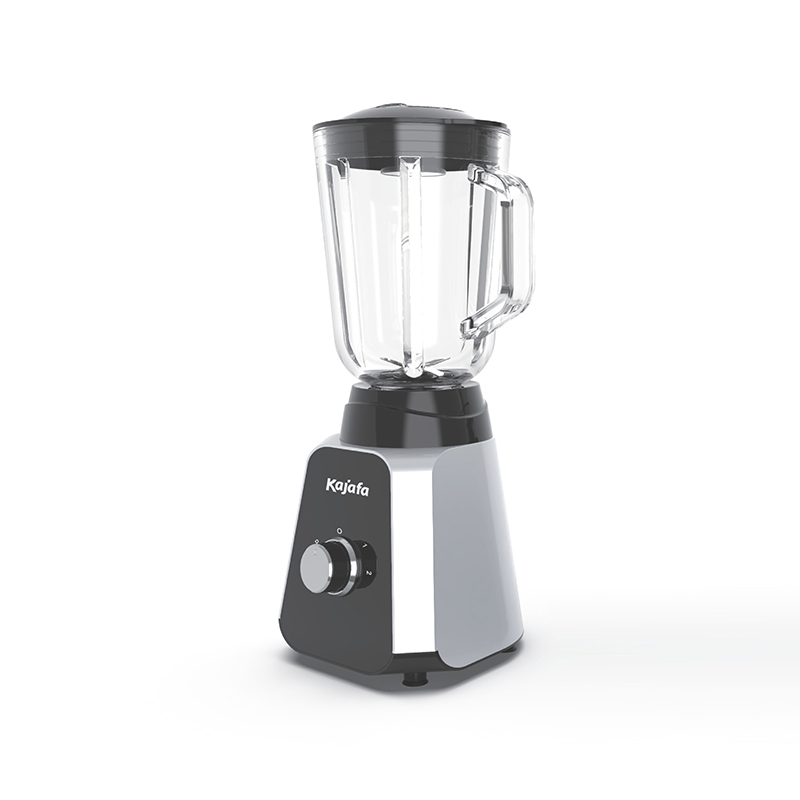
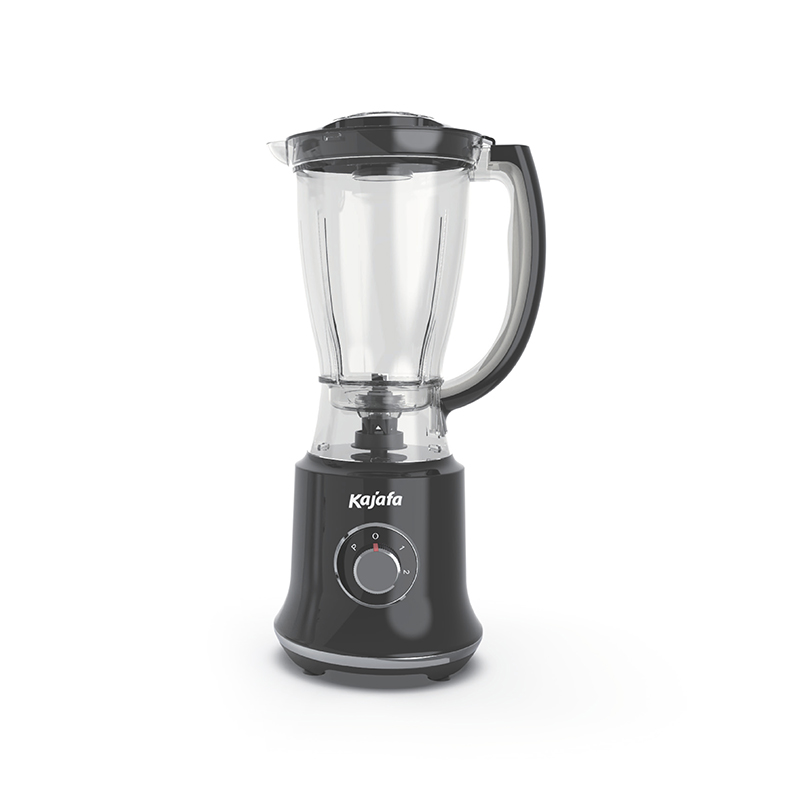
Fresh wheatgrass is fibrous in a way most smoothie ingredients are not. A standard home blender with a lower-wattage motor can leave behind stringy bits that get stuck between the teeth, which is the single most common complaint about wheatgrass smoothies made at home. A commercial smoothie maker is built around a higher-torque motor and a blade assembly designed for continuous, high-volume use, so it shears through grass fiber far more completely and in less time.
This is why juice bars and smoothie shops that serve wheatgrass drinks on a daily basis almost always use commercial-grade equipment rather than consumer blenders. The difference shows up in three places: blending speed, consistency across large batches, and how long the motor can run under load without overheating.
| Feature | Typical Home Blender | Commercial Smoothie Maker |
|---|---|---|
| Motor power | Lower wattage, built for short bursts | Higher torque, built for sustained blending |
| Blending time for fibrous greens | 60 to 90 seconds, sometimes with fiber left behind | Under 30 seconds with a fully smooth result |
| Jar capacity | Usually single-serving to 1.5 liters | Often 2 liters or more, suited to batch prep |
| Duty cycle | Needs rest between uses to avoid overheating | Designed for back-to-back daily use |
| Noise and vibration | Can shift on the counter under heavy load | Heavier base and housing keep it stable during long runs |
For anyone making wheatgrass smoothies once in a while at home, a mid-range personal blender is usually enough as long as the grass is chopped small first. For cafes, gyms, or households making large batches every day, the extra torque and durability of a commercial-grade unit removes the fiber problem entirely and cuts prep time significantly.
Anyone weighing this purchase for a business setting should also factor in cleaning time. A commercial smoothie maker with a self-clean cycle can be rinsed between orders in under a minute, which matters far more once a shop is serving dozens of green smoothies a day rather than one at a time.
Fixing Common Texture and Flavor Problems
The smoothie tastes too bitter
Cut the wheatgrass amount by half and add an extra piece of fruit. Bitterness is almost always a ratio problem rather than an ingredient problem.
The texture is gritty
Switch from fresh-cut wheatgrass to juice or powder, or extend blending time by 20 to 30 seconds. Adding a small amount of extra liquid also helps the blades move the fiber through more evenly.
The color turns dull or brownish
This happens when the smoothie sits out too long and the chlorophyll oxidizes. Drink it within 15 minutes, or add a squeeze of lemon juice, which slows the color change.
The smoothie separates after a few minutes
Add a thickener such as a small amount of oats, chia seeds, or half a banana. These bind the liquid and fiber together for longer.
The smoothie is too thin or watery
Reduce the liquid by a quarter cup and add one extra frozen fruit piece. Frozen fruit thickens the drink without diluting flavor the way extra ice can.
Batch Prep and Storage Without Losing Color or Nutrients
Wheatgrass smoothies are best consumed fresh, but batch prep is possible if a few steps are followed. Pre-portion all non-liquid ingredients, including chopped wheatgrass, fruit, and any add-ins, into individual freezer bags or containers. Store the liquid base separately and combine only right before blending.
If a fully blended smoothie needs to be stored, keep it in an airtight container, fill it to the top to reduce air contact, and refrigerate for no more than 24 hours. Freezing a finished smoothie in individual portions extends this to about a month, though the texture will be slightly thinner once thawed and should be re-blended briefly before drinking.
- Pre-chop wheatgrass and freeze it flat in bags so pieces separate easily
- Keep liquid separate until blending day to avoid early oxidation
- Use small, single-serving containers rather than one large batch to limit air exposure per serving
- Label each freezer bag with the date, since pre-chopped wheatgrass loses its brightest flavor after about two weeks frozen
Three Wheatgrass Smoothie Variations for Different Goals
| Variation | Key Ingredients | Best For |
|---|---|---|
| Tropical green | Wheatgrass, pineapple, coconut water, mint | First-time drinkers who want mild flavor |
| Protein recovery | Wheatgrass, banana, almond milk, yogurt, chia seeds | Post-workout drinks |
| Citrus refresh | Wheatgrass, green apple, orange, ginger, water | A lighter, lower-calorie option |
| Kid-friendly green | Wheatgrass powder, banana, strawberry, milk of choice | Introducing greens to picky eaters |
Pairing Wheatgrass With Other Popular Smoothie Add-Ins
Wheatgrass is often combined with other green or superfood-style ingredients, though not every pairing works well together in the same glass. Matching flavors and textures carefully keeps the drink balanced instead of muddled.
| Add-In | How It Works With Wheatgrass | Suggested Amount |
|---|---|---|
| Fresh ginger | Adds a warm, sharp note that cuts through the grassy flavor | A quarter-inch piece |
| Lemon or lime juice | Brightens color and flavor while slowing oxidation | One teaspoon |
| Mint leaves | Adds freshness and pairs especially well with pineapple versions | Three to five leaves |
| Chia or flax seeds | Thickens the texture and adds a mild nutty note | One tablespoon |
Matcha and spirulina are both popular in green smoothies, but combining either one directly with wheatgrass tends to create an overly intense, muddy flavor since all three ingredients share a similar earthy quality. If mixing them, use a smaller amount of wheatgrass than usual and lean more heavily on sweet fruit to keep the drink balanced.
A Simple Weekly Rotation for Wheatgrass Smoothies
Drinking the exact same smoothie every day tends to get repetitive quickly. Rotating through a small set of variations keeps the flavor interesting while still relying on the same base formula and prep routine.
| Day | Variation | Notes |
|---|---|---|
| Monday | Tropical green | Easiest to prep ahead using frozen pineapple |
| Wednesday | Protein recovery | Good fit after a midweek workout |
| Friday | Citrus refresh | Lighter option to close out the week |
| Weekend | Kid-friendly green or a seasonal swap | More time available for fresh ingredients |
Adjusting the Recipe by Season and Occasion
The same base formula stretches easily across the year by swapping in whatever fruit is at its peak. In warmer months, pineapple, mango, and watermelon rind keep the drink light and hydrating. In cooler months, apple, pear, and a small pinch of cinnamon give the smoothie a warmer, more autumnal character while still masking the grassy edge of the wheatgrass.
Morning versus post-workout versions
A morning version benefits from a slower-digesting liquid base like oat milk and a small amount of fat from nut butter or avocado, which helps keep energy steady through the late morning. A post-workout version leans on faster-digesting carbohydrates, such as banana and mango, paired with a scoop of plain yogurt or a protein source for recovery.
Making it for guests or a crowd
When scaling the recipe up for several people at once, multiply every ingredient proportionally rather than simply adding more wheatgrass, since it is easy to accidentally double the bitterness while only slightly increasing the fruit. Blending in two smaller batches also keeps the texture more consistent than trying to force one oversized batch through a single blending cycle.
Serving and Presentation Tips
A wheatgrass smoothie tends to look more appealing served cold in a clear glass, since the bright green color is part of what makes the drink feel fresh. Chilling the glass in the freezer for ten minutes before pouring helps the smoothie stay cold longer without needing extra ice, which can dilute the flavor.
For a layered look, blend a small portion without wheatgrass first and pour it into the glass, then blend the full green mixture and pour it on top. The two layers will hold briefly before mixing, giving a two-tone effect that works well for entertaining.
Mistakes That Ruin a Wheatgrass Smoothie
- Using too much wheatgrass relative to fruit, which overwhelms the flavor with bitterness
- Adding long, uncut wheatgrass blades directly into the blender, which leaves fiber strands behind
- Blending on a low speed setting the entire time instead of finishing on high
- Letting the finished smoothie sit for more than 20 to 30 minutes before drinking
- Skipping a creamy or fatty ingredient, which leaves the texture thin and watery
- Adding wheatgrass powder directly on top of ice, which can cause it to clump instead of dissolving evenly
Frequently Asked Questions
Can I use wheatgrass powder instead of fresh wheatgrass in a smoothie recipe
Yes. One teaspoon of powder generally substitutes for about one ounce of fresh wheatgrass juice. Powder blends faster and produces a smoother texture, though the flavor is slightly more concentrated.
How much wheatgrass should go into one smoothie
Start with one tablespoon of powder or one ounce of fresh juice per 12 to 16 ounce serving. This is enough to get the flavor and color without overwhelming the fruit.
Why does my wheatgrass smoothie taste so bitter
Bitterness usually comes from using too much wheatgrass relative to fruit, or from wheatgrass that has started to oxidize after sitting too long once juiced. Reducing the amount and adding more sweet fruit fixes most cases.
Do I need a special blender for wheatgrass smoothies
A standard blender works fine for occasional use if the wheatgrass is chopped small first. For frequent, high-volume use, such as in a cafe or gym setting, a commercial smoothie maker handles the fiber more completely and holds up better under daily use.
Can I make a wheatgrass smoothie ahead of time
It is best consumed within 15 to 20 minutes of blending. If you need to prep ahead, freeze pre-portioned ingredients separately and blend fresh with liquid on the day you plan to drink it.
What can I add to make the smoothie thicker
Frozen banana, oats, chia seeds, or a small amount of avocado all thicken the texture without changing the flavor significantly.
Can wheatgrass smoothies be made without a high-powered blender
Yes, as long as the wheatgrass is switched to juice or powder form rather than fresh blades, since those forms do not rely on the blender to break down tough fiber.
How long does a wheatgrass smoothie stay fresh in the refrigerator
Up to 24 hours if kept in an airtight container filled close to the top. The color and flavor are noticeably better within the first few hours, so same-day drinking is always the better option when possible.
Extended FAQ
Is a wheatgrass smoothie better before or after a workout
Either works, but the ingredients should shift depending on timing. Before a workout, keep the drink lighter with less fat so it digests quickly. After a workout, adding protein powder or Greek yogurt supports recovery better than the lighter pre-workout version.
Can wheatgrass be mixed with protein powder
Yes. Unflavored or vanilla protein powder blends in without clashing with the wheatgrass flavor. Strongly flavored protein powders, such as chocolate, tend to compete with the grassy notes rather than complement them.
Should the smoothie be served cold or at room temperature
Cold. A chilled smoothie holds its bright color and fresh taste noticeably better than one left at room temperature, where the flavor flattens more quickly.
Can this recipe be made without any blender at all
Not practically. A blender or a similarly powered mixing device is necessary to combine the wheatgrass, fruit, and liquid into a drinkable texture. Hand-mixing or shaking will not break down the fiber or fully combine the ingredients.
Why does my homegrown wheatgrass taste different from store-bought
Flavor varies with how the wheatgrass is grown, how much sunlight it received, and how soon after harvest it is used. Homegrown wheatgrass cut and blended within the hour is usually milder and sweeter than store-bought grass that has been sitting for a day or two.
What is the best time of day to drink a wheatgrass smoothie
Morning is the most common choice, since the drink works well as a light breakfast or a pairing alongside one. There is no strict rule, though, and the recipe adapts equally well as a midday snack or a post-workout drink depending on the ingredients chosen.