
 英语
英语 中文简体
中文简体

Content
- 1 The Core Flavor Profile of Carrot Juice
- 2 How Carrot Variety and Color Change the Taste
- 3 How Your Juicer Changes What Carrot Juice Tastes Like
- 4 Fresh Juice vs. Store-Bought Carrot Juice
- 5 Why Carrot Juice Tastes Different From Biting Into a Raw Carrot
- 6 How Ripeness and Harvest Timing Shape the Flavor
- 7 Do Soil and Growing Conditions Affect the Taste?
- 8 How to Make Carrot Juice Taste Better
- 9 Popular Carrot Juice Blends and How They Taste
- 10 Common Mistakes That Ruin the Taste of Carrot Juice
- 11 How to Store Carrot Juice So It Keeps Its Taste
- 12 How Carrot Juice Compares to Other Vegetable Juices
- 13 How Professionals Describe the Taste of Carrot Juice
- 14 Why Carrot Juice Can Taste Bitter
- 15 Nutritional Snapshot: What's Behind the Flavor
- 16 Frequently Asked Questions
- 16.1 Does carrot juice taste like a vegetable or a fruit?
- 16.2 Why does my homemade carrot juice taste different each time?
- 16.3 Is carrot juice supposed to taste sweet?
- 16.4 Does the type of juicer really change the taste that much?
- 16.5 How can I make carrot juice taste less earthy?
- 16.6 Does carrot juice taste the same once it's stored?
- 16.7 Do purple or yellow carrots taste different when juiced?
- 16.8 Does peeling carrots before juicing change the taste?
- 16.9 Why does carrot juice from a juice bar taste better than my homemade version?
- 16.10 Can freezing carrot juice change how it tastes?
- 16.11 Does adding water dilute the taste of carrot juice too much?
Quick Answer
Carrot juice tastes naturally sweet with an earthy, vegetal backbone and a light peppery finish. Most people describe the first sip as closer to a mellow fruit juice than a "vegetable" drink, followed by a grounded, almost mineral aftertaste that comes from the carrot's fiber and terpenoid compounds. The exact taste shifts depending on the carrot variety, how ripe the carrots are, and — just as importantly — which juicer you use to extract it.
The Core Flavor Profile of Carrot Juice
Carrot juice is built from three overlapping flavor layers rather than a single dominant taste. Understanding these layers makes it easier to predict how a batch will taste before you even run the carrots through a juicer.
Layer 1
Sweetness
Raw carrots carry roughly 5 to 7 grams of natural sugar per 100 grams, mostly sucrose and glucose. Juicing concentrates this sugar since the water and fiber are separated, so a glass of fresh juice tastes noticeably sweeter than biting into a raw carrot.
Layer 2
Earthiness
Compounds called terpenoids, the same family responsible for the smell of soil after rain, give carrot juice its grounded, almost woody undertone. This is what separates carrot juice from sweeter juices like apple or pineapple.
Layer 3
Peppery Finish
A faint, warming bite lingers after swallowing, similar to a very mild radish or fresh parsley. This finish tends to be more noticeable in juice made from mature, thick-cored carrots than from young, slender ones.
How Carrot Variety and Color Change the Taste
Not all carrots taste the same once juiced. Color is a reliable clue to flavor because it reflects which pigment compounds dominate the root.
| Carrot Type | Dominant Pigment | Juice Taste Notes |
|---|---|---|
| Orange (standard) | Beta-carotene | Balanced sweet-earthy, the benchmark flavor most people expect |
| Purple | Anthocyanins | Sweeter upfront, slightly tangy, deeper color with a berry-like edge |
| Yellow | Xanthophylls | Milder and less earthy, closer to a soft, neutral sweetness |
| Red | Lycopene | Slightly sweeter and rounder, with a gentler peppery finish |
Carrot age matters too. Young, thin carrots juice into a lighter, sweeter drink, while older carrots with a thick woody core push the earthy and peppery notes forward. If a batch of carrot juice tastes unusually bitter, the core of the carrots is often the reason, and trimming it out before juicing usually softens the flavor.
How Your Juicer Changes What Carrot Juice Tastes Like
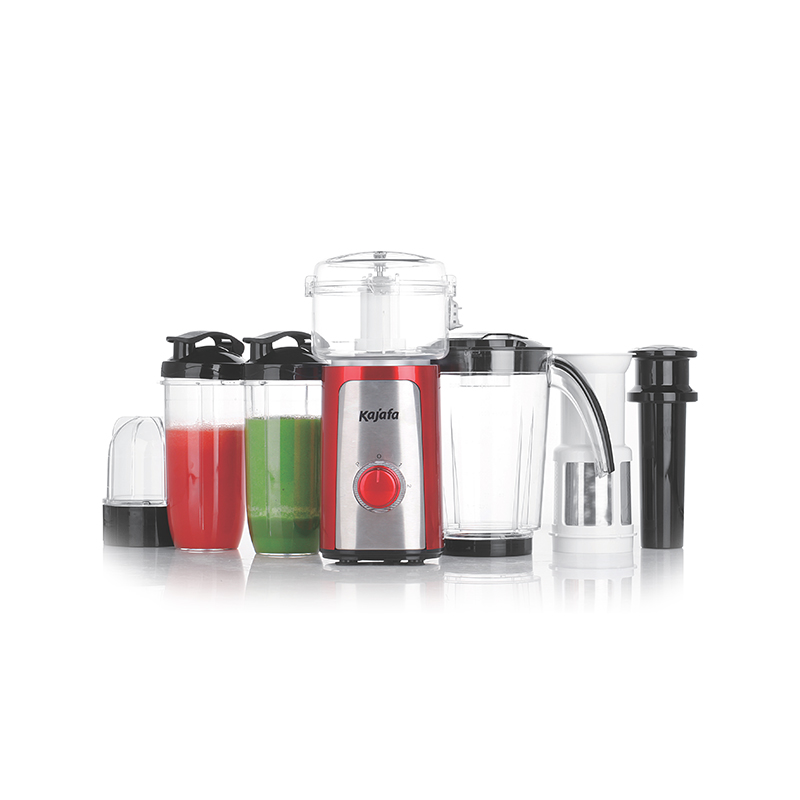
The type of juicer used has a bigger impact on flavor than most people expect. Juicing methods differ in how much heat, air, and oxidation the carrots are exposed to, and each of those factors changes the final taste.
| Juicer Type | Extraction Method | Effect on Taste |
|---|---|---|
| Centrifugal juicer | Fast spinning blade shreds and spins out juice | Lighter, frothier juice; faster oxidation can dull sweetness within minutes |
| Masticating (slow) juicer | Auger chews and presses carrots at low speed | Fuller-bodied, sweeter-tasting juice with less foam and a smoother mouthfeel |
| Cold press (hydraulic) juicer | Carrots are ground, then pressed under high pressure | Most concentrated, sweetest flavor with the longest-lasting freshness |
A slow masticating juicer or cold press juicer generates far less heat and oxygen exposure than a high-speed centrifugal juicer. Less oxidation means the natural sugars and aromatic compounds stay intact longer, which is why juice from a slow juicer often tastes rounder and sweeter, while juice from a fast centrifugal juicer can taste thinner and slightly more bitter if it sits for even ten or fifteen minutes before drinking.
If a juicer leaves behind dry, crumbly pulp, it is extracting efficiently and pulling more of the sweet liquid out of the fiber. If the pulp still looks wet, some of that natural sweetness is being left behind in the discarded pulp rather than in the glass.
Fresh Juice vs. Store-Bought Carrot Juice
Fresh carrot juice made at home in a juicer tastes noticeably different from the pasteurized, bottled versions found in most grocery stores.
- Fresh juice: Brighter, sweeter, and more vegetal, with a short shelf life of about 24 to 48 hours in the refrigerator.
- Store-bought juice: Pasteurization mellows the sharp, earthy top notes and often leaves a flatter, more one-dimensional sweetness.
- Concentrate-based juice: Reconstituted from concentrate, this version tends to taste noticeably sweeter and less complex than juice pressed directly from whole carrots.
Anyone who has only tried the bottled version is often surprised by how much brighter and more layered carrot juice tastes straight out of a juicer.
Why Carrot Juice Tastes Different From Biting Into a Raw Carrot
Eating a whole carrot and drinking a glass of carrot juice are not the same flavor experience, even though the ingredient is identical. Chewing a raw carrot releases flavor gradually and mixes it with saliva, while a juicer separates the liquid from the fiber all at once, concentrating everything into a single continuous taste.
Three things change once a carrot goes through a juicer:
- Sugar concentration rises because the fiber, which normally dilutes the eating experience, is mostly removed.
- Aromatic compounds are released faster, since juicing ruptures far more plant cells than chewing does, intensifying both the sweet and earthy notes at once.
- Texture disappears, so the crunchy, watery mouthfeel of a raw carrot is replaced by a smooth, almost silky liquid that carries flavor differently across the tongue.
This is why some people who find raw carrots bland are surprised by how much more flavorful carrot juice tastes, while others who love raw carrots find the juice slightly overwhelming at first.
How Ripeness and Harvest Timing Shape the Flavor
Early Harvest (Young Carrots)
Picked before full maturity, these carrots are thinner, lighter in color, and juice into a mild, watery-sweet drink with very little earthy bite.
Peak Maturity
This is the sweet spot for juicing. Sugar content is highest, the core is still tender, and the balance between sweetness, earthiness, and pepper is most pronounced and well rounded.
Late Harvest (Overgrown Carrots)
Left in the ground too long, carrots develop a thick, woody core and lose sugar to continued root growth, producing a juice that tastes more bitter and fibrous.
Post-Harvest Storage
Carrots continue to lose moisture and sugar the longer they sit in storage, even under refrigeration, so juice from carrots stored for several weeks tastes flatter than juice from freshly pulled ones.
Do Soil and Growing Conditions Affect the Taste?
Carrots are root vegetables, which means they absorb flavor compounds directly from the soil they grow in, more so than many above-ground vegetables. This makes growing conditions a real factor in how the finished juice tastes.
Soil Type
Sandy vs. Clay Soil
Carrots grown in loose, sandy soil tend to be sweeter and less fibrous, since they grow faster and straighter. Clay-heavy soil often produces denser, more fibrous roots with a stronger earthy taste.
Climate
Cool vs. Warm Growing Seasons
Carrots grown in cooler temperatures generally develop more sugar as a natural response to the cold, which is why fall and early winter carrots often juice into a sweeter drink than summer-grown ones.
Farming Method
Organic vs. Conventional
Differences here are usually subtle, but many organically grown carrots are harvested at smaller sizes with less forced growth, which can translate to a slightly more concentrated, less watery juice.
How to Make Carrot Juice Taste Better
If straight carrot juice tastes too earthy or one-note, small additions can round out the flavor without masking it.
- 1. Add apple — boosts sweetness and adds a crisp, fruity top note.
- 2. Add fresh ginger — a small piece adds warmth and cuts through the earthiness.
- 3. Add citrus — a squeeze of lemon or orange brightens the juice and balances sweetness with acidity.
- 4. Add beet — deepens both the color and the sweetness, though it also intensifies the earthy note.
- 5. Chill it well — carrot juice tastes noticeably less sweet at room temperature, so serving it cold sharpens the flavor.
Running these add-ins through the juicer alongside the carrots, rather than stirring them in afterward, blends the flavors more evenly since everything is extracted together.
Popular Carrot Juice Blends and How They Taste
Beyond single add-ins, many home juicers build entire blends around carrot as the base. Here is how some of the most common combinations taste once run through a juicer.
| Blend | Taste Result |
|---|---|
| Carrot + Apple + Ginger | Sweet and warming, with the ginger cutting through the earthiness and the apple softening the pepper finish |
| Carrot + Orange + Turmeric | Bright and citrus-forward, with turmeric adding a subtle bitter-earthy note that blends into the carrot's own earthiness |
| Carrot + Celery + Cucumber | Lighter and more savory, since celery and cucumber dilute the sweetness and add a grassy, refreshing edge |
| Carrot + Beet + Lemon | Deep, sweet, and earthy, with lemon acidity keeping the beet's dominant sweetness from feeling heavy |
| Carrot + Pineapple + Mint | Tropical and cooling, one of the least "vegetal" tasting combinations since the pineapple sugar dominates |
Common Mistakes That Ruin the Taste of Carrot Juice
Beyond bitterness, a handful of everyday habits quietly flatten or unbalance the flavor of a fresh batch.
01
Juicing unwashed carrots can leave a faint soil or dirt taste behind, especially with unpeeled roots.
02
Mixing too many strong add-ins at once, like beet, ginger, and turmeric together, can bury the carrot's own flavor entirely.
03
Letting juice sit uncovered speeds up oxidation and lets the aroma, along with much of the perceived sweetness, evaporate off.
04
Using a dull juicer blade or worn auger extracts less juice from the fiber, leaving a thinner, less flavorful result.
05
Skipping a rinse of the juicer between uses can leave residual flavors from a previous batch that muddy the next one.
06
Storing juice in a clear container under light exposure breaks down flavor compounds faster than storing it in an opaque, airtight bottle.
How to Store Carrot Juice So It Keeps Its Taste
Because fresh carrot juice has no preservatives, taste begins changing the moment it is extracted. A few habits noticeably extend how long it stays close to its just-juiced flavor.
- Transfer juice into an airtight, opaque container immediately after juicing to limit oxygen and light exposure.
- Fill the container as close to the top as possible, leaving minimal air space, which slows oxidation.
- Refrigerate right away rather than leaving juice at room temperature, since warmth accelerates both flavor loss and bacterial growth.
- Drink within 24 to 48 hours for the brightest flavor; juice from a cold press juicer generally holds its taste toward the longer end of that window.
How Carrot Juice Compares to Other Vegetable Juices
Carrot juice sits at the milder, sweeter end of the vegetable juice spectrum. Here is how it stacks up against other common options.
| Vegetable Juice | Taste Compared to Carrot Juice |
|---|---|
| Beet juice | Sweeter but far more earthy, with a distinct mineral, almost soil-like intensity that carrot juice lacks |
| Celery juice | Much less sweet, salty and grassy rather than sugary |
| Cucumber juice | Watery and neutral, with almost none of carrot juice's sweetness or body |
| Tomato juice | Savory and tangy rather than sweet, with a thicker, more acidic profile |
Among common vegetable juices, carrot juice is generally considered the easiest entry point for people who are new to vegetable juicing, precisely because its sweetness makes it approachable rather than purely savory.
How Professionals Describe the Taste of Carrot Juice
Juice bar staff and home juicing enthusiasts tend to use a fairly consistent vocabulary when describing carrot juice, which mirrors the layered taste breakdown covered earlier in this guide.
"Bright, sweet, and grounded" is the phrase used most often to summarize a well-made glass, and it captures the three layers well: bright sweetness up front, an earthy body in the middle, and a grounded, slightly peppery finish at the end.
Tasting notes commonly used to describe carrot juice include: sweet, earthy, vegetal, grounded, mineral, peppery, and mellow. Juice that leans too far toward "sharp" or "grassy" usually signals either an older batch of carrots or excess oxidation, rather than a flavor carrot juice is supposed to have.
Why Carrot Juice Can Taste Bitter
Bitterness is the most common complaint about carrot juice, and it almost always traces back to one of a few causes.
01
Old or stored carrots lose sugar over time and develop a more concentrated, bitter terpenoid flavor.
02
The woody core of mature carrots is more bitter than the outer flesh, especially in large, thick roots.
03
Oxidation from a fast centrifugal juicer or from letting juice sit too long can turn a sweet batch flat and slightly bitter.
04
Green tops left on the carrot before juicing add a sharp, grassy bitterness that most people prefer to trim off first.
Nutritional Snapshot: What's Behind the Flavor
The compounds that give carrot juice its taste are the same ones responsible for its nutrition profile. A typical 8-ounce (240 ml) glass of fresh carrot juice looks roughly like this:
| Nutrient | Approximate Amount |
|---|---|
| Calories | 90–95 kcal |
| Natural sugars | 8–9 g |
| Vitamin A (from beta-carotene) | Well over 100% of daily value |
| Potassium | ~700 mg |
The high beta-carotene content is directly tied to the sweet, orange-forward taste, while the fiber compounds left partially in the juice (depending on the juicer's mesh or filter) contribute to the earthy body of the drink.
Frequently Asked Questions
Does carrot juice taste like a vegetable or a fruit?
It sits in between. The sweetness is closer to a mild fruit juice, but the earthy, grounded finish clearly marks it as a vegetable juice rather than something like apple or orange juice.
Why does my homemade carrot juice taste different each time?
Flavor varies with carrot freshness, variety, growing conditions, and the type of juicer used. Juice made from young, fresh orange carrots in a slow masticating juicer will taste noticeably sweeter than juice from older carrots run through a fast centrifugal juicer.
Is carrot juice supposed to taste sweet?
Yes. Fresh carrot juice is naturally sweet because juicing concentrates the carrot's sugars once the fiber is separated. A flat or bitter taste usually points to older carrots, a woody core, or juice that has oxidized after sitting out too long.
Does the type of juicer really change the taste that much?
Yes. A cold press or masticating juicer produces less heat and oxidation than a centrifugal juicer, which preserves more of the natural sweetness and gives the juice a smoother, fuller flavor and a longer window before it starts to taste flat.
How can I make carrot juice taste less earthy?
Trim the woody core, choose younger carrots, and juice in an apple, a small piece of ginger, or a splash of citrus. Serving the juice cold also softens the earthy notes.
Does carrot juice taste the same once it's stored?
No. Even refrigerated, fresh carrot juice starts losing its bright sweetness within a day or two as it oxidizes, which is why it is usually best consumed within 24 to 48 hours of juicing.
Do purple or yellow carrots taste different when juiced?
Yes. Purple carrots juice into a slightly tangier, deeper-tasting drink due to anthocyanin pigments, while yellow carrots produce a milder, less earthy juice with a softer sweetness than standard orange carrots.
Does peeling carrots before juicing change the taste?
Peeling removes a thin layer that can carry a slightly more bitter, earthy taste, so peeled carrots often juice into a marginally sweeter, cleaner-tasting drink, though the difference is subtle for fresh, well-washed carrots.
Why does carrot juice from a juice bar taste better than my homemade version?
Commercial juice bars typically use cold press juicers, consistently ripe carrots, and serve the juice immediately, all of which preserve more sweetness and aroma than a home batch that sits before drinking.
Can freezing carrot juice change how it tastes?
Freezing preserves flavor far better than refrigeration alone, though some brightness is still lost. Thawed carrot juice usually tastes slightly milder and less vibrant than juice consumed fresh the same day.
Does adding water dilute the taste of carrot juice too much?
A small amount of water softens the sweetness and earthy intensity without erasing the flavor, which some people prefer since straight carrot juice can taste quite concentrated on its own.