
 英语
英语 中文简体
中文简体

Content
- 1 Start With a Formula, Not a Fancy Recipe
- 2 Six Juicer Recipes You Can Memorize in One Read
- 3 Six Recipes at a Glance
- 4 How to Prepare Produce for a Juicer
- 5 Juicer, Blender, or Food Processor: Which One for Which Recipe?
- 6 How Long Does Fresh Juice Keep?
- 7 Five Smart Uses for Leftover Pulp
- 8 Nutrition: What the Numbers Actually Say
- 9 Frequently Asked Questions
Start With a Formula, Not a Fancy Recipe
If you just bought a juicer, or received one as a gift, the fastest way to keep it on your counter is to stop hunting for complicated recipes and start with a predictable formula. The formula that works for nearly every juicer recipe is simple: one sweet base, one vegetable, and one aromatic accent. The sweet base fills the glass and carries the flavor, the vegetable adds nutrients and keeps sugar in check, and the aromatic gives depth. When those three parts are balanced, you get a drink worth making again tomorrow.
A practical ratio to memorize is 60 percent sweet base, 40 percent vegetable, plus a thumb of ginger or half a lemon. Using this structure, every recipe below can be adjusted to whatever is in your fridge without destroying the flavor. Exact gram weights matter less than the balance between the three roles.
| Role | Example ingredients | Why it matters |
|---|---|---|
| Sweet base | Apple, carrot, pear, pineapple, watermelon, orange | Provides volume, natural sweetness, and a smooth mouthfeel |
| Vegetable | Cucumber, celery, kale, spinach, beet, zucchini | Adds minerals, plant pigments, and keeps sugars moderate |
| Aromatic accent | Lemon, lime, ginger, turmeric, mint, basil | Cuts earthy flavors and makes the juice taste fresh instead of heavy |
This balance is not about aesthetics. A juice built mostly from fruit can easily carry 25 grams of natural sugar per 250 ml glass, while the green and cucumber recipes in this article land between 12 and 18 grams because the fruit is diluted with vegetables. That difference is what allows you to drink juice daily without turning it into a dessert.
Six Juicer Recipes You Can Memorize in One Read
Each recipe is written for a centrifugal or cold-press juicer with a 4 to 8 cm feed chute. If your chute is narrower, cut the produce into smaller pieces. All yields are approximate and depend on the water content of the fruit.
1. Beginner Green Juice
The mildest green juice you can make. Apples carry the kale, cucumber keeps it hydrating, and ginger removes the raw edge.
- 2 green apples, halved
- 3 celery stalks
- 1 large cucumber
- 4 kale leaves, stems removed
- 1/2 lemon, peeled
- 2.5 cm fresh ginger
- Wash all produce well. Peel the lemon and halve the apples.
- Feed the kale leaves first, then celery, cucumber, ginger, lemon, and apples.
- Stir and serve over ice.
Yield: 350 to 420 ml. Prep 5 minutes, juicing about 7 minutes. If the flavor is too green, use 2 kale leaves and add one more apple.
2. Beetroot and Carrot Energizer
A deeply colored juice with earthy sweetness. The lemon stops the beet from tasting like soil, and the ginger adds warmth.
- 1 small beet, about 150 g, scrubbed and quartered
- 3 medium carrots
- 2 red apples
- 1/2 lemon, peeled
- 1.5 cm fresh ginger
- Scrub the beet thoroughly but leave the skin on; most of the color pigment sits close to the skin.
- Juice the beet and carrots first, then the apples, ginger, and lemon.
- Stir, then drink within 30 minutes for the brightest color.
Yield: 450 to 480 ml. Prep 6 minutes, juicing about 8 minutes. Beet juice stains plastic quickly, so rinse your juicer parts right after use.
3. Carrot Orange Turmeric Glow
Carrot and orange make a classic pair. Turmeric gives it an earthy note, and a pinch of black pepper improves how your body uses the curcumin in turmeric.
- 4 medium carrots, about 300 g
- 2 large oranges, peeled
- 1/2 teaspoon fresh turmeric, grated
- Small pinch of ground black pepper
- Peel the oranges completely, including the white membrane if you find it bitter.
- Juice carrots, then oranges, then turmeric and black pepper.
- Whisk before serving, because the turmeric can settle.
Yield: about 400 ml. Prep 5 minutes, juicing about 6 minutes. Fresh turmeric stains hands and cloth, so grate it over the sink or use gloves.
4. Cucumber and Honeydew Hydrator
The most refreshing recipe on this list. It is useful after exercise or during hot weather because the water content of both ingredients is above 90 percent.
- 2 cups honeydew chunks, rind and seeds removed
- 1 cucumber, ends trimmed
- 1 lime, peeled
- 6 mint leaves
- Cut the melon into strips that fit the feed chute easily.
- Alternate cucumber, melon, and mint so the soft mint does not clog the blade.
- Add lime at the end and stir.
Yield: about 350 ml. Prep 4 minutes, juicing about 5 minutes. Even a small piece of melon rind will make the juice bitter, so take your time removing it.
5. Pineapple Ginger Zinger
Pineapple is sweet, lime is tart, and ginger is warming. This combination works served cold in summer or at room temperature in winter.
- 3 cups pineapple chunks, peeled and cored
- 1 lime, peeled
- 2.5 cm fresh ginger
- Feed half the pineapple, then the ginger, then the lime and remaining pineapple.
- Stir well because ginger juice is denser and can sink.
Yield: about 350 ml. Prep 4 minutes, juicing about 5 minutes. Use fresh pineapple, not canned, because canned fruit contains added syrup and softer flesh that yields watery juice.
6. Golden Apple Immunity Blend
A smaller, stronger glass with a distinct vitamin C lineup from orange and lemon. The apple keeps it approachable for people who normally avoid turmeric.
- 1 large orange, peeled
- 1/2 lemon, peeled
- 1 small apple
- 2 cm fresh turmeric root
- Pinch of ground black pepper
- Juice the apple and turmeric first.
- Follow with orange and lemon.
- Stir in the black pepper after juicing.
Yield: about 300 ml. Prep 5 minutes, juicing about 6 minutes. If fresh turmeric is unavailable, use a quarter teaspoon of ground turmeric stirred into the finished juice.
Six Recipes at a Glance
Use the glance table when you are short on time. Every recipe is flexible: swap apple for pear, kale for spinach, or honeydew for extra cucumber.
| Recipe | Key ingredients | Yield | Total time |
|---|---|---|---|
| Beginner Green Juice | Apple, celery, cucumber, kale, lemon, ginger | 350 to 420 ml | 7 minutes |
| Beetroot and Carrot Energizer | Beet, carrots, apple, lemon, ginger | 450 to 480 ml | 8 minutes |
| Carrot Orange Turmeric Glow | Carrots, orange, turmeric, black pepper | 400 ml | 6 minutes |
| Cucumber and Honeydew Hydrator | Honeydew, cucumber, lime, mint | 350 ml | 5 minutes |
| Pineapple Ginger Zinger | Pineapple, lime, ginger | 350 ml | 5 minutes |
| Golden Apple Immunity Blend | Orange, lemon, apple, turmeric, black pepper | 300 ml | 6 minutes |
The Beetroot and Carrot Energizer gives the largest yield and the highest sugar load, so it is best shared between two people. The Cucumber and Honeydew Hydrator is the lowest in sugar per glass.
How to Prepare Produce for a Juicer
Most slow, clogged, or bitter juicing sessions trace back to preparation mistakes, not a faulty machine. These rules remove the common failure points before you switch the motor on.
- Wash and scrub everything. Root vegetables like beet, carrot, and sweet potato carry visible soil that dulls blades faster than any hard seed.
- Peel citrus, melon, and pineapple. The white pith of citrus can stay, but the aromatic outer peel contains bitter oils that ruin a whole batch.
- Remove hard pits and stones from peach, plum, mango, and nectarine. A pit that jams the cutting disc can stall the motor mid-run.
- Cut dense items to thumb size. Apples, beets, and carrots fit the feed chute more easily and produce less strain on the auger.
- Pull stems off leafy greens. Kale and chard stems are fibrous and produce a bitter, stringy juice; use only the leaves.
- Alternate soft and firm ingredients. Push ginger, mint, and leafy greens between chunks of apple and carrot so they are carried through the chamber instead of building up.
Juicer, Blender, or Food Processor: Which One for Which Recipe?
A recipe is only as convenient as the machine you prepare it in. For pulp-free juice, you need a juicer or a device with a dedicated juice extractor attachment. For a smoothie that keeps the fiber and becomes a thicker meal, a blender is the better tool. For chopping vegetables, grating carrots, or mincing herbs before juicing, a food processor saves the most time.
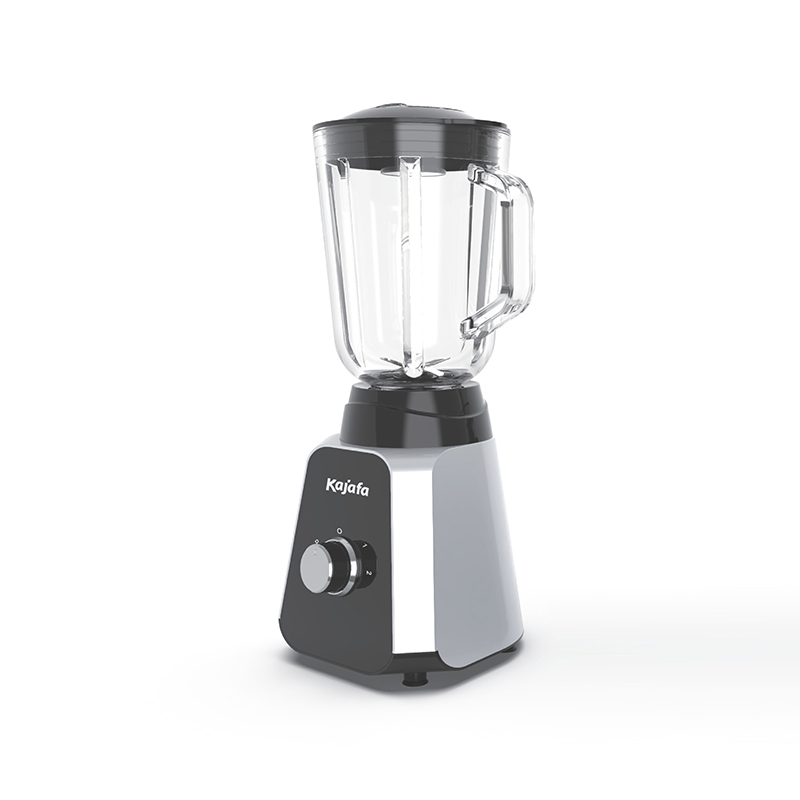
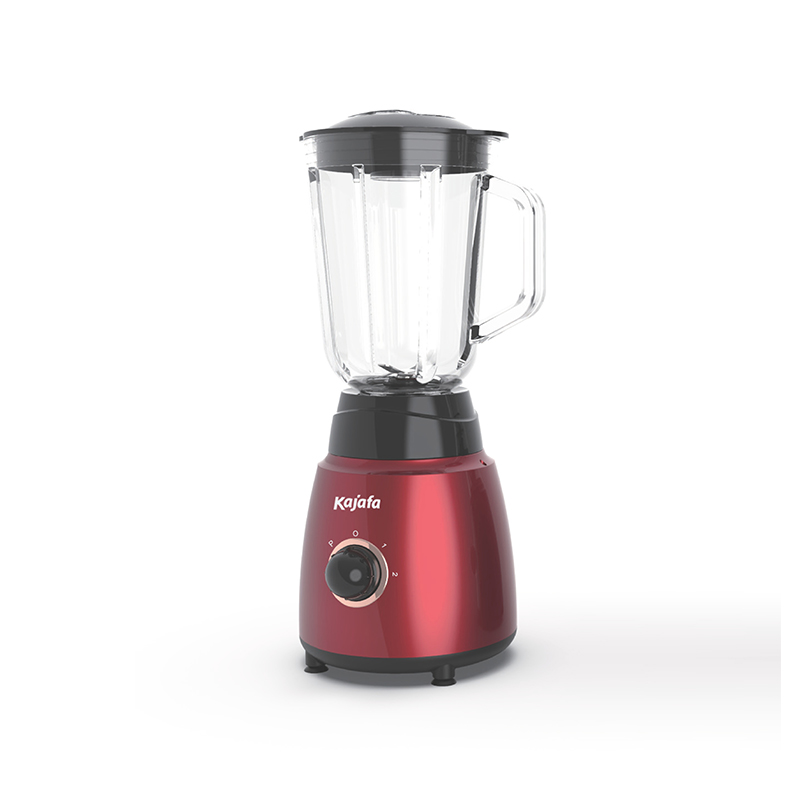
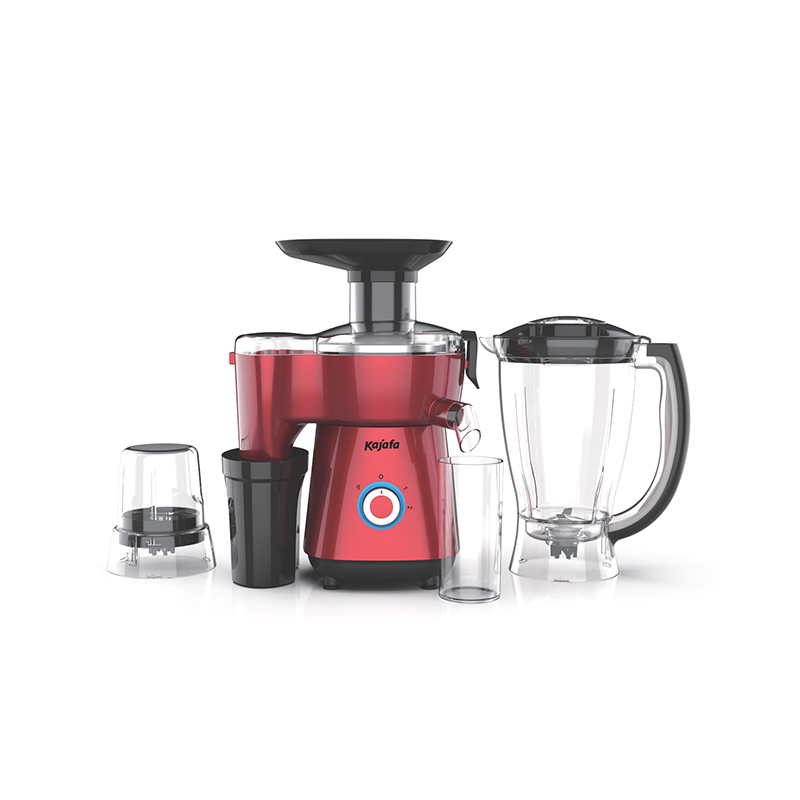
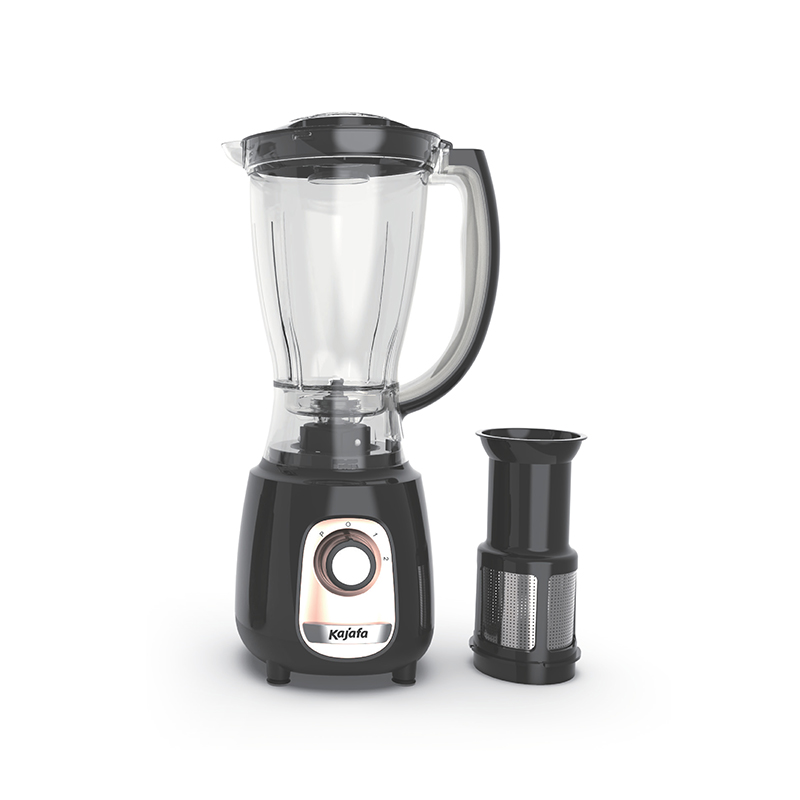
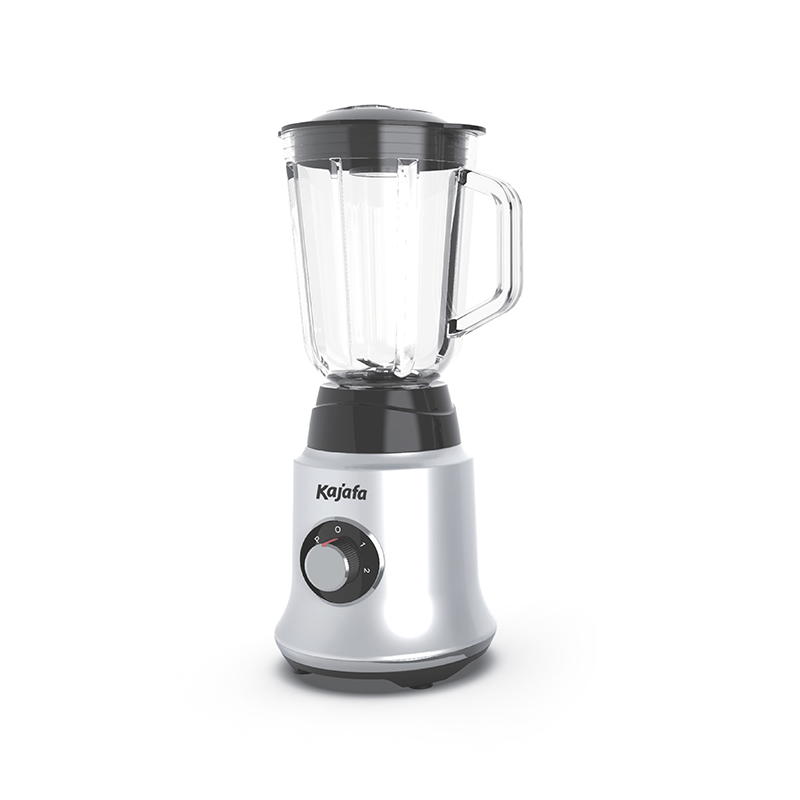
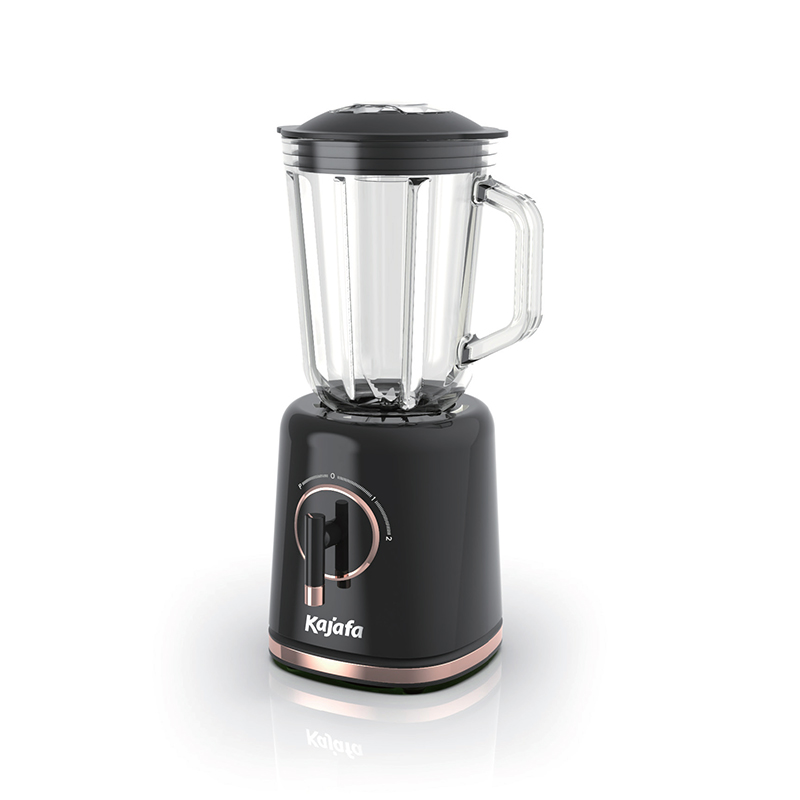
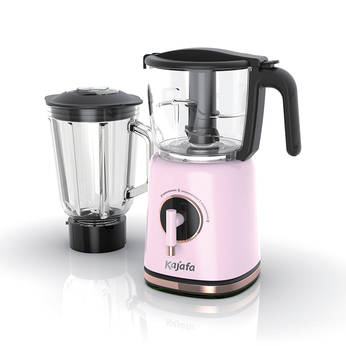
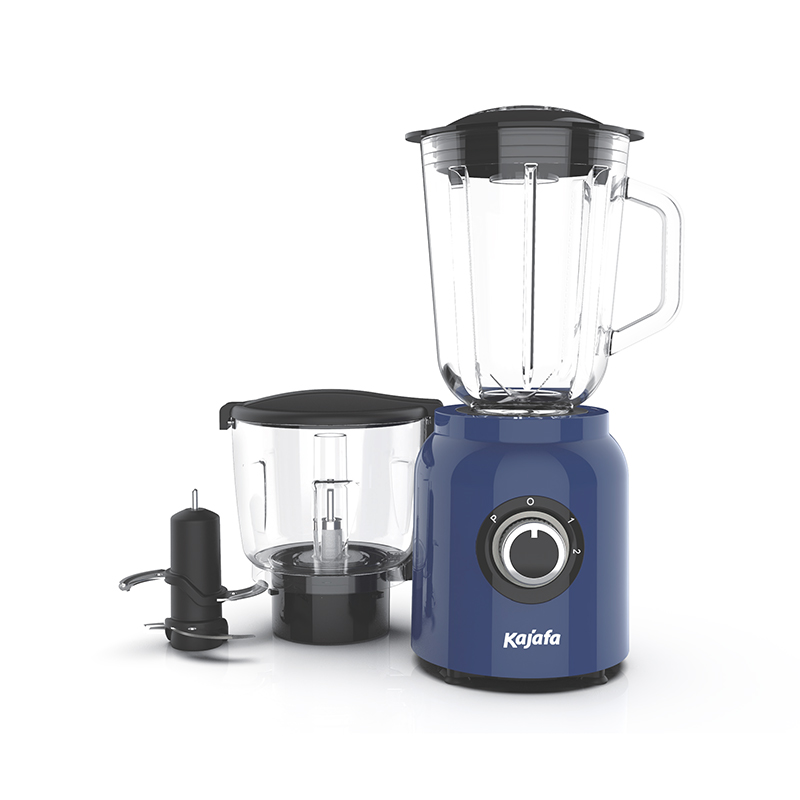
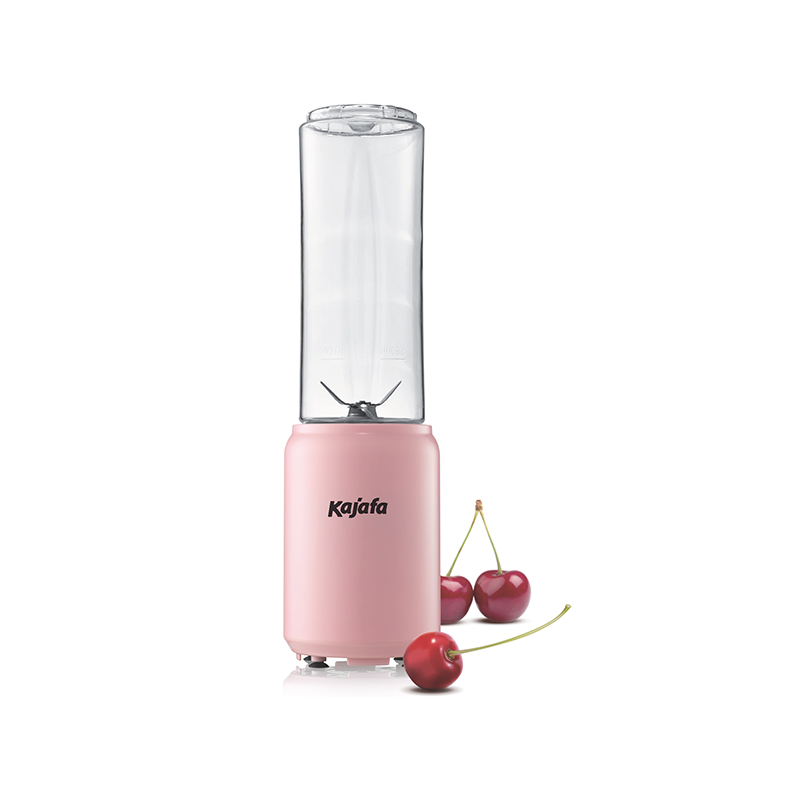
Instead of buying three separate machines, many kitchens do well with one versatile base unit. We build a multifunctional blender with a juice extractor attachment that switches between blended drinks and pulp-free juice without changing machines. For meal-prep-heavy weeks, the 3-in-1 food processor, blender and juice extractor combo handles slicing, blending, and fresh orange juice on the same base. And for smoothie mornings, a high-power countertop blender crushes frozen fruit and ice in under a minute.
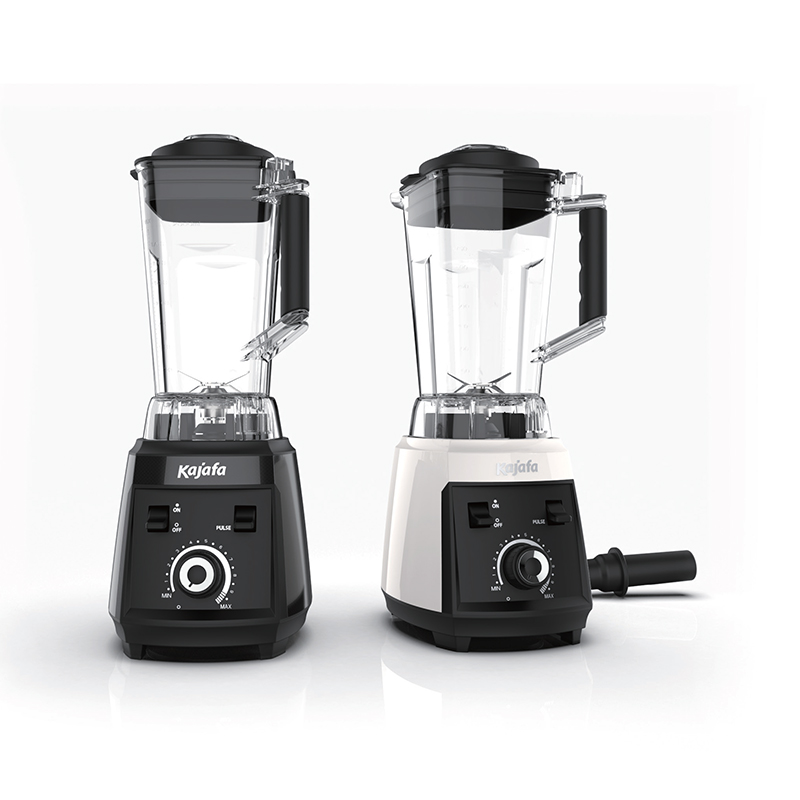 OEM/ODM CB1216 Blender, Countertop Blender ,Blender for kitchen Max 1200W High PNingbo Kajafa Electric Appliance Co.,Ltd is China oem/odm CB1216 Blender, Countertop Blender ,Blender for kitchen Max 1200W High Power Ho...View Product →
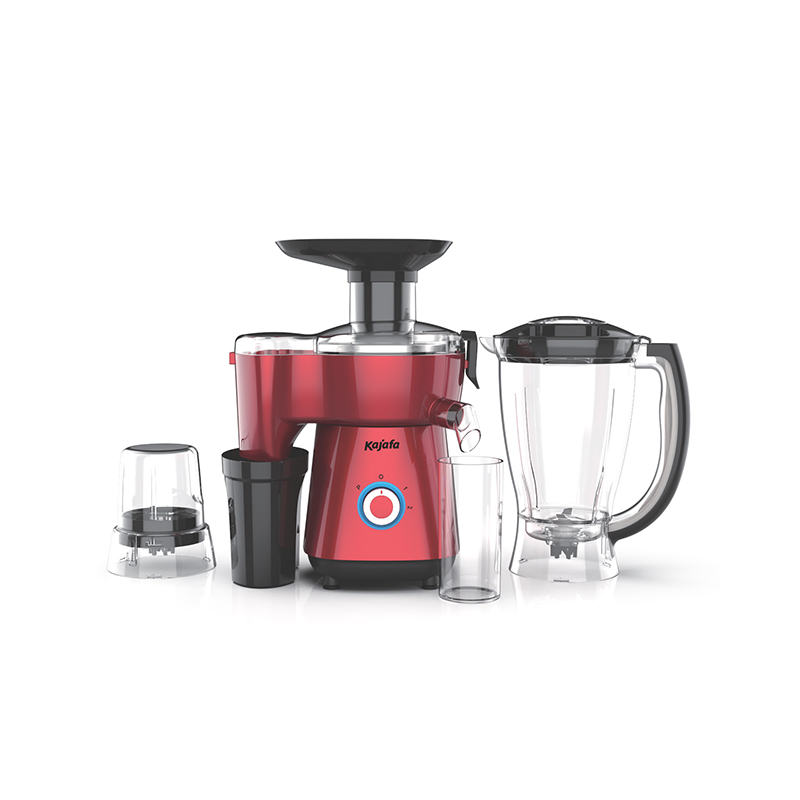 OEM/ODM BL468ABD 3-in-1 Food Processor Blender juice extractor,grind, mix jar SuNingbo Kajafa Electric Appliance Co.,Ltd is China oem/odm BL468ABD 3-in-1 Food Processor Blender juice extractor,grind, mix jar suppliers...View Product →
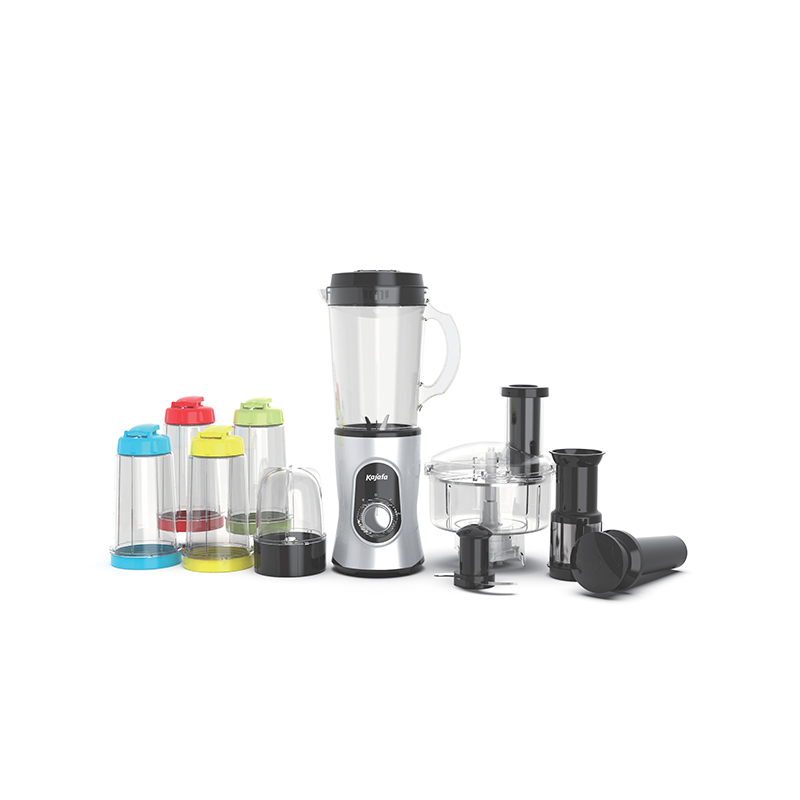 OEM/ODM BL268ABCEF-21PCS Multifunction Protable Blenders,Smoothie Maker with fooNingbo Kajafa Electric Appliance Co.,Ltd is China oem/odm BL268ABCEF-21PCS Multifunction Protable Blenders,Smoothie Maker with food proce...View Product →
You can also check our guide to modern citrus juicers if oranges and grapefruits are the main reason you bought the appliance. If you already own a food processor and are wondering whether it can replace a juicer, the practical answer is covered in our article on using a food processor for citrus juicing.
How Long Does Fresh Juice Keep?
The short answer is 48 to 72 hours in a sealed glass container in the refrigerator. Oxidation and light are the main causes of nutrient loss in fresh juice, so the way you store it matters as much as the recipe.
As a practical observation, centrifugal juice is usually best within 24 hours, while cold-press juice can stay drinkable closer to 72 hours because it is exposed to less heat and oxygen during extraction. Follow these storage steps to get the maximum shelf life from any of the recipes above.
- Refrigerate within 15 minutes of juicing. Do not leave the juice at room temperature while you prepare breakfast.
- Pour into glass jars instead of plastic bottles. Glass does not absorb odors or release flavor into the juice.
- Fill each jar to the top. Less air above the juice means slower oxidation and less color change.
- Keep the temperature at about 4 degrees Celsius. The back of the fridge is colder than the door shelf.
- Shake well before drinking, and pour only the amount you will drink into a separate glass.
The container also needs proper care between batches. A dirty sieve or blade dulls flavor across your next juice, so follow our juicer cleaning and maintenance guide to keep the parts residue-free.
Five Smart Uses for Leftover Pulp
A standard batch of any recipe above leaves behind between 80 and 150 grams of pulp, depending on how much fiber the produce contains. Instead of sending it down the drain, use it in one of these five ways.
- Veggie-burger binder. Beet and carrot pulp holds moisture in plant-based patties. Replace up to half the grated vegetables in your usual recipe with pulp.
- Smoothie thickener. Freeze pulp in ice cube trays and drop one cube into your next blender drink. It adds fiber without changing the flavor much.
- Pulp crackers. Mix pulp with flaxseed, a little olive oil, and salt, then spread it thin and bake until crisp. This works best with carrot, beet, and apple pulp.
- Soup thickener. Stir citrus-free pulp into vegetable soups in the last ten minutes of cooking. It softens and thickens the broth naturally.
- Compost or frozen stock. If you do not cook with it, add it to the compost pile or freeze it for a future vegetable stock base.
Nutrition: What the Numbers Actually Say
The World Health Organization recommendation still stands at at least 400 grams of fruit and vegetables per day, spread across five portions. Juice can help you reach that target, but it should not replace whole produce entirely, because chewing whole fruit and vegetables also delivers fiber that juice leaves behind.
The United Kingdom 5-a-Day guidance gives a useful rule: a 150 ml glass of unsweetened 100 percent juice counts as one portion, and it only counts once in the day no matter how many glasses you drink. Use that as the upper reference for how much juice to pour per meal.
The table below shows reference values for common single-ingredient juices, so you can see why a recipe based on carrot and orange is not nutritionally the same as one based on apple alone.
| Juice | Vitamin C | Vitamin A (RAE) | Potassium |
|---|---|---|---|
| Orange juice | 124 mg | 25 mcg | 496 mg |
| Carrot juice | 20 mg | 2,256 mcg | 689 mg |
| Tomato juice | 45 mg | 56 mcg | 556 mg |
| Apple juice | 2 mg | Trace | 250 mg |
The practical takeaway: carrot juice is far richer in vitamin A than apple juice, orange juice is the standout for vitamin C, and tomato juice is the best source of potassium among the four. If your meals already lack leafy vegetables, the green recipes in this article close part of that gap without the need for supplements.
Frequently Asked Questions
Is it okay to drink fresh juice every day?
Yes, as long as the base is mostly vegetables and the portion stays moderate. A 250 ml glass of pure orange juice contains about 25 grams of naturally occurring sugar, while the green and cucumber recipes in this article sit between 12 and 18 grams because the fruit is diluted. Treat juice as part of a meal and pair it with protein or nuts if you drink it on its own.
What is the 80/20 rule in juicing?
The 80/20 rule means 80 percent vegetables and 20 percent fruit by weight. It is a useful target for experienced juicers, but most beginners prefer 60/40 at first because it tastes sweeter. The recipes above start around 60/40 and move toward 80/20 as your palate adapts.
Do I need to peel fruit before juicing?
You must peel citrus, melon, and pineapple because their outer rinds contain bitter oils or thick wax-like skin. Keep the white pith of citrus if you tolerate it. Apples, pears, cucumbers, and carrots do not need peeling; wash and scrub them well before feeding them into the juicer.
Can I use a blender instead of a juicer?
You can, but the result is a smoothie, not a clear juice. A blender keeps the fiber, while a juicer removes it. If you want a clear drink from a blender, strain the mixture through a nut-milk bag. For daily convenience, a machine with a dedicated juice extractor attachment is faster than blending and straining by hand.
Why is there foam on top of my juice?
Foam is a mixture of air, insoluble plant fiber, and natural compounds called saponins. It appears more with centrifugal juicers and is not a sign of spoilage. Stir it back into the juice, skim it off, or simply drink the glass; the foam does not change the flavor significantly.
Can I freeze fresh juice?
Yes. Pour the juice into a freezer-safe glass jar, leave about two centimeters of headspace for expansion, and freeze for up to three months. Thaw it overnight in the refrigerator, shake well, and drink within 24 hours after thawing. Frozen storage slightly dulls the flavor, so freeze only the batches you cannot finish in 72 hours.