
 英语
英语 中文简体
中文简体

Content
- 1 Green Smoothies for Pregnancy: The Short Answer
- 2 Why Green Smoothies Work During Pregnancy
- 3 Trimester by Trimester: What Your Smoothie Should Focus On
- 4 The 5-Step Formula for a Balanced Pregnancy Green Smoothie
- 5 Food Safety and Portion Notes for Pregnancy Green Smoothies
- 6 How to Choose a Blender That Makes Daily Green Smoothies Practical
- 7 Frequently Asked Questions About Green Smoothies for Pregnancy
- 7.1 Is it safe to drink a green smoothie every day during pregnancy?
- 7.2 Can green smoothies help with morning sickness?
- 7.3 Which is better in pregnancy: spinach or kale?
- 7.4 How much fruit should go into a pregnancy green smoothie?
- 7.5 Do I need a high-speed blender specifically for pregnancy smoothies?
- 7.6 Can a green smoothie replace a meal during pregnancy?
Green Smoothies for Pregnancy: The Short Answer
Yes, green smoothies can be one of the most practical ways to support pregnancy nutrition, but only when the ingredients are safe and the blender is strong enough to break down fibrous leaves. A 300 ml serving made with 80 g of fresh spinach, half a banana, 120 ml of orange juice and 10 g of chia seeds covers roughly one-third of the 600 mcg DFE daily folate target for pregnancy, about 15% of the 27 mg daily iron target, and close to 8 g of fiber. These targets come from the widely cited public-health reference values of the World Health Organization and the U.S. Centers for Disease Control and Prevention.
The practical advantage of a blended drink during pregnancy is tolerance. Blood volume rises by roughly 40-50%, which increases the need for fluids, iron and several vitamins at exactly the time when appetite can be unpredictable. Chewing a large raw salad is genuinely difficult for many women in the first trimester, when nausea and food aversions peak. A cold, slightly sweet smoothie delivers the same leafy greens in a form that goes down quickly, and the blending process opens the cell walls of the leaves, which can make certain nutrients easier for the body to use.
This article explains the main benefits with the numbers behind them, trimester-specific priorities, a safe five-step smoothie formula, food-safety rules, and the blender features that determine whether you will actually drink one daily.
Why Green Smoothies Work During Pregnancy
The honest case for green smoothies in pregnancy is not about detoxing or superfoods. It is about covering measurable nutrient gaps without forcing yourself to eat large volumes of food.
Folate and vitamin B6
Folate supports neural tube development, and the recommended intake rises to 600 mcg DFE per day during pregnancy. Spinach provides roughly 190-200 mcg of folate per 100 g raw, so two cups in a smoothie together with orange or banana can cover a large share of the daily target. Vitamin B6 is also relevant in early pregnancy because it is the nutrient most commonly associated with nausea relief; bananas, avocado and spinach all contain it.
Iron paired with vitamin C
The daily iron target jumps to 27 mg because your blood volume expands and the placenta and baby are building their own supply. Plant-based iron absorbs less efficiently than animal iron, but vitamin C improves non-heme iron uptake. A smoothie naturally solves this: blend spinach with kiwi, orange or strawberries and the two nutrients arrive in the same glass at the same time.
Fiber and fluid for constipation
Constipation is one of the most common discomforts of pregnancy, made worse by progesterone slowing the gut and by iron supplements. Two cups of leafy greens, half a cup of fruit and a tablespoon of chia seeds add roughly 7-10 g of fiber to one drink. Pairing that fiber with 250-350 ml of liquid is exactly the combination that keeps things moving, because fiber without fluid can make constipation worse.
Calcium, magnesium and vitamin K
A 250 ml cup of pasteurized milk adds about 300 mg of calcium, around 30% of the 1000 mg daily target; fortified plant milks can be similar. Magnesium from spinach, avocado and chia seeds supports muscle relaxation and can help with sleep and leg cramps in later pregnancy. Vitamin K from kale and spinach plays a role in bone metabolism, and blending makes it easy to get these minerals in one serving.
None of these benefits require exotic ingredients. They come from ordinary produce, pasteurized dairy or plant milk, seeds and a functioning blender.
Trimester by Trimester: What Your Smoothie Should Focus On
The same formula works across all forty weeks, but the emphasis should shift as the baby grows. The table below summarizes a practical trimester-by-trimester focus based on standard pregnancy nutrition targets.
| Trimester | Primary focus | Best smoothie additions | Practical tip |
|---|---|---|---|
| First trimester (weeks 1-13) | Folate, vitamin B6, hydration | Spinach, banana, orange, ginger, avocado | Cold drinks are better tolerated than hot meals; keep portions small. |
| Second trimester (weeks 14-27) | Iron, calcium, fiber | Kale rotated with spinach, kiwi, citrus, Greek yogurt, chia seeds | Add a vitamin C fruit to every iron-containing smoothie. |
| Third trimester (weeks 28-40) | Magnesium, protein, steady energy | Hemp seeds, almond butter, dates, avocado, mint | Keep servings smaller if fullness or reflux is an issue; add protein to each one. |
Reference values for the table: WHO and CDC public-health targets for folate (600 mcg DFE/day), iron (27 mg/day) and calcium (1000 mg/day).
The 5-Step Formula for a Balanced Pregnancy Green Smoothie
Instead of memorizing single recipes, learn this five-step formula. It produces a balanced smoothie, and you can change any ingredient based on what you have in the fridge.
- Liquid base (250-350 ml): pasteurized cow's milk, unsweetened soy or oat milk, coconut water, or plain yogurt thinned with water. Skip unpasteurized juice and raw milk.
- Leafy greens (1-2 cups): spinach, kale with the woody stems removed, Swiss chard, romaine, or a mix. Rotate greens through the week so you do not rely on only one.
- Fruit (1/2 to 1 cup): banana, mango, pineapple, kiwi, berries, orange, or frozen peaches. Frozen fruit gives thickness and coldness without extra ice.
- Protein and healthy fat (1-2 tablespoons or 1/2 cup): Greek yogurt, silken tofu, hemp seeds, chia seeds, almond butter, or a quarter of an avocado.
- Optional boosters: 1-2 cm of fresh ginger for nausea, 1 teaspoon of ground flaxseed for omega-3s, 2-3 dates for sweetness, or a squeeze of lemon for extra vitamin C.
Example: 5-Minute Citrus Spinach Smoothie
- Add 250 ml of pasteurized milk, 2 large handfuls of washed spinach, half a banana, half a peeled orange, 1 tablespoon of chia seeds and a 1 cm piece of ginger to the blender.
- Start with 2-3 short pulses, then blend for 30-45 seconds until the greens are fully incorporated.
- Add 1-2 tablespoons of water if the texture is too thick, then pour and drink within a few hours. Store in the fridge in a sealed jar if you make it ahead.
This example provides roughly 200-250 kcal, 8-10 g of protein from the milk and chia, and a meaningful chunk of your daily folate, vitamin C and fiber. That makes it a snack, not a full meal.
Food Safety and Portion Notes for Pregnancy Green Smoothies
Green smoothies are safe in pregnancy when you handle them like any other raw produce. These are the rules that matter.
- Wash all produce under running water before blending, including leafy greens. Even bagged greens labeled pre-washed benefit from another rinse at home, because bacteria can cling to leaf crevices.
- Use pasteurized dairy and pasteurized juices only. Unpasteurized or cold-pressed raw juices and raw milk are not recommended during pregnancy.
- Avoid adding raw sprouts. Sprouts can harbor bacteria that is difficult to wash off completely, so they are not worth the risk in a smoothie.
- Rotate spinach and kale rather than using one green exclusively. Spinach is higher in oxalates that can bind calcium, while kale is very high in vitamin K; alternating them keeps intake balanced.
- Keep the serving at 300-400 ml. A giant smoothie easily turns into a high-sugar drink, so treat fruit as a measured ingredient, not an open container.
- Do not rely on a greens-only smoothie as a meal. Without protein and fat, it will raise blood sugar quickly and leave you hungry soon after.
If you have a medical condition such as gestational diabetes or a thyroid issue, keep these portions in mind and discuss your daily intake with your care provider. The general guidance above applies to uncomplicated pregnancies.
How to Choose a Blender That Makes Daily Green Smoothies Practical
The overlooked variable in most green smoothie advice is the blender itself. A low-powered machine handles a banana and spinach shake, but it struggles with kale, frozen fruit and stems, leaving fibrous bits floating in your glass. That texture will kill the habit faster than any recipe failure. Choose based on four things.
Motor power: what wattage actually does
For soft leaves and frozen banana, 300-500 W is enough. Once you add kale, ice or large frozen chunks, you want 700 W or more. High-powered 1000-1200 W models crush stems and seeds in 20-30 seconds and deliver a silky texture instead of a chunky one. If you plan to drink a green smoothie most mornings, a 700 W countertop blender with a 1.5 L glass jar and pulse function is a sensible daily base. For tougher greens and family-size batches, a 1200 W high-speed blender with a 2 L jar shortens blending time noticeably. Not sure which wattage fits your habit? Read more about matching motor power to leafy green loads.
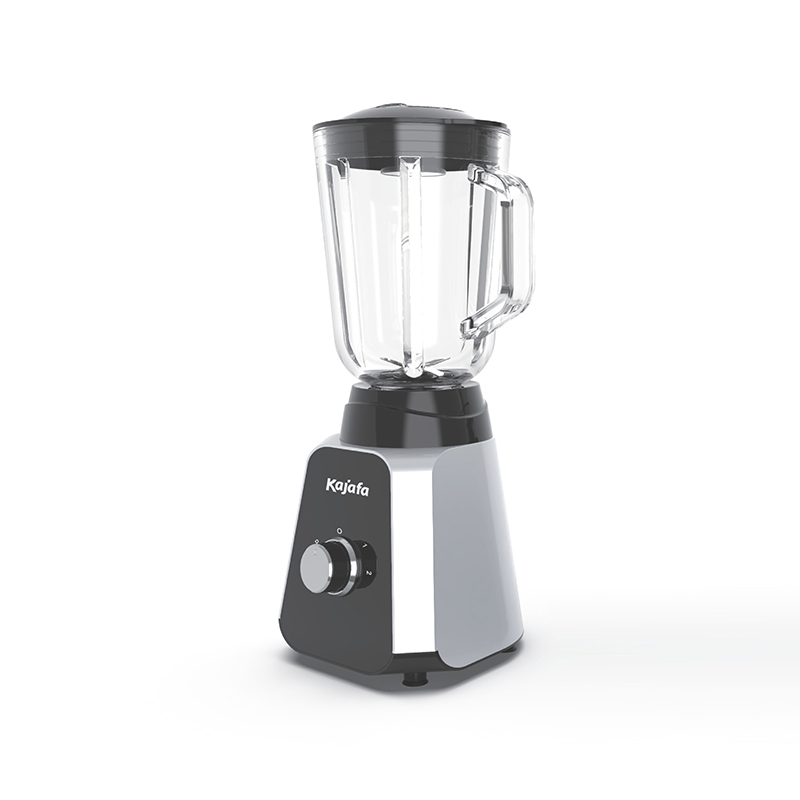
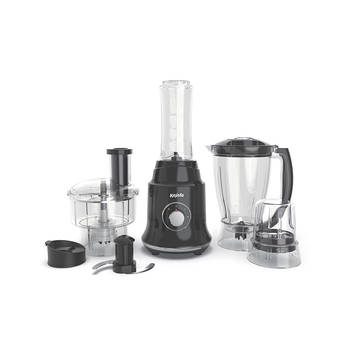
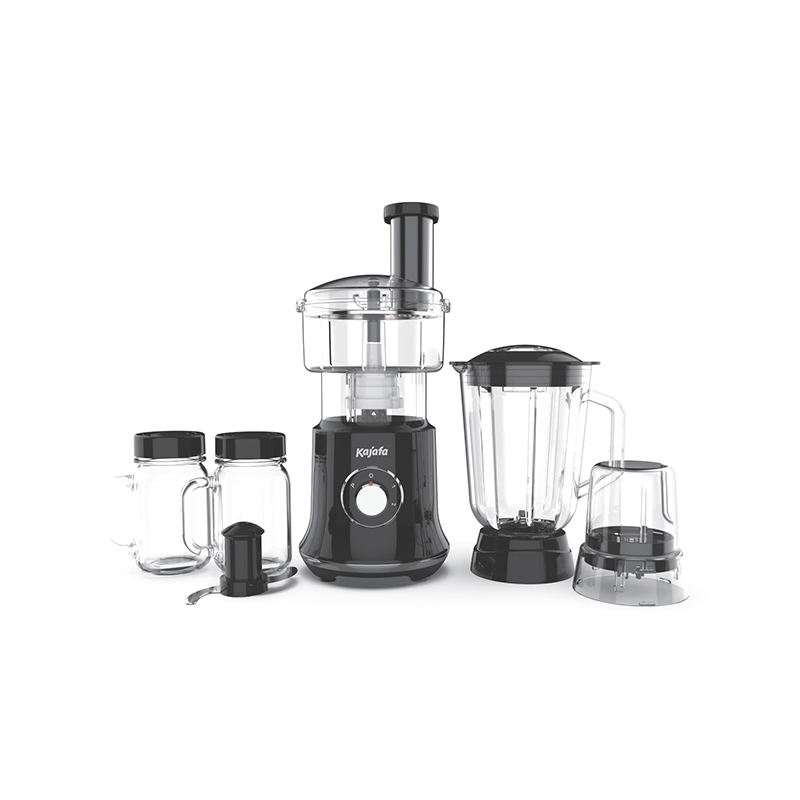
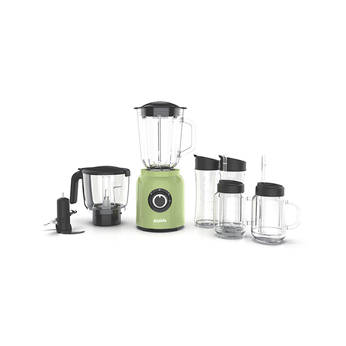
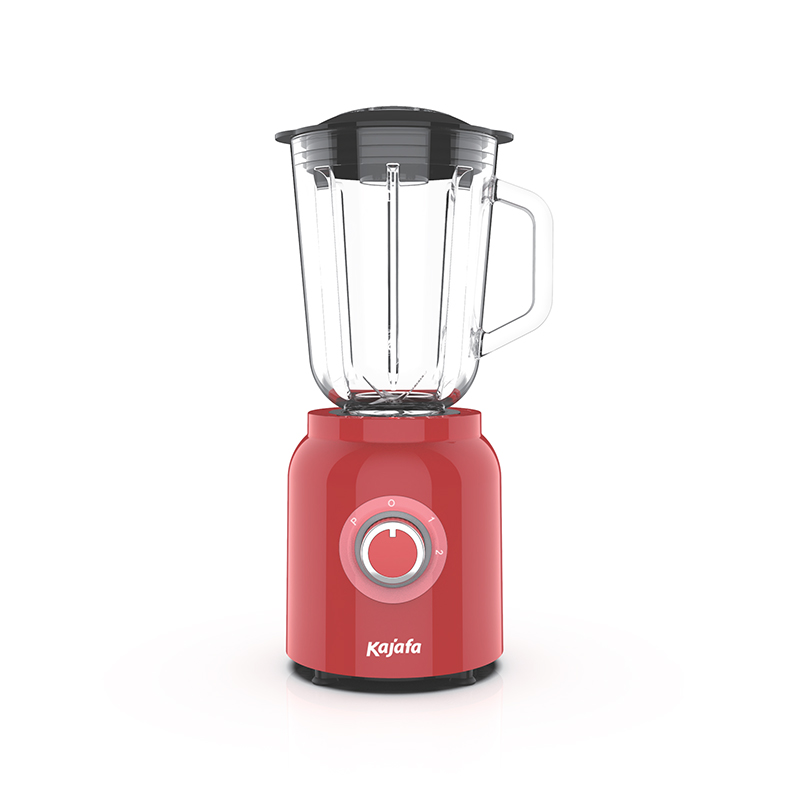
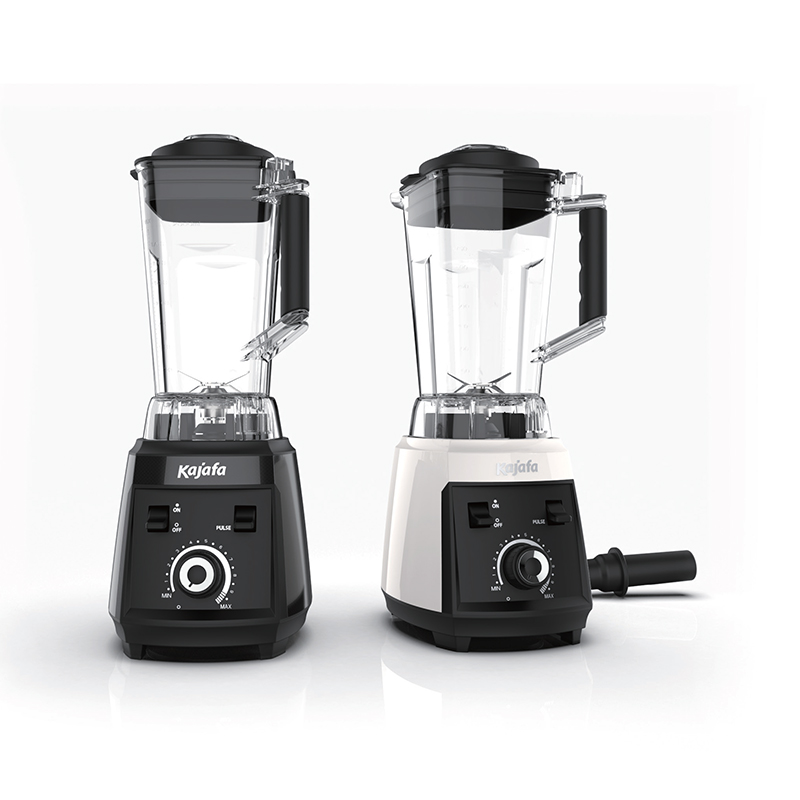 OEM/ODM CB1216 Blender, Countertop Blender ,Blender for kitchen Max 1200W High PNingbo Kajafa Electric Appliance Co.,Ltd is China oem/odm CB1216 Blender, Countertop Blender ,Blender for kitchen Max 1200W High Power Ho...View Product →
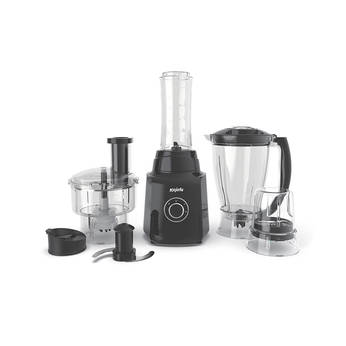
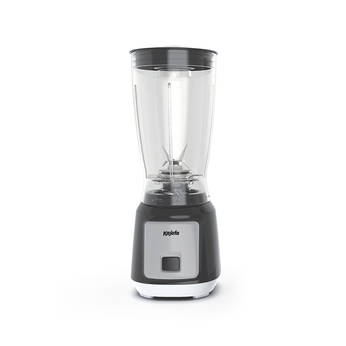
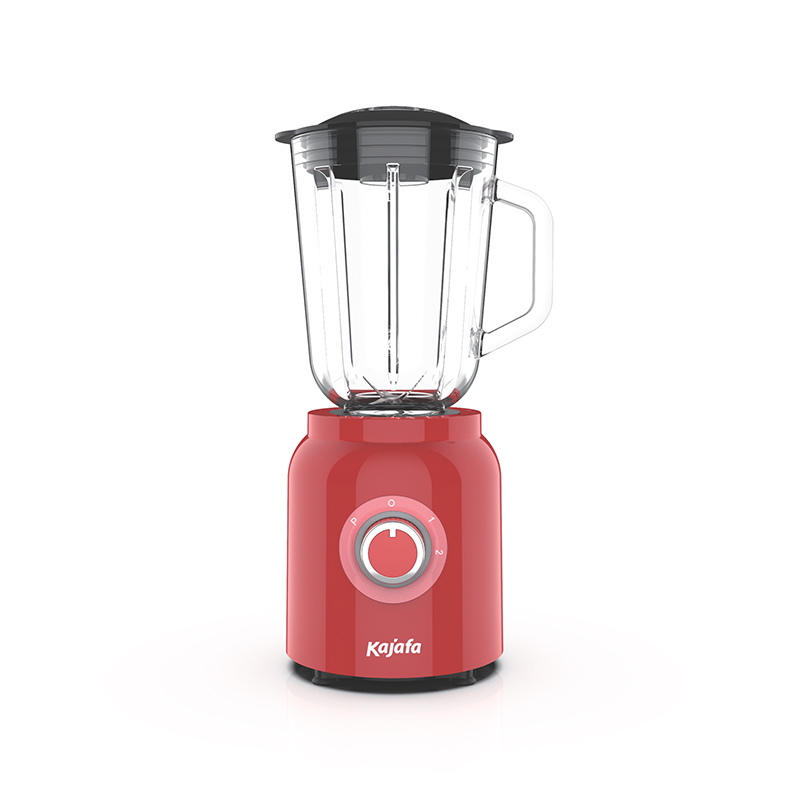 OEM/ODM BL488B Countertop Blender, 700W Smoothie Blender, with 2 Adjustable SpeeNingbo Kajafa Electric Appliance Co.,Ltd is China oem/odm BL488B Countertop Blender, 700W Smoothie Blender, with 2 Adjustable Speed and P...View Product →
Jar capacity and material
A 1-1.5 L jar is right for single or double servings; a 2 L jar suits batch prep. Glass is heavier but does not hold onto odors, while BPA-free plastic is lighter and less dangerous if it slips from your hands in a tired-pregnant-morning way. A wide mouth helps, because stuffing kale leaves into a narrow bottle is frustrating. General countertop blender buying guidance covers these details more thoroughly if you want a full checklist.
Blade design and pulse function
Four to six stainless-steel blades with a slight vertical offset circulate ingredients better than a single flat blade. Pulse is the feature you will use most: a few short bursts pull the leafy greens down to the blades before you run a continuous blend. This prevents stringy pockets and keeps the drink smooth without over-processing.
Cleaning and convenience
A removable, dishwasher-safe jar and blade assembly makes daily use realistic. Rinse the jar immediately after pouring, or fill it halfway with warm water, add a drop of dish soap, and run the blender for 10 seconds. Check the rubber gasket occasionally, since a leaking base is the most common failure point. For quick single servings, a portable personal blender with four blades and a travel cup covers a smoothie before work or after a prenatal class, and it doubles as the drinking bottle. There is also evidence that preparation method influences nutrient retention; countertop blenders can help preserve nutrients in fruits and vegetables when used correctly, so blending times and blade speed do matter beyond texture.
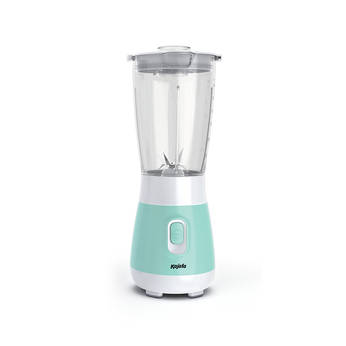
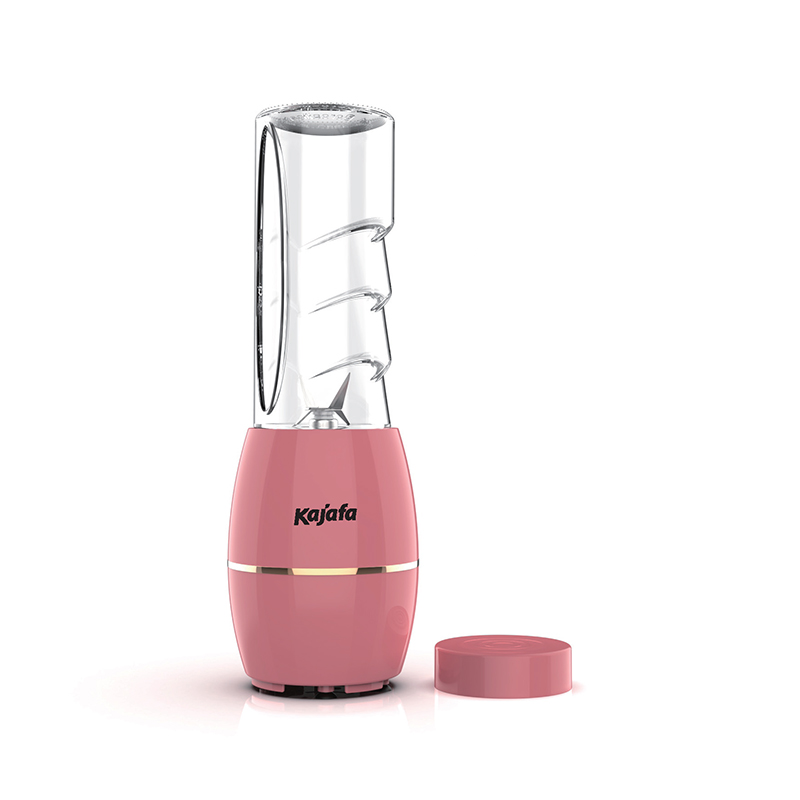
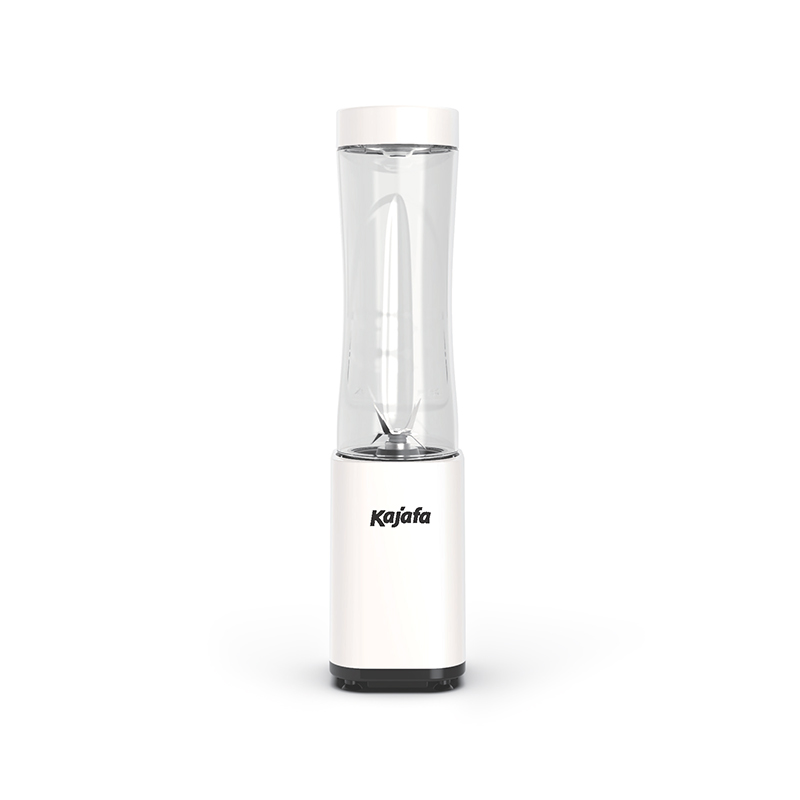 OEM/ODM BL3302B-P1 Portable Blender,Personal Mixer for Smoothie and Shakes, MiniNingbo Kajafa Electric Appliance Co.,Ltd is China oem/odm BL3302B-P1 Portable Blender,Personal Mixer for Smoothie and Shakes, Mini Blende...View Product →
Frequently Asked Questions About Green Smoothies for Pregnancy
Is it safe to drink a green smoothie every day during pregnancy?
Yes, for most women, a daily 300-400 ml serving made with washed produce and pasteurized liquid is safe and useful. It helps you cover folate, fiber and fluid targets. Rotate the greens, keep fruit to about one cup per serving, and always include a protein or fat source so the drink is balanced rather than sugar-heavy.
Can green smoothies help with morning sickness?
They help some women, not all. Cold drinks are usually better tolerated than warm meals, and a small banana-spinach-ginger smoothie provides vitamin B6, fluids and a little natural sugar. Start with 150-200 ml, sip slowly, and keep the smoothie in the fridge so it is ready when your stomach settles.
Which is better in pregnancy: spinach or kale?
Both work. Spinach is milder and blends into a smoother texture, while kale has more fiber and vitamin K but needs a stronger blender, around 700 W or more. Rotating them across the week gives you a broader nutrient range, and neither is problematic in normal smoothie portions.
How much fruit should go into a pregnancy green smoothie?
About half a cup to one cup per serving is a reasonable range. That gives natural sweetness and vitamin C without making the drink a dessert. If you are tracking sugar or weight gain, measure the fruit, boost the greens, and use Greek yogurt or nut butter for satiety.
Do I need a high-speed blender specifically for pregnancy smoothies?
Not necessarily. A 500-700 W model with a pulse function and a removable jar handles spinach and frozen banana without issues. Choose 1000-1200 W if you plan kale-heavy mixes or large batches. The real test is texture: if the greens are fully broken down, your blender is enough.
Can a green smoothie replace a meal during pregnancy?
Only if it contains protein, healthy fat and enough calories, around 250-400 kcal. A fruit-and-greens smoothie alone will not keep you satisfied for long. Use it as a complement to meals most days, and reserve the complete-meal version for genuinely busy mornings.