
 英语
英语 中文简体
中文简体

Content
- 1 Why cucumber deserves a permanent spot in your smoothie rotation
- 2 The master recipe: tropical cucumber smoothie
- 3 Seven cucumber smoothie variations that never taste the same
- 4 Which blender settings deliver the smoothest cucumber consistency
- 5 Seven pro techniques for a better cucumber smoothie
- 6 How to meal-prep cucumber smoothies for the week
- 7 Frequently asked questions about cucumber smoothies
If you want one reliable cucumber smoothie that works on the first try, build it with one part cucumber, one part frozen sweet fruit, and one part liquid, then blend for 45 to 60 seconds. Concretely, that ratio looks like 200 g of English cucumber with the skin on, one frozen banana, 150 g of frozen pineapple, the juice and zest of half a lime, a small handful of baby spinach, and 200 ml of coconut water. It yields about 500 ml of a creamy, mildly sweet smoothie that tastes closer to a tropical dessert than to a green drink.
This base formula eliminates the three most common cucumber smoothie failures — bland taste, watery texture, and dull color — before they happen. Cucumber contributes the clean, hydrating backbone; banana creates body and creaminess; pineapple adds natural sweetness with enough acidity to keep the drink bright; and spinach deepens the green color without changing the flavor. Once you understand that balance, every variation later in this guide becomes a two-minute substitution, not a risky experiment.
Why cucumber deserves a permanent spot in your smoothie rotation
Cucumber is rarely the star of your glass; it is the supporting ingredient that silently improves hydration, mouthfeel, and the calorie ledger. A raw cucumber consists of roughly 95 percent water, which is exactly why cucumber smoothies feel refreshing rather than heavy. That same water content is also why a carelessly built cucumber smoothie turns out thin and disappointing.
| Nutrient | Value per 100 g | Why it matters for smoothies |
|---|---|---|
| Water | 95.2 g | Light texture and hydration without extra calories |
| Energy | 15 kcal | Lets you add nutrient-dense fruit without blowing up the calorie count |
| Carbohydrate | 3.6 g | Gentle on blood sugar compared with bananas or mangoes |
| Fiber | 0.5 g | Supports digestion, especially when you leave the skin on |
| Total sugars | 1.7 g | Keeps overall smoothie sweetness easy to control |
| Vitamin K | 16.4 mcg | Contributes to daily vitamin K intake |
| Potassium | 147 mg | Balances sodium and supports muscle function |
| Vitamin C | 2.8 mg | Adds a small antioxidant boost to your morning glass |
Source: U.S. Department of Agriculture, FoodData Central, "Cucumber, with peel, raw" entry.
What the numbers mean for your blender cup
Because cucumber is 95 percent water and only 15 kcal per 100 g, you can use a generous portion without turning your smoothie into a dessert. Compare that with a medium banana at roughly 105 kcal or a cup of pineapple at about 74 kcal; the cucumber is essentially a free base that dilutes sweetness and brings the whole glass down in calories. The most valuable part is the skin, which holds much of the fiber and a solid share of vitamin K. If you wash the cucumber thoroughly, the skin can stay on for every recipe in this guide.
The Centers for Disease Control and Prevention (CDC) recommends roughly 1.5 to 2 cups of fruit and 2 to 3 cups of vegetables per day for most adults. A single cucumber smoothie with spinach, cucumber, banana, and pineapple covers about one and a half of those servings.
- Hydration: A cucumber smoothie with coconut water delivers around 350 ml of water in one glass, close to 12 percent of the daily fluid target for an average adult woman (about 2.7 L total water per day).
- Low sugar load: The 1.7 g of sugar per 100 g of cucumber means the final drink's sweetness comes almost entirely from fruit you control.
- Gut comfort: Cucumber is gentle on the stomach, which is why cucumber smoothies are popular for sensitive digestion and post-workout refreshment.
If you want to keep micronutrients intact during blending, read how countertop blenders preserve nutrients in fruits and vegetables — blade speed and blending time have a measurable impact on oxidation and nutrient loss.
The master recipe: tropical cucumber smoothie
The cucumber-pineapple-banana trio dominates smoothie searches for a reason: the three ingredients complement one another's texture and flavor so well that almost nothing else is required. This is the version we recommend memorizing first because it is forgiving enough for beginners and fast enough for busy mornings.
| Ingredient | Amount | What it does in the glass |
|---|---|---|
| English cucumber | 200 g, skin on, chopped | Water base plus fresh flavor |
| Frozen banana | 1 medium (about 100 g) | Creamy body plus natural sweetness |
| Frozen pineapple | 150 g | Sweetness plus tropical acidity |
| Lime | Half, juice and zest | Balances sweetness, brightens color |
| Baby spinach | 30 g (two big handfuls) | Green color plus micronutrients without flavor |
| Coconut water | 200 ml | Liquid carrier plus subtle sweetness |
| Ice cubes | 4 to 6 (optional) | Temperature control plus thicker texture |
Blending steps that produce the best texture
- Pour the coconut water into the blender first so the blades have liquid immediately.
- Add the spinach, chopped cucumber, and lime juice.
- Place the frozen banana and frozen pineapple on top of the greens.
- Blend on low for 20 seconds, then switch to high for 30 to 40 seconds.
- If the blender struggles with the frozen fruit, add 30 ml more liquid; never add more than 60 ml at once.
- Taste, add the lime zest, then pulse three or four times for a fluffy finish.
- Serve immediately, or pour into a sealed jar and refrigerate for up to 24 hours.
Seven cucumber smoothie variations that never taste the same
Once the base ratio clicks, the recipe becomes a template. Keep the cucumber constant and swap the sweet fruit, liquid, and aromatics in these seven directions. Each version takes the same five minutes and uses the same blending sequence.
| Variation | Swap-ins | Flavor profile | Best moment |
|---|---|---|---|
| Cucumber-Melon-Mint | Honeydew melon, mint leaves, lime | Sweet, crisp, cooling | Midday hydration or post-workout |
| Berry-Cucumber | Frozen blueberries, low-sugar yogurt, honey | Tart, creamy, antioxidant-rich | Breakfast or snack |
| Green Apple-Ginger | Green apple, fresh ginger, lemon, water | Tart, zingy, bright | Morning reset |
| Grapefruit Detox | Grapefruit segments, celery, ginger | Bitter-green, fresh | Low-calorie afternoon pick-me-up |
| Protein Cucumber | Vanilla protein powder, almond butter, oat milk | Rich, satiating | Post-workout or meal replacement |
| Avocado-Cucumber | Quarter avocado, pear, spinach, lime | Ultra-creamy, gentle | Full-meal smoothie |
| Spicy Pineapple-Cucumber | One seeded jalapeño slice, pineapple, lime | Sweet-heat | Weekend brunch |
For the berry version, use reduced-sugar yogurt instead of fruit juice to keep the drink thick. For the grapefruit version, peel the segments first, because the pith and membranes add an unpleasant bitterness that no cucumber can mask.
Which blender settings deliver the smoothest cucumber consistency
Cucumber itself is soft enough to blend in a 300 W mini blender. The real challenge is the frozen banana and pineapple that make the smoothie creamy. If a blender cannot break down frozen fruit quickly, you end up chewing ice chips buried in cucumber-flavored water.
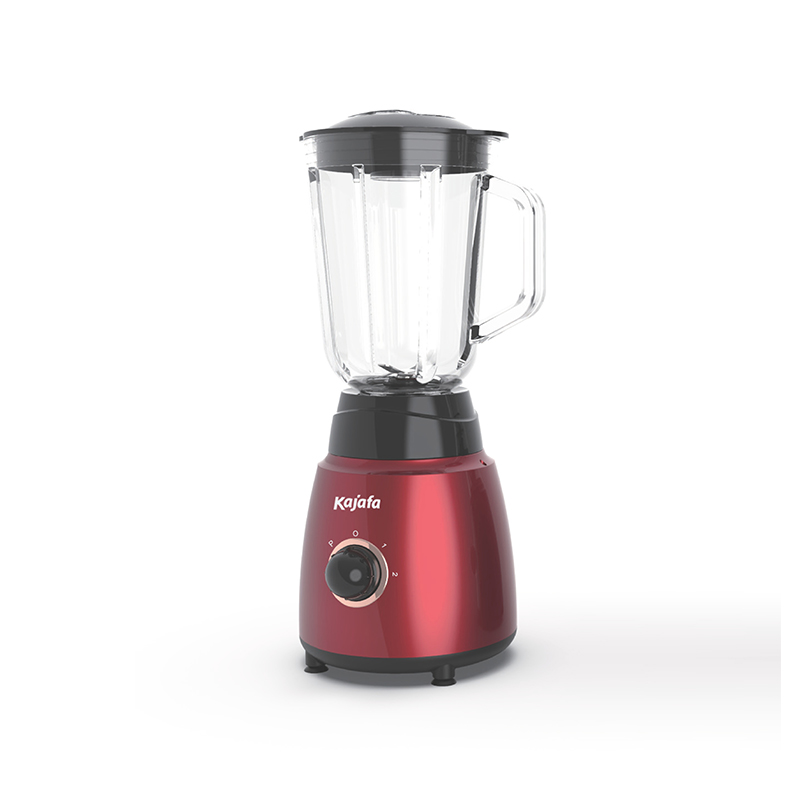
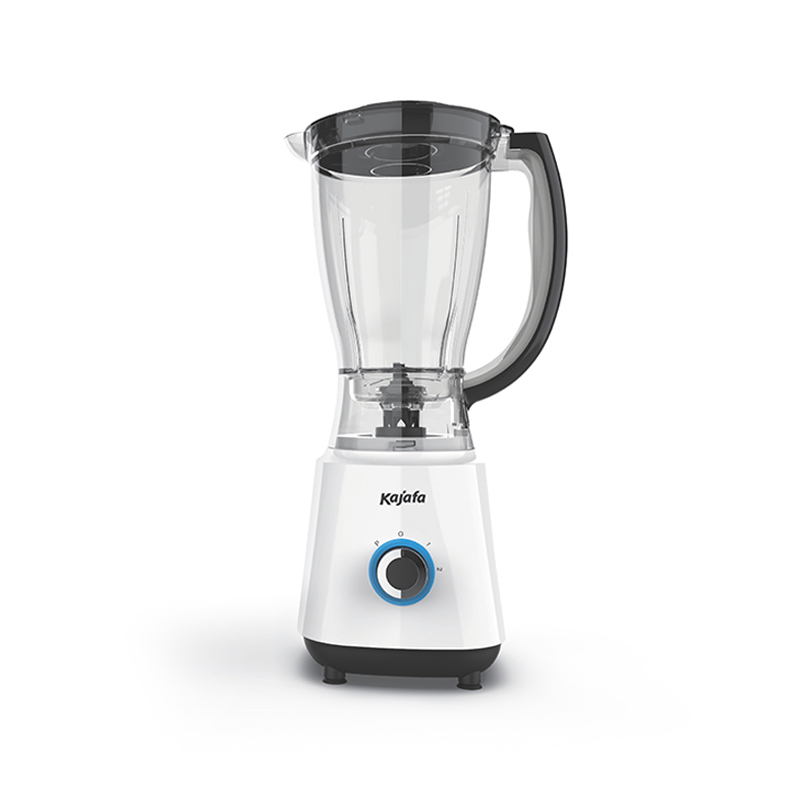
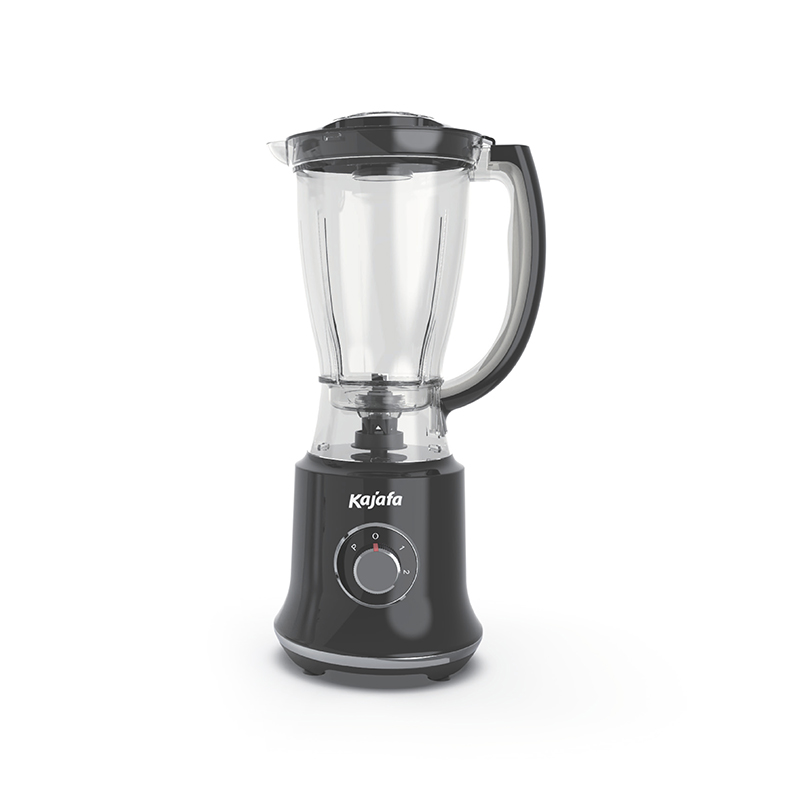
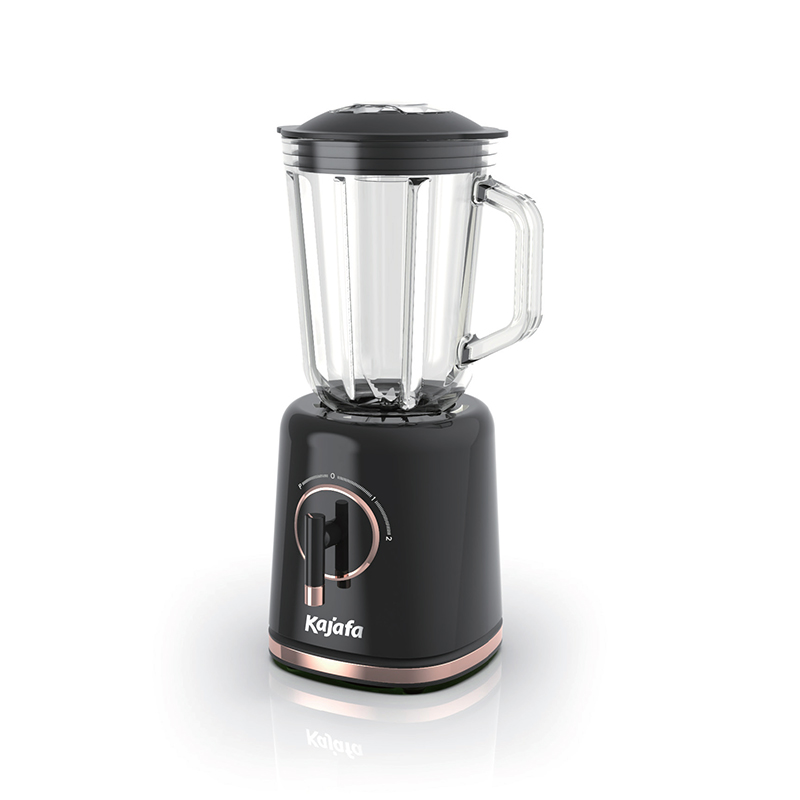
For a family-sized batch of 1 to 1.5 L, look for a motor in the 500 to 700 W range, a jar capacity of at least 1.5 L, and blades made from 304 stainless steel that keep an edge across many cycles. A 700 W countertop blender with a 1.5 L glass jar fits this job well because the glass jar handles frozen fruit without absorbing odors, and the two-speed plus pulse panel gives you the low-high-pulse control that cucumber smoothies need.
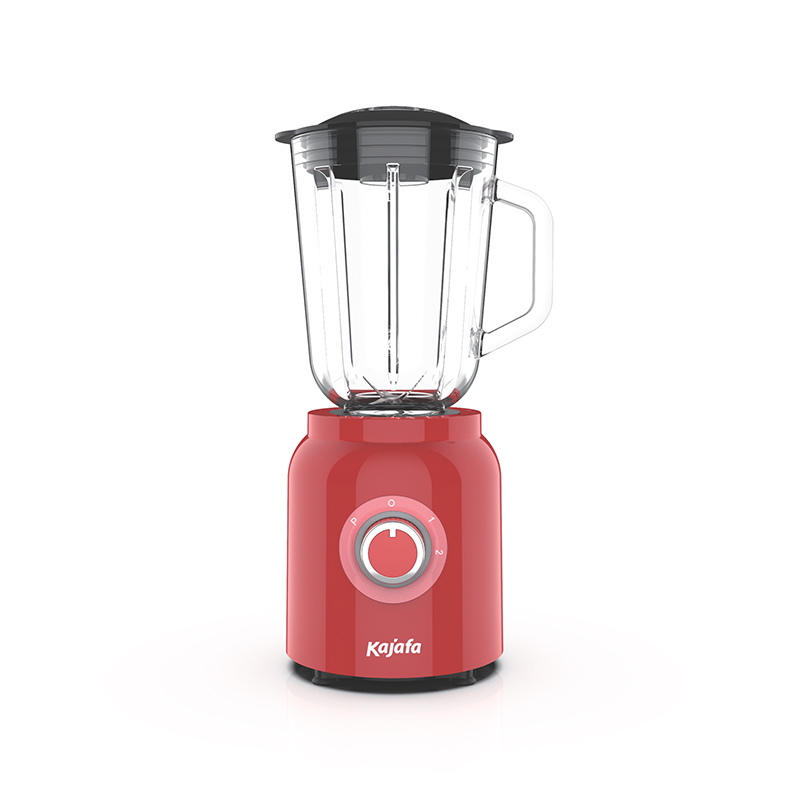 OEM/ODM BL488B Countertop Blender, 700W Smoothie Blender, with 2 Adjustable SpeeNingbo Kajafa Electric Appliance Co.,Ltd is China oem/odm BL488B Countertop Blender, 700W Smoothie Blender, with 2 Adjustable Speed and P...View Product →
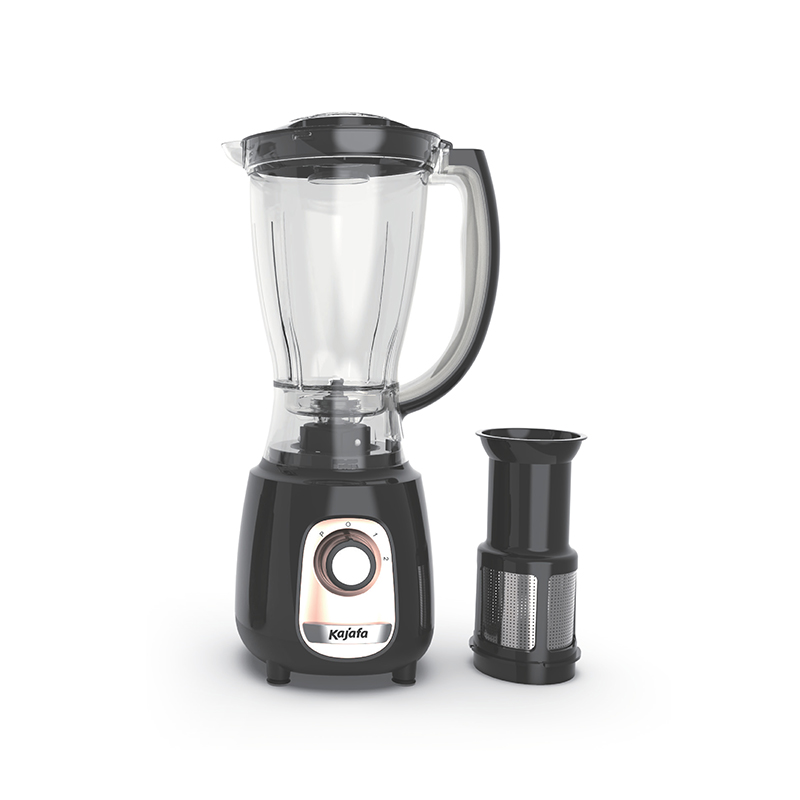
When you regularly blend ice cubes or very dense frozen fruit, upgrade to a 1200 W high-speed blender designed for frozen ingredients, which also handles crushed ice, soy milk, and larger quantities in one pass.
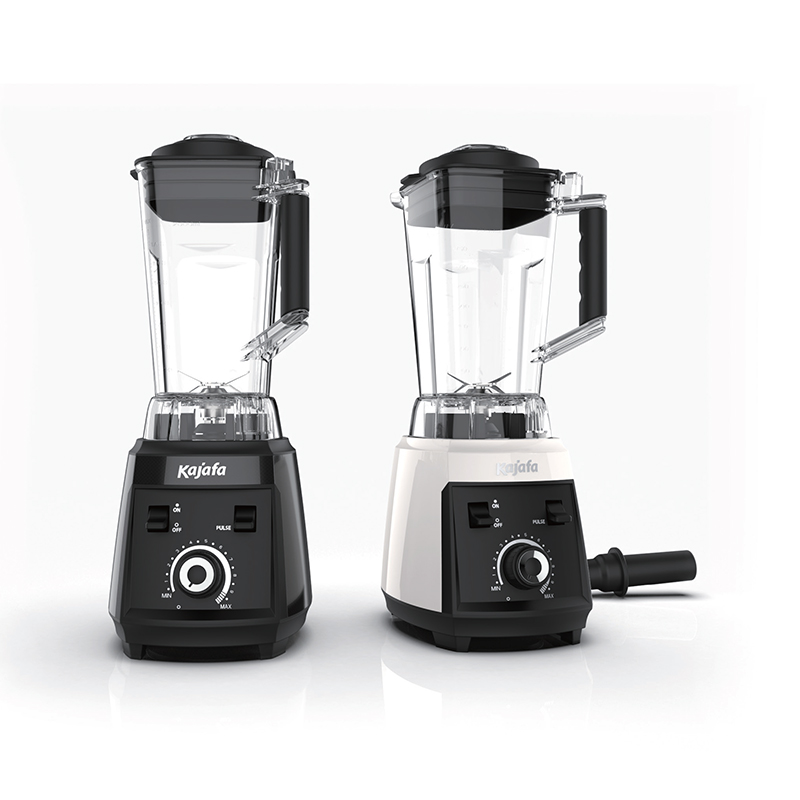 OEM/ODM CB1216 Blender, Countertop Blender ,Blender for kitchen Max 1200W High PNingbo Kajafa Electric Appliance Co.,Ltd is China oem/odm CB1216 Blender, Countertop Blender ,Blender for kitchen Max 1200W High Power Ho...View Product →
| Priority | Recommended range | Why |
|---|---|---|
| Motor power | 500 to 700 W for home; 1000 W and above for heavy frozen use | Frozen banana, pineapple, and ice all need sustained torque |
| Jar capacity | 1.5 L for family batches; 0.6 to 1.0 L for single servings | Determines portion flexibility and whether you can double recipes |
| Jar material | Glass or BPA-free plastic | Glass resists odors and staining; lighter plastic is easier to carry |
You can also judge real-world performance from the ice-breaking ability of countertop blenders, since frozen fruit behaves similarly to ice in the jar. The key is not just wattage but how the blade geometry pulls ingredients down toward the cutting zone.
Seven pro techniques for a better cucumber smoothie
1. Keep the skin, but manage it
The skin adds fiber and gives the smoothie a slightly deeper green color. If the peel tastes bitter, switch from a regular field cucumber to an English cucumber. English cucumbers have a thinner, nearly seedless flesh and a peel that rarely turns bitter, which is why every recipe in this guide specifies English cucumber.
2. Seed before blending for a thinner texture
When you are using a large field cucumber with mature seeds, halve it lengthwise and scoop out the seeds with a spoon. This removes a good amount of excess water and reduces the sometimes strong vegetal taste, leaving a cleaner cucumber flavor.
3. Layer liquid at the bottom
Always pour the liquid into the jar before the greens and fruit. Liquid at the bottom lets the blades engage quickly, keeps spinach from flying up to the lid, and reduces the number of times you need to stop and scrape the sides.
4. Balance sweetness with something sour
Half a lime or lemon lifts every fruit flavor in the drink. If your cucumber smoothie tastes flat, the problem is usually not enough acidity, not too little sugar. For extra sweetness, add half a soft Medjool date or one teaspoon of honey rather than a second banana.
5. Stop blending before you think you should
Over-blending heats the mixture and accelerates oxidation, which dulls both the color and the fresh taste. Forty-five to sixty seconds is enough for a standard countertop blender. Use short pulses at the end to distribute any remaining chunks instead of running the motor continuously.
6. Use mostly frozen fruit, not ice
Frozen banana and frozen pineapple keep the drink thick. Ice dilutes the smoothie as it melts and can create a slushy texture that separates within minutes. If you need extra coldness, freeze the coconut water in an ice cube tray and blend those cubes instead.
7. Add chia or flax seeds after blending
Stir in one teaspoon of chia seeds after blending and let the smoothie rest for five minutes. The seeds bloom into a gel that thickens the drink naturally and adds about 2 grams of fiber per teaspoon, without changing the flavor.
How to meal-prep cucumber smoothies for the week
Cucumber smoothies are one of the easiest drinks to batch in advance because the ingredients freeze well and the flavor stays bright. The key is separating the wet and dry prep so the drink does not become a watery mess by day three.
- Freezer packs: Cut cucumber into 3 cm chunks, measure the frozen banana and pineapple, and seal them in a labeled zip-top bag with the liquid amount written on the outside. Each pack can go straight into the blender; no thawing needed.
- Fridge storage: A finished cucumber smoothie stays good in a sealed jar for up to 24 hours. Shake it well before drinking, because the pulp will settle to the bottom.
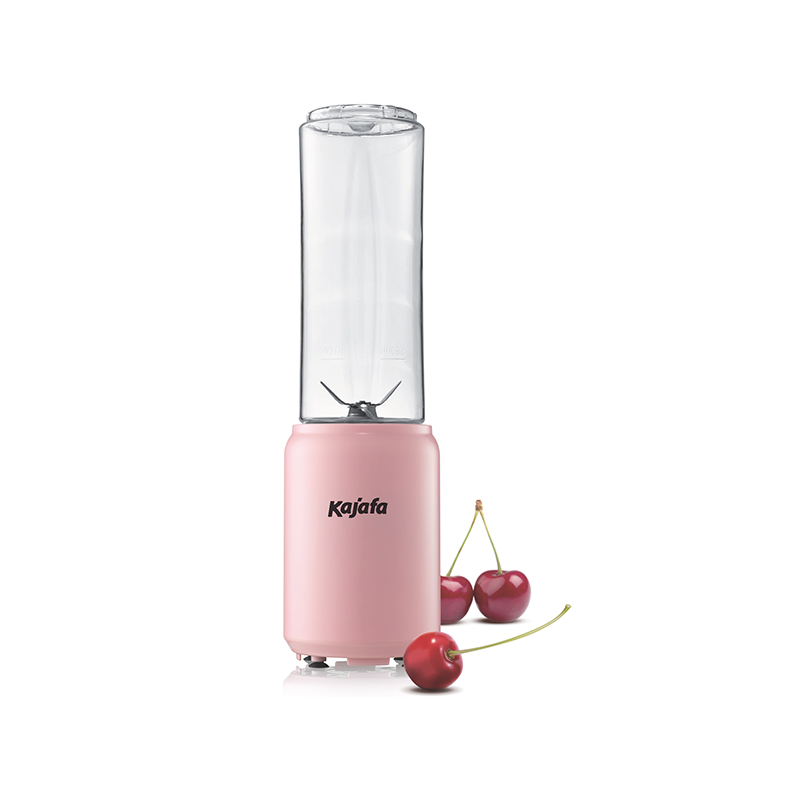
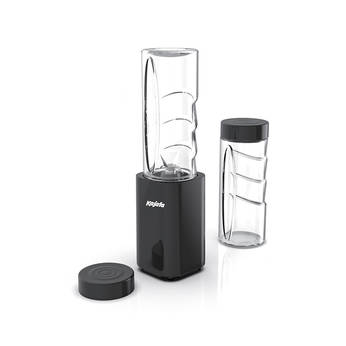
- Portable option: For office, gym, or travel days, a single-serve personal blender for portable cucumber smoothies
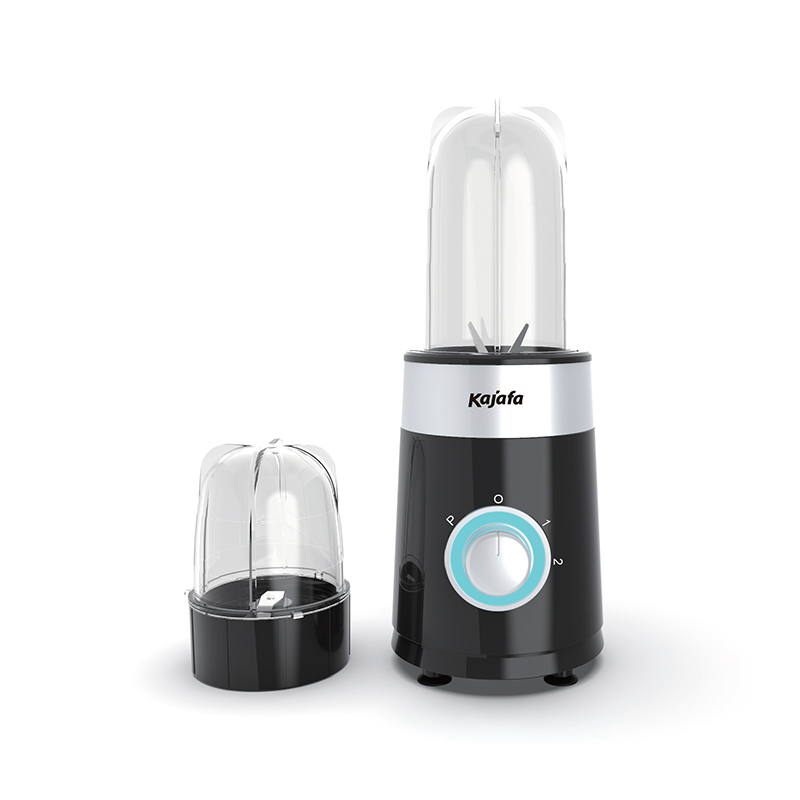 OEM/ODM BL218AB Personal Blender for Shakes and Smoothies, Smoothie Blender & SiNingbo Kajafa Electric Appliance Co.,Ltd is China oem/odm BL218AB Personal Blender for Shakes and Smoothies, Smoothie Blender & Single Se...View Product → lets you blend straight into the travel cup and take the lid with you. It also handles small portions without dirtying a large jar.
 - Smoothie cubes: Pour leftover smoothie into an ice cube tray, freeze overnight, and store the cubes in a freezer bag. Add two or three cubes to your next smoothie for extra coldness and flavor without watering it down.
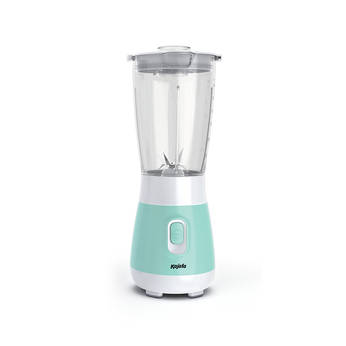
If you are mostly making single servings, the endless charm of mini blenders for milkshakes and smoothies becomes obvious quickly: smaller jars, easier cleaning, and portion control without sacrificing texture.
Frequently asked questions about cucumber smoothies
Can you put raw cucumber in a smoothie?
Yes, raw cucumber is the correct form for a smoothie. Cooking cucumber changes its texture and creates a completely different, softer flavor. Wash the outside well, keep the skin on for extra fiber, and blend it raw with the rest of the ingredients.
Do you need to peel cucumber for a smoothie?
No. The peel holds most of the fiber and a meaningful share of vitamin K, so we recommend keeping it on for English cucumbers. If you are using a thick-skinned field cucumber and find the peel bitter, peel it partially or switch to English cucumber for future batches.
Why is my cucumber smoothie watery?
Cucumber is 95 percent water, so a watery result usually means you undersized the frozen fruit. Increase the frozen banana, use frozen fruit instead of ice, or reduce the liquid by 30 to 50 ml. Seeding the cucumber also removes excess water.
How long does a cucumber smoothie last in the fridge?
Up to 24 hours in a sealed jar. After that, the color fades, the texture separates, and the fresh cucumber flavor starts to turn bitter. For longer storage, freeze the smoothie in ice cube trays and re-blend later.
Can you freeze a cucumber smoothie?
Yes. Freeze the smoothie in an airtight container or ice cube tray for up to three months. To serve, transfer the cubes to a blender with a splash of coconut water and pulse until smooth. The texture will be slightly icier than fresh, but the flavor stays intact.
What is the best cucumber for smoothies?
English cucumber, also labeled greenhouse cucumber or seedless cucumber, is the best choice for smoothies. It has thin skin that does not turn bitter, fewer seeds, and a milder flesh flavor. If only a regular field cucumber is available, peel it and scoop out the seeds before blending.