
 英语
英语 中文简体
中文简体

Content
What Is Baba Ganoush and What Makes It Authentic?
Baba ganoush is a smoked eggplant dip from the Levant built on tahini, lemon juice, garlic and olive oil. The direct answer to the question most home cooks ask: authentic baba ganoush gets its signature character from eggplant charred over an open flame, not from liquid smoke or spice blends, and its texture should be creamy enough to scoop with pita yet never runny.
The dish comes from the eastern Mediterranean, where cooks in Lebanon, Syria, Palestine and Jordan have roasted globe eggplants directly over fires for generations, turning them until the skin blackens and the flesh collapses. The name "baba ganoush" translates roughly as "pampered father", a playful way of saying the dish is so indulgent that even the head of the family would be spoiled by it. Versions vary from one household to the next; some add yogurt, others use pomegranate molasses, but the central combination stays the same.
Unlike hummus, which uses chickpeas as the base, baba ganoush is built entirely on eggplant and sesame paste. That single difference changes the whole eating experience: hummus is thick, nutty and dense, while baba ganoush is softer, smokier and lighter. If you have only made hummus so far, this eggplant version will taste noticeably more delicate and, for many people, more interesting.
Ingredients: Proportions That Actually Work
Only six ingredients matter. The gap between an average dip and a memorable one comes down to how you treat them: stir the tahini until it is glossy, weigh the eggplants instead of guessing, and squeeze the lemon the same day you make the dip. The proportions below make roughly four servings, which is what two medium globe eggplants produce.
| Ingredient | Amount | What it does |
|---|---|---|
| Globe eggplant | 2 medium, about 900 g | Smoky base and body |
| Tahini, well stirred | 3 tbsp (45 g) | Creaminess and sesame depth |
| Fresh lemon juice | 2 to 3 tbsp (30 to 45 ml) | Brightness, balances smoke |
| Garlic, small clove | 1 clove, about 5 g | Pungent lift |
| Extra-virgin olive oil | 3 to 4 tbsp (45 to 60 ml) | Richness and finishing drizzle |
| Fine sea salt | 3/4 tsp, then to taste | Brings the flavours together |
Tahini quality matters more than any other single ingredient. A fresh jar with a pourable, viscous texture blends smoothly, while an old jar that has separated can turn the dip grainy. Scrape the bottom, stir thoroughly, and if the tahini is still too stiff, whisk in one teaspoon of warm water before measuring.
Lemon is the second most important factor. Start with 2 tablespoons and taste; if you roasted the eggplant well and the smoke is strong, 3 tablespoons of lemon will keep the dip bright without turning sour. Olive oil works in two stages: one part inside the dip for richness, the rest drizzled over the surface just before serving.
Step-by-Step Method for a Smoky, Creamy Baba Ganoush
Four steps separate a good baba ganoush from an exceptional one: char the eggplant properly, drain it, puree it briefly, and let it rest. Follow them in this order and you will not need to rescue the dip later.
Char the Eggplant Over a Flame or Under a Broiler
Hold the eggplant directly over a gas burner, place it on a grill, or set it under a hot broiler. The goal is the same: blacken the skin so the flesh absorbs that unmistakable smoky character. Turn the eggplant every 4 to 5 minutes with tongs. Total time is usually 15 to 20 minutes, until the skin is blistered, the flesh feels soft, and the eggplant collapses under its own weight. Transfer it to a bowl and cover for 10 minutes; the trapped steam loosens the skin and makes peeling easy without wasting any pulp.
Drain the Cooked Eggplant
Skipping the drain is the most common mistake in homemade baba ganoush. A cooked globe eggplant can release 100 ml or more of watery juice, and if that liquid goes into the food processor, the dip turns thin and separates within an hour. Spoon the flesh into a colander and leave it for 15 to 20 minutes, pressing gently from time to time. Do not squeeze hard enough to push the pulp through the holes; keep 2 to 3 tablespoons of the collected liquid, just in case the dip needs thinning later.
Puree in Short Pulses, Not a Long Process
Put the drained eggplant, tahini, lemon juice, garlic and salt in your food processor. Pulse 8 to 10 times, then run the motor for 15 to 20 seconds at the most. Stop and scrape down the sides; the paste should mound on a spoon and hold its shape rather than flowing flat. For a single eggplant, an immersion blender in a narrow beaker works in about 20 to 30 seconds. The moment you see a smooth, glossy mass, stop: over-processing makes the dip pasty and sticky.
Season, Then Let It Rest
Add the olive oil, pulse twice, then taste for salt and acid. The smoke will fade slightly as the dip sits, so keep extra lemon in reserve. Rest the baba ganoush for 20 to 30 minutes at room temperature before serving. This is not a nicety; the quiet time lets the garlic mellow and allows the sesame, smoke and lemon to merge into one balanced flavour.
Why the Right Kitchen Appliance Changes the Texture
The easiest way to ruin baba ganoush is to use the wrong machine for the batch size. A full-size blender with a wide jar aerates the eggplant too much, producing a thin, whipped dip that separates after an hour. A food processor gives you short, controlled pulses that keep a little texture while pureeing the flesh evenly; the comparison below shows what to expect from each type.
| Appliance | Best for | Texture result | What to watch for |
|---|---|---|---|
| Food processor | 2 to 4 eggplants, 4 to 6 servings | Silky, aerated, holds its shape | Run in short pulses; do not overfill |
| Hand blender | 1 to 2 eggplants, small batch | Creamy, slightly coarse | Keep the blade submerged; narrow beaker works best |
| Mini chopper | 1 eggplant, single portion | Dense, rustic, quick | Only small batches |
| Full-size blender | Large quantity, very smooth result | Can turn thin and frothy | Stop early; add garlic last |
For a family portion, a multi-function food processor with puree and chopping functions is the most direct route. The same machine slices and shreds vegetables, which keeps the countertop clean when you are also preparing a mezze board. If you are new to machine-made dips, read how a food processor can puree and mix food without overworking it.
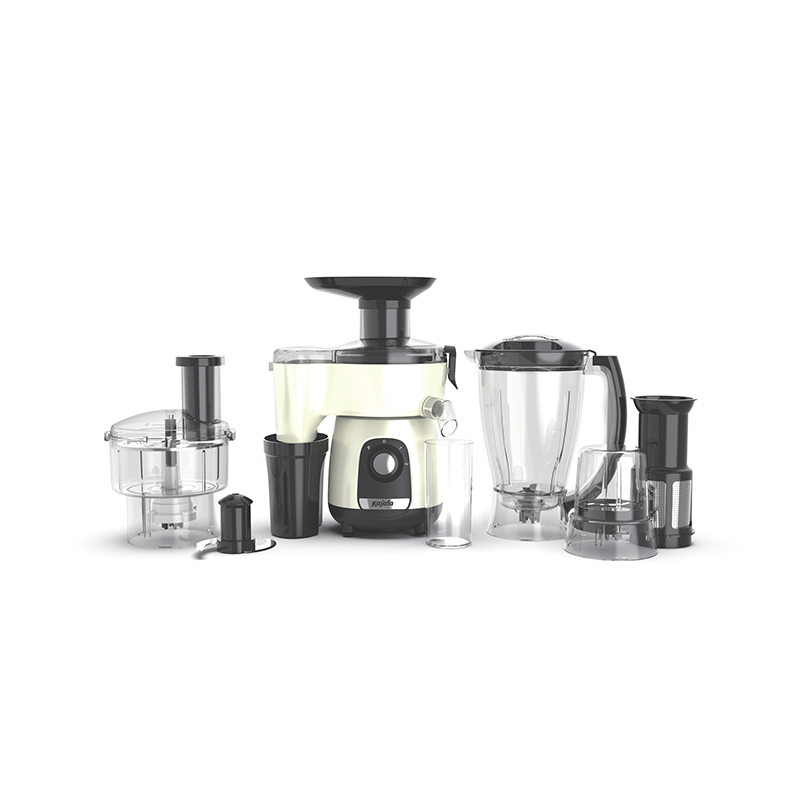 OEM/ODM FP465ABCDEF Food Processor & Vegetable Chopper for Slicing, Shredding, MNingbo Kajafa Electric Appliance Co.,Ltd is China oem/odm FP465ABCDEF Food Processor & Vegetable Chopper for Slicing, Shredding, Mincing,...View Product →
For a single eggplant, a 3-in-1 hand blender with whisk and chopper attachments does the same job with much less washing up; the chopper bowl is also good for minced garlic and parsley. The basics of shaft length and speed control are covered in this hand blender overview.
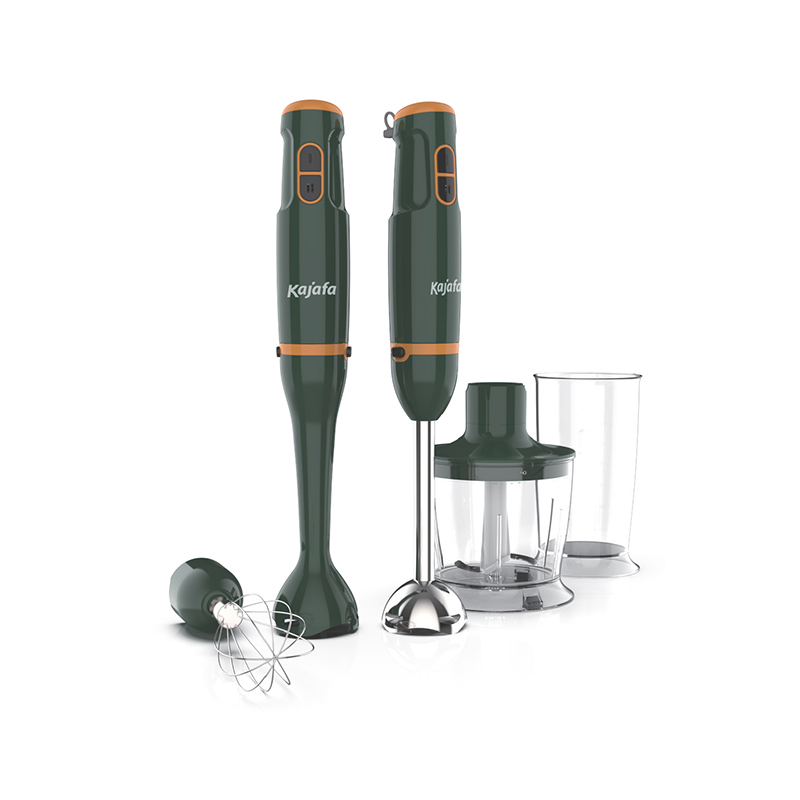 OEM/ODM HB828BCE 3 in 1 Hand Blender with Electric Whisk and Vegetable Chopper ANingbo Kajafa Electric Appliance Co.,Ltd is China oem/odm HB828BCE 3 in 1 Hand Blender with Electric Whisk and Vegetable Chopper Attachme...View Product →
If you cook for one, or your eggplants are small, a compact mini food processor chopper with a thick glass bowl makes a fast single serving with practically no clean-up.
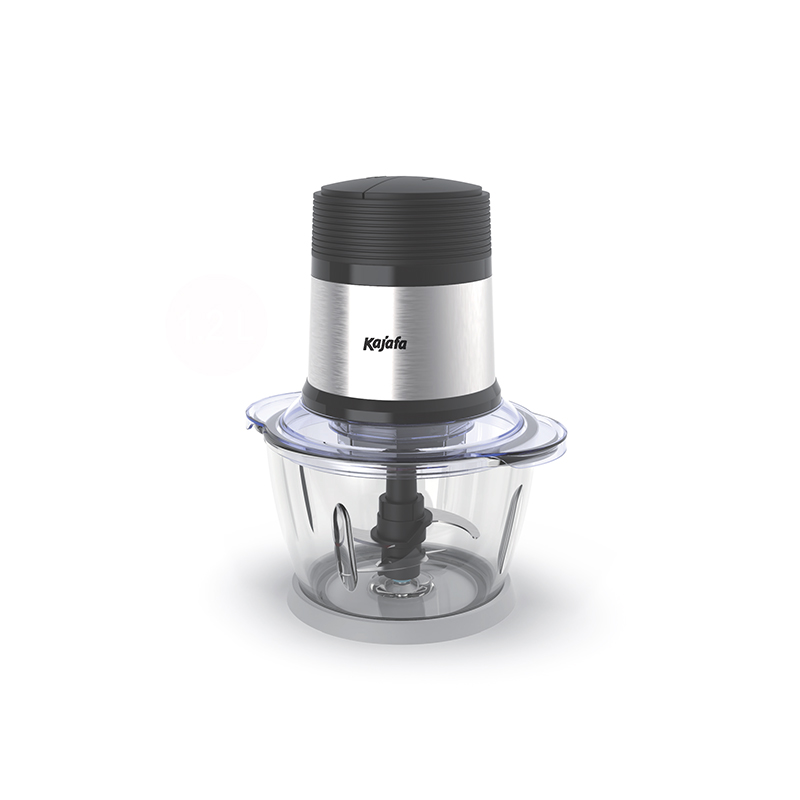 OEM/ODM FP125G Mini Food Processor Chopper - High Powered 400W Blender for FruitNingbo Kajafa Electric Appliance Co.,Ltd is China oem/odm FP125G Mini Food Processor Chopper - High Powered 400W Blender for Fruit and Ve...View Product →
Common Mistakes and How to Fix Them
Five problems cause almost every disappointing batch of baba ganoush. Find the symptom and apply the fix below.
- Watery dip. The eggplant was not drained, or the variety was very moist. Drain the cooked flesh in a colander for 15 to 20 minutes; use only 1 teaspoon of the reserved liquid if the dip looks too thick.
- Bitter aftertaste. Blackened skin or loose soot ended up in the paste. Peel carefully and scrape away any dark patches before pureeing.
- Garlic overpowers everything. A large clove was used. Use a small clove; if the dip still tastes harsh, chill it for 30 minutes, which softens the raw garlic heat.
- Gluey, pasty texture. The machine ran too long. Pulse instead; if the dip is already sticky, blend in 1 teaspoon of cold water and 1 tablespoon of olive oil to loosen it.
- Flat, dull flavour. The eggplant was under-charred or the salt was too little. Aim for black patches across most of the skin, and salt in two stages: once during blending and again after the resting period.
How to Serve and Store Baba Ganoush
Serving ideas
Serve the dip in a shallow bowl with a swirl of olive oil, a few parsley leaves and, if you like, pomegranate seeds in the centre. Warm pita, cucumber rounds, carrot sticks, radishes and cherry tomatoes are the classic dippers. Beyond dipping, spread baba ganoush inside a wrap, use it under roasted vegetables, or put it beside grilled chicken or lamb. It also holds its own on a breakfast table with eggs and flatbread, which is common in parts of the Levant.
Storage and shelf life
Store baba ganoush in an airtight container in the refrigerator for 3 to 4 days. Press a sheet of plastic film directly onto the surface to stop oxidation, then pour a thin layer of olive oil over the top as a barrier. Stir well before serving and reshape the surface with the back of a spoon. Freezing works for up to 3 months if the dip is smooth, but expect the oil and lemon to separate; thaw overnight in the fridge, whisk, and check the salt before serving.
Keep the equipment clean
Eggplant and tahini leave a sticky film that can smell if left overnight. Rinse the bowl and blade right after use and follow a practical food chopper cleaning routine so the gasket stays odour-free.
Baba Ganoush FAQ
Is baba ganoush the same as hummus?
No, although they belong to the same mezze family. Hummus is made from cooked chickpeas, tahini, lemon and garlic, while baba ganoush replaces the chickpeas with charred eggplant. The baba ganoush flavour is smoky and the texture is noticeably softer and lighter.
Can I make baba ganoush without tahini?
You can, but the result will not be authentic baba ganoush. Tahini provides the nutty creaminess that balances the smoke. A practical stand-in for one batch is 2 tablespoons of smooth sesame paste mixed with 1 teaspoon of olive oil, though a real tahini with a pourable consistency gives much better depth.
Why does my baba ganoush turn watery within a few hours?
The eggplant released its juice after blending. Drain the cooked flesh for the full 15 to 20 minutes, and keep most of the olive oil for the top rather than mixing it all into the paste.
Can I use the oven if I have no gas flame or grill?
Yes. Roast the eggplant at 200°C for 45 to 50 minutes until the skin wrinkles and the flesh feels very soft, then move it under a hot broiler for 5 to 6 minutes to build a smoky char. The oven gives a milder smoke than open flame, so add a little extra lemon to keep the dip lively.
Can I freeze baba ganoush?
Freeze it for up to 3 months in a tightly sealed container. Thaw overnight in the refrigerator, whisk well, then adjust the lemon, salt and olive oil before serving because freezing dulls acidity.
What if I do not have a food processor?
Mash the drained eggplant with a fork or potato masher, then stir in the tahini and lemon by hand. The texture will be rustic and slightly chunky, which works fine on pita; it just will not be as silky as the machine version.