
 英语
英语 中文简体
中文简体

Content
- 1 Kale and Spinach Both Work, But They Blend Differently
- 2 Why Leafy Greens Are Tricky in a Blender
- 3 Kale in Smoothies: What to Expect
- 4 Spinach in Smoothies: What to Expect
- 5 Kale vs Spinach: Nutrition Comparison
- 6 How to Blend Kale and Spinach Like a Pro
- 7 Which Blender Is Best for Leafy Green Smoothies?
- 8 Kale or Spinach: Choosing Based on Your Smoothie Goals
- 9 Common Problems and How to Fix Them
- 10 Sample Smoothie Recipes with Kale and Spinach
- 11 Frequently Asked Questions About Kale and Spinach in Smoothies
- 11.1 Can you put raw kale in a smoothie?
- 11.2 Can you put raw spinach in a smoothie?
- 11.3 Which is better for weight loss - kale or spinach?
- 11.4 How much kale or spinach should go in one smoothie?
- 11.5 Why does my kale smoothie taste bitter?
- 11.6 Is frozen spinach good in smoothies?
- 11.7 Can I make a green smoothie in a personal blender?
- 11.8 Should I wash kale and spinach before blending?
Yes, both kale and spinach belong in a smoothie. The real question is which one fits your blender, your taste buds, and your nutrition goals. Spinach is the forgiving one - it blends silky smooth in almost any machine, even a small 250W USB blender. Kale is the tough one - it packs more fiber and a bolder bite, but it needs more motor power and a longer blend to turn truly smooth.
This guide walks through taste, texture, nutrition numbers, and the exact blending techniques that make each leafy green work. You will leave knowing exactly which green to reach for.
Kale and Spinach Both Work, But They Blend Differently
If you only remember one thing: spinach liquefies in 20 to 30 seconds, while kale needs 60 to 90 seconds. The difference comes down to leaf structure. Spinach has thin cell walls and over 90 percent water content. Kale has sturdy cellulose and woody stems that are simply harder to break down.
Here is a quick comparison to guide your choice:
| Feature | Spinach | Kale |
|---|---|---|
| Blend time at 700W | 20-30 seconds | 60-90 seconds |
| Minimum blender power | 250W | 700W |
| Taste | Mild, slightly sweet | Earthy, slightly bitter |
| Resulting texture | Silky, smooth | Thicker, can have flecks |
The practical takeaway: if you own a personal blender, spinach will give you a smoother drink every time. If you own a 700W or stronger countertop blender, you can handle both. A countertop blender can help preserve nutrients in fruits and vegetables when the blending time stays short and the blade speed stays high - which is another reason to match the greens to your machine.
Why Leafy Greens Are Tricky in a Blender
Leafy greens are not difficult to blend - they are difficult to blend evenly. Every leaf is a network of tiny cells held together by fiber. When the blade cuts through, it must tear those cell walls apart to release the juice inside. The thicker the wall and the more fiber the leaf has, the more work the motor has to do.
Spinach leaves are paper-thin and mostly water. A 300W personal blender can handle a big handful because there is little resistance. Kale is a different story. Its leaves are dense and leathery, and the midrib and stems are almost woody. In a low-power blender, kale leaves often curl around the blade and stay in chunks. If you force it, you end up with a stringy, bitter drink.
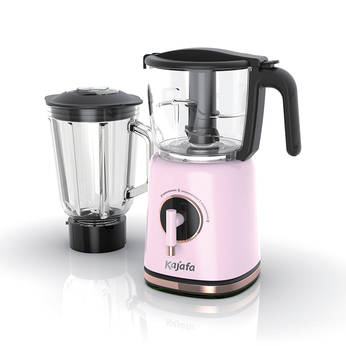
This is why the motor matters. A 700W countertop blender with a pulse function is the practical entry point for kale.
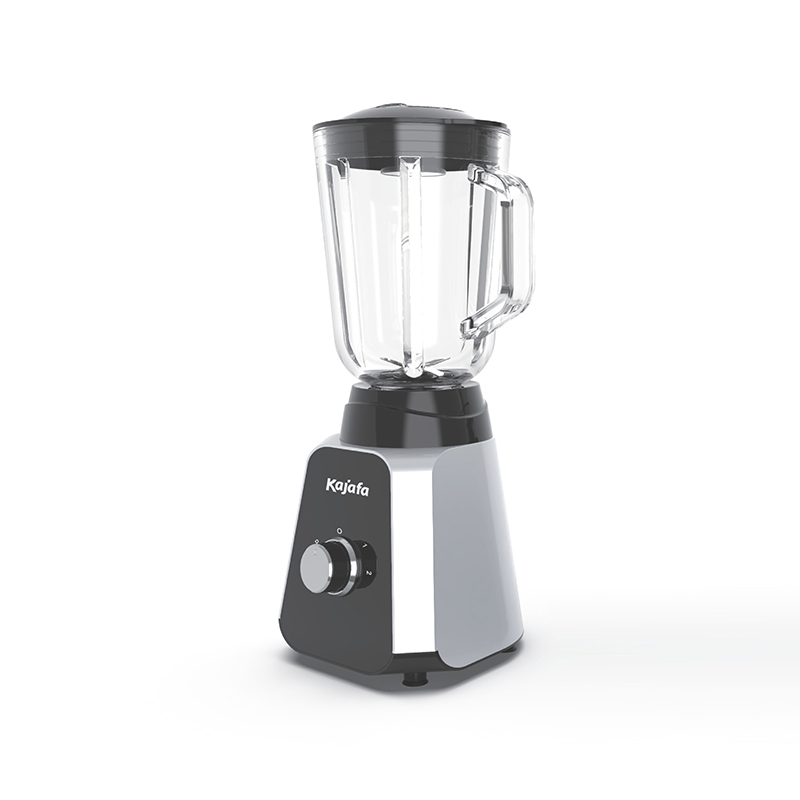
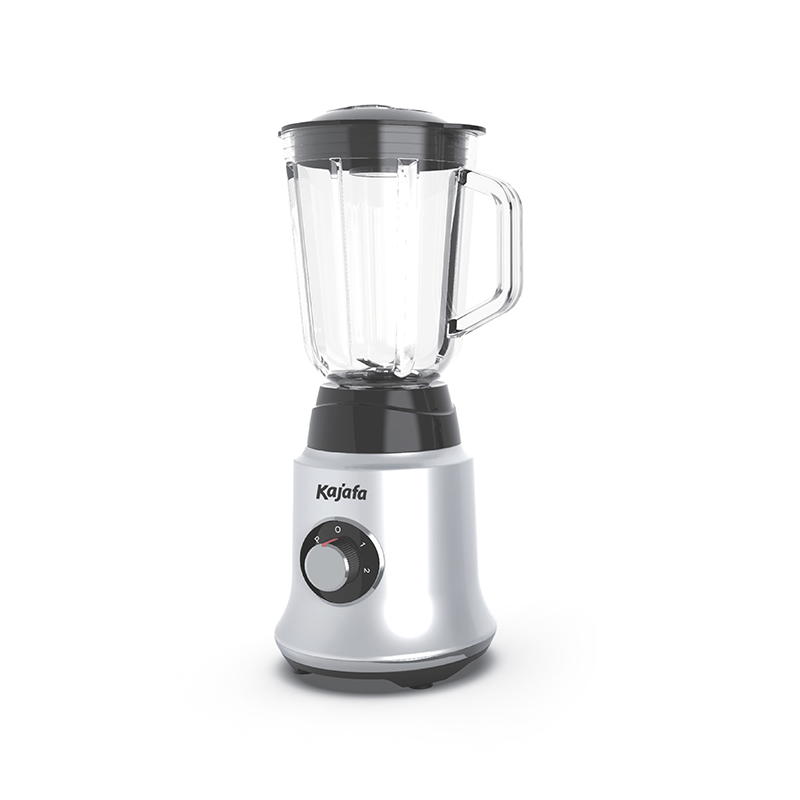
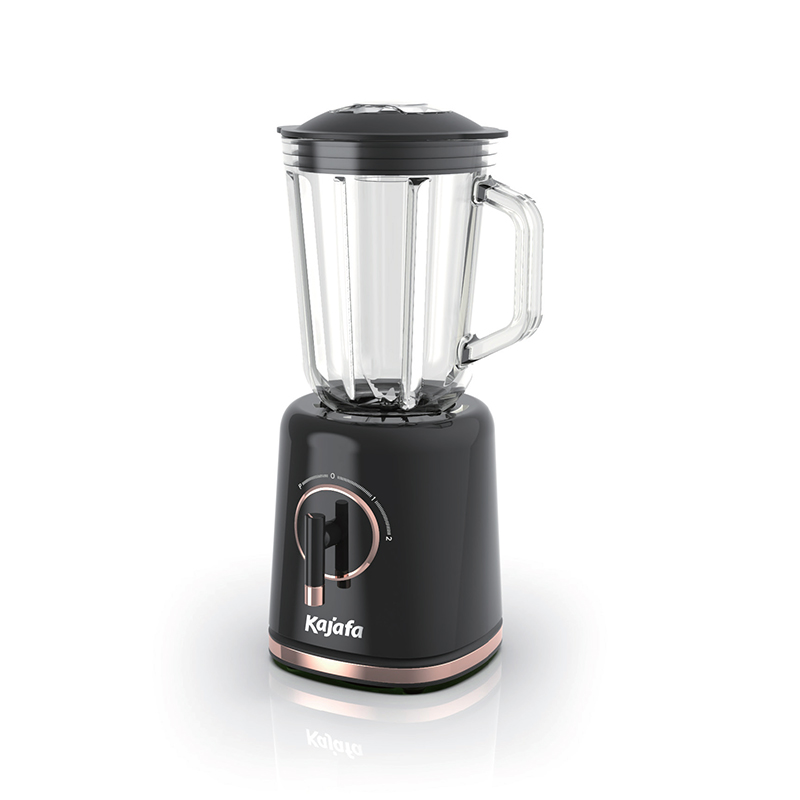
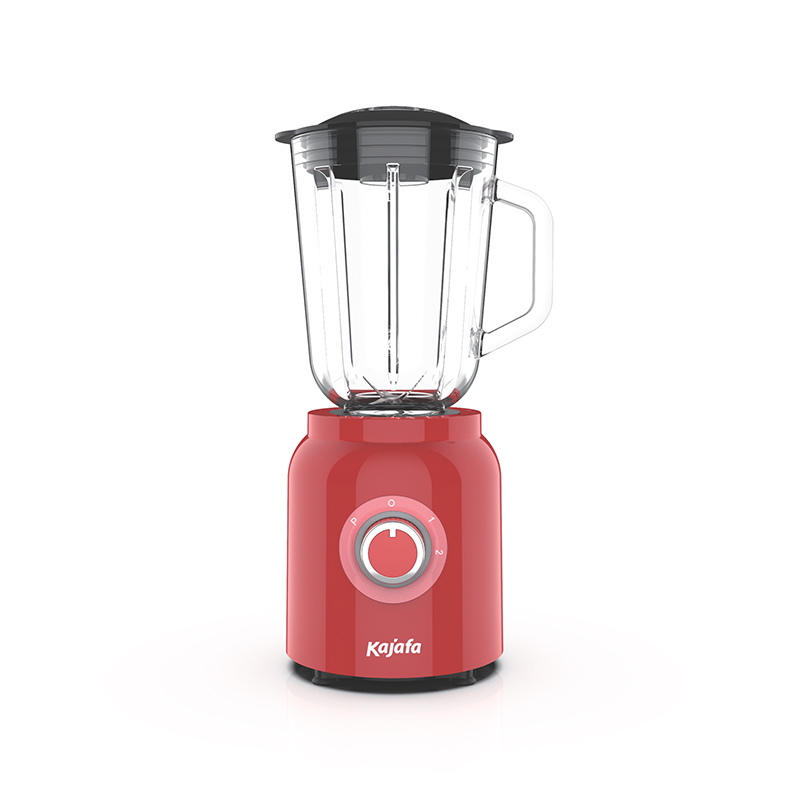 700W Countertop Blender with Pulse Function and 1.5L Glass JarThis 700W blender with pulse function is a practical entry point for kale. The 1.5L glass jar gives greens room to move, and the pulse cycle lifts leaves off the bottom to ensure thorough blending.View Product →
The pulse cycle lifts the leaves off the bottom of the jar and forces them back into the blades. The 1.5L glass jar gives the greens room to move, which prevents them from hiding under the blade assembly.
One more factor: liquid. You need at least one cup of liquid for every two cups of greens. Without enough liquid, the greens pack down into a thick paste and the blender spins in place. Water, coconut water, milk, or juice all work - just make sure it is in the jar before the greens.
Kale in Smoothies: What to Expect
Kale is the assertive green in the smoothie world. It tastes earthy with a peppery edge and a slight bitterness. That bitterness is actually a sign of glucosinolates, the same compounds found in broccoli and cabbage. They are good for you, but they need a sweet counterweight in the glass.
Nutritional profile (1 cup raw kale, trimmed)
According to data from the USDA FoodData Central, one cup of raw chopped kale provides roughly 33 calories, 2.5 grams of fiber, 80 milligrams of vitamin C, 547 micrograms of vitamin K, and 90 milligrams of calcium. It is also one of the best sources of lutein and zeaxanthin, two antioxidants that support eye health.
How to prepare it for smoothies
- Remove the thick stems and midrib - they are stringy and bitter. Use only the soft leafy parts.
- Tear the leaves into pieces. Smaller pieces blend faster and leave fewer visible green flecks.
- Freeze kale for 30 minutes before blending. The freezing process breaks down cell walls, so the leaves puree more easily.
- Pair it with a creamy fruit like banana or avocado to keep the texture smooth.
Kale smoothies are the right choice when you want a thicker, more filling drink that keeps you satisfied until lunch. The extra fiber slows digestion and blunts sugar spikes from the fruit.
Spinach in Smoothies: What to Expect
Spinach is the quiet workhorse. It has a fresh, grassy flavor that is barely noticeable after blending, which makes it perfect for picky eaters and for smoothies where you want the fruit to shine.
Nutritional profile (1 cup raw spinach)
The USDA FoodData Central shows one cup of raw spinach supplies about 7 calories, 0.7 grams of fiber, 28 micrograms of vitamin K, 0.8 milligrams of iron, 30 milligrams of calcium, 58 micrograms of folate, and 281 micrograms of vitamin A as RAE. If your goal is iron or folate, spinach is the stronger pick.
How to prepare it for smoothies
- Use baby spinach whenever possible - it is tender, sweet, and needs no stem trimming.
- If you use mature spinach, trim the tough base of each stem before blending.
- Wash spinach thoroughly - grit hides in the folds of the leaves. Rinse it in a bowl of water, then spin it dry.
- Frozen spinach is a legitimate shortcut. It blends creamier than fresh because the freezing already broke down the cell walls.
Spinach smoothies are the lighter choice. They are easier to drink, blend faster, and work in every blender from a tiny USB cup to a commercial machine.
Kale vs Spinach: Nutrition Comparison
The table below compares the key nutrients in one cup of raw, trimmed leaves. These values come from the USDA FoodData Central database.
| Nutrient | Kale (chopped) | Spinach |
|---|---|---|
| Calories | 33 kcal | 7 kcal |
| Fiber | 2.5 g | 0.7 g |
| Vitamin C | 80 mg | 8 mg |
| Vitamin K | 547 mcg | 28 mcg |
| Iron | 0.6 mg | 0.8 mg |
| Calcium | 90 mg | 30 mg |
| Folate | 19 mcg | 58 mcg |
Kale wins on fiber, vitamin C, and calcium. Spinach wins on iron and folate. Both are outstanding sources of vitamin K, which plays a role in blood clotting and bone health. Neither is a complete protein on its own, so if your smoothie is a meal replacement, add Greek yogurt, protein powder, hemp seeds, or a scoop of nut butter.
How to Blend Kale and Spinach Like a Pro
The difference between a lumpy green drink and a silky smoothie is mostly technique. Follow this order and timing and you will avoid the three most common failures: bitter taste, grainy texture, and a stuck blade.
- Pour in the liquid first. Use 1 to 1.5 cups of water, almond milk, coconut water, or juice. Liquid moves the leaves toward the blades.
- Add soft fruits next - banana, mango, berries, or pineapple. Soft fruit acts as a weight that pushes the greens into the blade zone.
- Add the greens last. Pack them down gently but do not fill the jar above the max line.
- Blend on low for 10 seconds to chop the leaves, then switch to high. For spinach, 20 to 30 seconds on high is enough. For kale, go 60 to 90 seconds.
- Use the pulse function for kale. A few short pulses lift the leaves off the bottom and drop them back onto the blades.
- Taste and adjust. If it is bitter, add a tablespoon of lemon juice or another half banana. If it is too thick, add 60 ml of liquid at a time.
If you are serious about kale smoothies, a high-speed blender makes the job nearly effortless.
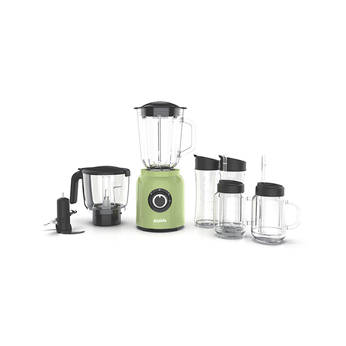
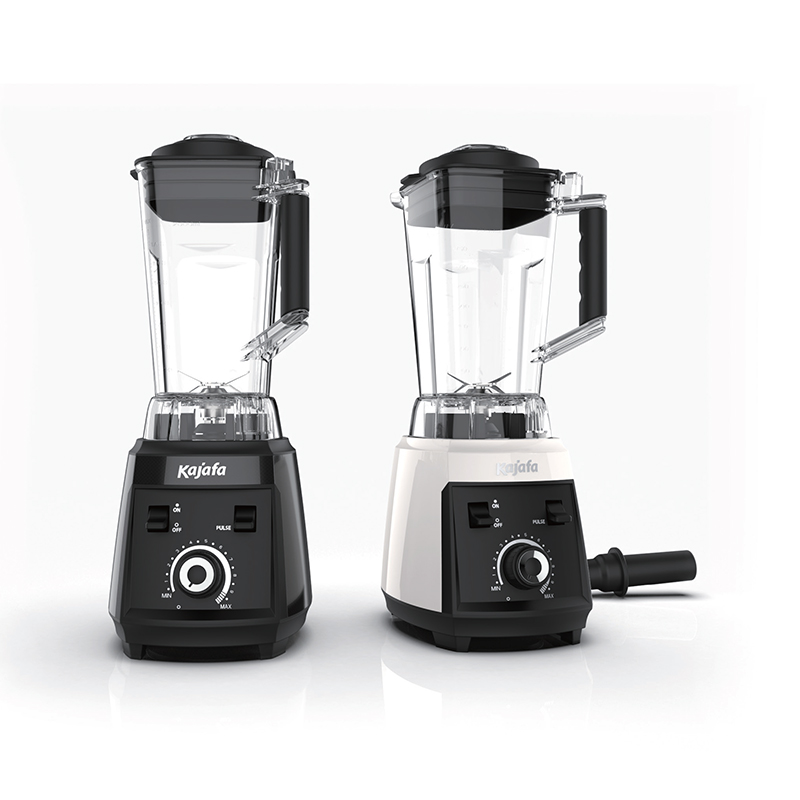 1200W High-Power Blender with 2000ml Capacity for Family UseWith 1200W power and a 2000ml jar, this blender can handle large batches of kale smoothies, frozen fruit, and ice in about a minute, making it ideal for family use without straining the motor.View Product →
With 2000ml capacity, it can accommodate a large batch of smoothie for the whole family, and the high wattage means you can blend kale, frozen fruit, and ice in about a minute without pushing the motor to its limit.
Which Blender Is Best for Leafy Green Smoothies?
Your blender choice matters more with kale than with spinach. Spinach will blend in almost anything - even a 250W USB blender. Kale demands three things: power, blade sharpness, and jar volume.
| Blender type | Best for | Power needed | Notes |
|---|---|---|---|
| Mini / USB blender | Spinach with soft fruit | 250-400W | Great for travel and single servings |
| Countertop blender | Both kale and spinach | 700-1000W | Pulse function helps with leafy greens |
| High-speed blender | Kale, frozen fruit, ice, seeds | 1200W+ | Best result for thickest smoothies |
If you mostly drink single servings and prefer spinach, a personal travel blender is convenient.
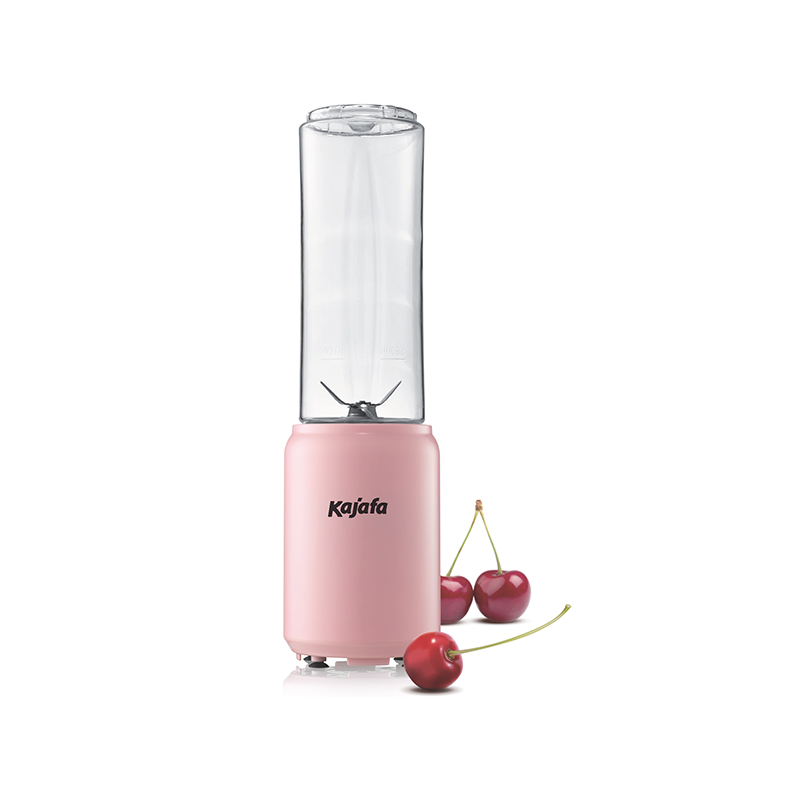
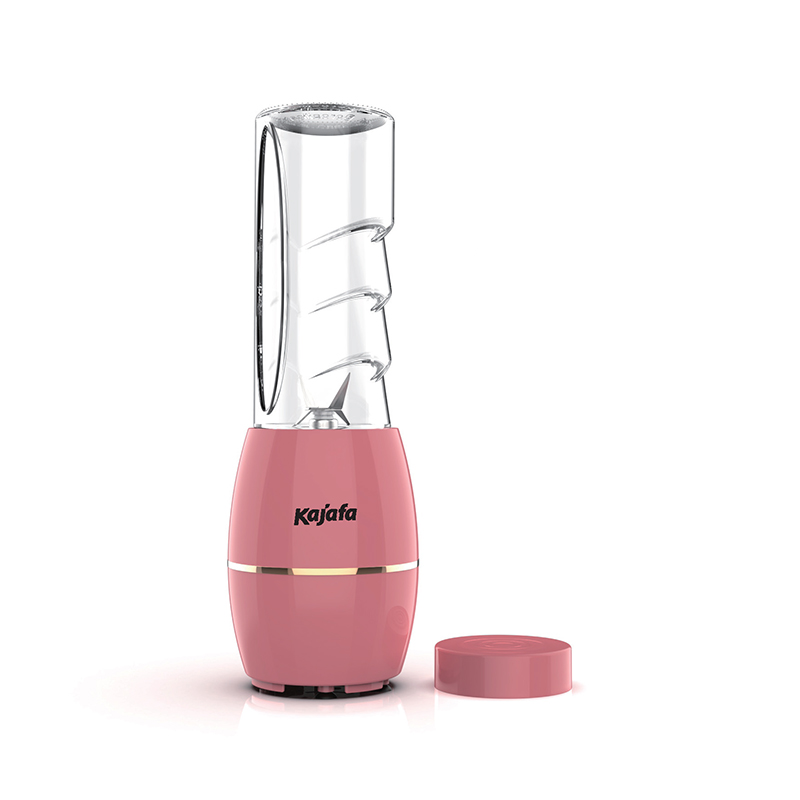
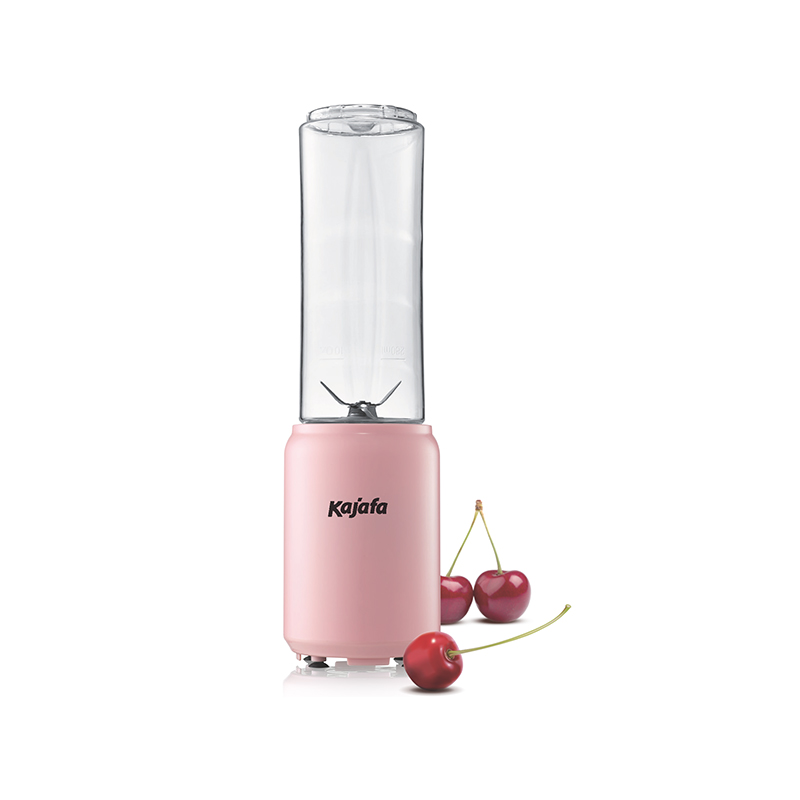 Portable Personal Blender with Travel Cup for Single ServingsLightweight and easy to carry, this 150W personal blender includes a travel cup and lid. It suits single servings of mild greens and soft fruit, though not tough kale or hard ingredients.View Product →
It is light enough to carry to the gym and the cup doubles as your drinking bottle. Just keep in mind that you will be limited to mild greens like spinach and very soft fruit.
If you want kale every morning, invest in a full-size blender with at least 700W and a pulse feature. Glass jars are a nice bonus because they do not absorb odors and they let you see how much the leaves are breaking down.
Kale or Spinach: Choosing Based on Your Smoothie Goals
The best leafy green is the one that fits your purpose. Here is a simple decision guide:
- Choose kale if you want more fiber and a fuller feeling. Kale has about 2.5 grams of fiber per cup versus 0.7 grams in spinach. A kale smoothie blends into a thicker drink that keeps you full longer.
- Choose spinach if you want an iron boost. Spinach provides about 0.8 milligrams of iron per cup. Pair it with a citrus fruit or vitamin C source to improve absorption.
- Choose spinach if you have a small blender. A personal or mini blender handles spinach without leaving chunks. Kale needs 700W or more to come out smooth.
- Choose kale if you want the green flavor to be present. Spinach is nearly invisible, while kale gives the smoothie a distinct, earthy character.
- Choose both if you have a 700W blender. A half-cup of kale plus one cup of spinach balances the fiber and the iron, and the mild spinach taste softens the bitter kale edge.
A realistic scenario: you blend a kale smoothie at 7 a.m. with banana, pineapple, and almond milk. You feel satisfied until 11 a.m. because the fiber and protein from the nuts slow digestion. With spinach, the same smoothie is lighter and easier on the stomach, but you may feel hungry an hour earlier. Neither is wrong - it simply depends on how much you need to get through a morning.
Common Problems and How to Fix Them
Even with the right greens and a capable blender, little things can go wrong. These fixes cover the issues people face most often.
- Bitter taste. Kale gets bitter when it is over-blended because the glucosinolates break down. Blend in short bursts, add a pinch of salt (optional), or brighten it with lemon juice.
- Grainy texture. There are still leaf fragments. Blend 30 seconds longer on high. For kale, strain through a fine mesh sieve if you want a perfectly smooth drink.
- Foamy top. This happens when air is whipped into the smoothie at high speed. Blend on low for the last 10 seconds or shake the jar gently before drinking.
- Separation after sitting. This is natural. The solids settle because the leaves are suspended in liquid. Give it a quick stir or shake - it is not spoiled.
- Grey or dull color. When you add berries, the anthocyanins react with the chlorophyll and turn the color muddy. A squeeze of lemon juice helps preserve a bright green.
- Too watery. Cut the liquid back to one cup and add half a banana or one quarter of an avocado. Both fruits create a creamy, stable base.
One extra tip: always taste before pouring into a travel cup. It takes 10 seconds to adjust, but it saves you from drinking something you do not like.
Sample Smoothie Recipes with Kale and Spinach
These three recipes use the same basic method: liquid first, soft fruit second, greens last. Each one takes less than three minutes from fridge to glass.
Classic Green Kale Smoothie
- 1 cup kale leaves, stems removed
- 1/2 frozen banana
- 1/2 green apple, cored
- 1/2 cup pineapple chunks
- 1 cup unsweetened almond milk
- 1 tablespoon lemon juice
Blend for 60 to 90 seconds on high. The lemon cuts the bitterness and the pineapple adds sweetness. Yields about 16 ounces.
Silky Spinach Protein Smoothie
- 2 cups baby spinach
- 1 scoop vanilla protein powder
- 1/2 frozen banana
- 1/4 avocado
- 1 cup milk of choice
- 1 teaspoon honey, optional
Blend for 20 to 30 seconds on high. The avocado gives it a milkshake-like texture. Yields about 14 ounces.
Kale and Spinach Combo Smoothie
- 1/2 cup kale leaves, stems removed
- 1 cup baby spinach
- 1/2 frozen mango
- 1/2 frozen banana
- 1 cup coconut water
- 1 tablespoon chia seeds
Blend for 60 seconds on high. The chia seeds need a couple of extra seconds to hydrate, so let the smoothie sit for two minutes before drinking. Yields about 16 ounces.
Frequently Asked Questions About Kale and Spinach in Smoothies
Can you put raw kale in a smoothie?
Yes. Raw kale blends fine once you remove the thick stems and tear the leaves into small pieces. Cooking is not required, though frozen kale is easier to blend because the freezing process weakens the cell walls.
Can you put raw spinach in a smoothie?
Yes. Baby spinach is the easiest green to blend. It does not need any preparation beyond a good wash. Mature spinach may have tough stems near the base, so trim them before blending.
Which is better for weight loss - kale or spinach?
Kale is more filling because it has about 2.5 grams of fiber per cup, versus 0.7 grams in spinach. If you want a smoothie that keeps you satisfied for longer, kale wins. Spinach is lower in calories and lighter on the stomach.
How much kale or spinach should go in one smoothie?
Start with one cup of greens per single-serving smoothie. You can work up to two cups if you are used to the flavor, but keep the fruit-to-greens ratio balanced so the sweetness masks the bitterness.
Why does my kale smoothie taste bitter?
Kale contains glucosinolates that release bitterness when the leaves are over-blended. Blend in short bursts, add a sweet fruit like banana or pineapple, and finish with a splash of lemon juice. The acid balances the bitter compounds.
Is frozen spinach good in smoothies?
Yes. Frozen spinach blends creamier than fresh spinach because ice crystals break down the cell walls during freezing. Use it straight from the freezer - no thawing needed.
Can I make a green smoothie in a personal blender?
Yes, if you use spinach. Personal blenders in the 250 to 400W range handle spinach and soft fruit like banana and mango. Kale needs more power - usually 700W or higher - to avoid visible flecks.
Should I wash kale and spinach before blending?
Yes, always. Sand and grit hide in the leaf folds and on the stems, even in organic produce. Rinse the leaves in a bowl of water, agitate, and drain well before adding them to the blender.