
 英语
英语 中文简体
中文简体

Content
- 1 The Classic Apricot Smoothie Recipe
- 2 Why Apricots Belong in Your Daily Smoothie
- 3 Five Apricot Smoothie Variations Worth Trying
- 4 Common Mistakes That Ruin an Apricot Smoothie
- 5 How to Choose the Right Blender for Apricot Smoothies
- 6 Frequently Asked Questions About Apricot Smoothies
- 6.1 Do you need to peel apricots before blending?
- 6.2 Can you use dried apricots instead of fresh ones?
- 6.3 How long does an apricot smoothie stay fresh in the fridge?
- 6.4 What can replace Greek yogurt in a dairy-free version?
- 6.5 Is an apricot smoothie good for weight loss?
- 6.6 How do you make an apricot smoothie taste less tart?
Making an apricot smoothie at home takes five minutes and requires just six ingredients. The direct answer is this: combine six ripe apricots with one cup of Greek yogurt, half a cup of milk, one tablespoon of honey, and half a cup of ice, then blend at high speed for forty to sixty seconds. That formula produces about two servings with roughly 220 calories, twelve grams of protein, and a significant dose of vitamin A and vitamin C. The key to a consistently silky texture is choosing totally ripe apricots and using a blender with enough torque to crush ice and puree the skin. When you get those two details right, you receive a fresh, naturally sweet drink that beats anything sold in a juice bar.
The Classic Apricot Smoothie Recipe
This recipe is designed for a standard 1.5-liter blender jar and yields two generous servings. For personal blenders, halve the amounts. The table below lists the key ingredients and the quantities that produce the smoothest, most balanced flavor.
| Ingredient | Amount | Note |
|---|---|---|
| Ripe apricots | 6 medium | Remove the pit; keep the skin |
| Greek yogurt | 1 cup | Unsweetened for a lower sugar drink |
| Milk or oat milk | 1/2 cup | Adjust for thickness |
| Honey | 1 tablespoon | Optional if apricots are sweet |
| Ice cubes | 1/2 cup | Six to eight standard cubes |
How to Pick the Right Apricots
Look for apricots that have a deep amber or orange color with no green patches at the stem end. The fruit should feel slightly heavy for its size and should yield a little when pressed with your fingertip. If the apricot is rock hard, it is not ready. If it is mushy, pass on it. Apricots continue to ripen after harvest, so you can leave them on the kitchen counter at room temperature for one to two additional days to soften further.
Step-by-Step Instructions
- Rinse six apricots under cold running water. Cut each one in half, twist the halves apart, and remove the hard pit.
- Place the apricot halves directly into the blender jar, followed by one cup of Greek yogurt, half a cup of milk, one tablespoon of honey, and half a cup of ice.
- Secure the lid and pulse two or three times at low speed. This breaks the apricots into smaller pieces that mix more easily.
- Switch to high speed and blend for forty to sixty seconds. Stop when no visible fruit skin or ice chips remain.
- Open the lid, dip a spoon into the mixture, and feel for chunks. If you detect any, run the blender for another ten seconds.
- Pour into two tall glasses and serve immediately. The smoothie separates after sitting, so give it a quick stir if you wait more than a few minutes.
Why This Exact Ratio Works
One cup of Greek yogurt creates a creamy, tangy base that pairs beautifully with the apricot's natural sweetness. Half a cup of milk keeps the drink pourable without watering down the fruit. The honey is optional, but most apricots need a touch of sweetness because their natural sugars are balanced by astringent skin compounds.
According to the USDA National Nutrient Database, 100 grams of fresh apricots contains about 10 milligrams of vitamin C. Six apricots in this recipe weigh roughly 180 grams, giving you close to 18 milligrams of vitamin C. With the yogurt and milk, the smoothie also gains twelve grams of protein and a healthy dose of calcium, making it a more substantial breakfast than a glass of orange juice.
Why Apricots Belong in Your Daily Smoothie
The apricot is not just a sweet stone fruit; it is a dense source of trace minerals and fiber. Here is a practical look at what you get from the six apricots in the base recipe.
- Vitamin C: Roughly 10 milligrams per 100 grams of apricot, which is about 11 percent of the recommended daily intake. Vitamin C supports immune defense and the production of collagen.
- Beta-Carotene: Apricots carry around 1,000 micrograms of beta-carotene per 100 grams. The body converts this to vitamin A, and a sufficient intake supports good night vision and healthy skin.
- Potassium: Each 100 grams gives you almost 260 milligrams of potassium. Potassium counteracts excess sodium, helps muscles contract, and aids in maintaining balanced blood pressure.
- Dietary Fiber: One apricot contains roughly 1.5 grams of fiber. Six apricots give you around 9 grams, which is close to a third of the daily requirement for an adult.
- Polyphenols: Fresh apricots include chlorogenic acid and catechin, both linked to reducing markers of oxidative stress in controlled studies.
Compare this with a typical 250-milliliter glass of orange juice, which contains about 110 calories, no fiber, and no protein. The apricot smoothie delivers 220 calories, 5 grams of fiber, and 12 grams of protein. It also has a lower glycemic load because the fiber slows carbohydrate absorption. This makes the smoothie a more filling and more sustainable choice for breakfast or an afternoon snack.
Five Apricot Smoothie Variations Worth Trying
The base recipe works on its own, but these five tested add-ins change the flavor, texture, or nutritional profile. Keep the six apricots as the constant, and adjust only the special ingredient.
| Variation | What to Add | Overall Effect |
|---|---|---|
| Apricot Banana | 1 frozen banana | Creamier body, stronger natural sweetness |
| Apricot Oat | 2 tablespoons rolled oats | Thicker texture, more fiber, breakfast-ready |
| Apricot Ginger | 1/2 inch fresh ginger | Warm kick that cuts through the sweet fruit |
| Apricot Mango | 1/2 ripe mango | Tropical aroma and a small boost of vitamin C |
| Apricot Almond | 1 tablespoon almond butter | Nutty depth and a dose of healthy fats |
For the apricot oat version, soak the rolled oats in the milk for ten minutes before blending. This softens the oats and lets them break down completely. For the ginger version, peel the ginger, chop it into small pieces, and drop it in last so it gets fully incorporated. Pair the almond butter variation with oat milk; the nutty flavor rounds out the apricot's tartness better than dairy milk.
Common Mistakes That Ruin an Apricot Smoothie
Most unimpressive apricot smoothies come from one of these five errors. Recognize them ahead of time and you will save both fruit and time.
- Using stone-hard apricots: Unripe apricots are sour, astringent, and difficult to blend. The result is a grainy mess with a bitter finish. Give the fruit a gentle squeeze: it should yield slightly, like a ripe peach.
- Adding too much liquid: Too much milk or water creates a thin, washed-out drink that lacks fruit impact. Start with the recipe's half cup of milk and add only one or two tablespoons if the blades stop moving.
- Blending too long: More than sixty seconds of high-speed blending heats the mixture. Warm smoothies lose the freshness of the fruit and degrade some vitamin C. Stop as soon as the mixture is uniform.
- Keeping the honey when the fruit is already sweet: Overripe apricots can be extremely sweet on their own. Taste a piece first. If it is naturally sweet, eliminate the honey and drop the calorie count by about 60 calories.
- Adding ice at the bottom: Ice at the base of the jar can block the blades from reaching the fruit. Always put soft fruit and liquid first, then layer the ice on top, then pulse before running continuously.
How to Choose the Right Blender for Apricot Smoothies
The apricot smoothie recipe only works well when the blender can handle three things: crushing ice, pureeing the fruit skin, and pulling everything into a smooth vortex. A weak blender spins but leaves chunks. A strong blender finishes the whole batch in under a minute.
The Blender Specifications That Matter
| Feature | Minimum | Recommended |
|---|---|---|
| Motor power | 500 watts | 700 watts or more |
| Jar capacity | 1.0 liter | 1.5 liters for family batches |
| Blade material | Stainless steel | 304 stainless steel |
| Blade count | 2 blades | 4 or 6 blades |
A 500-watt blender can crush ice, but it works slowly and tends to leave a few small chunks. A 700-watt motor handles the job in around forty seconds, which preserves the bright orange color and the fresh apricot flavor. Personal blenders rated at 300 watts can manage, but you will need to remove the ice from the recipe and skip the skin. That change alters the texture and the nutrition.
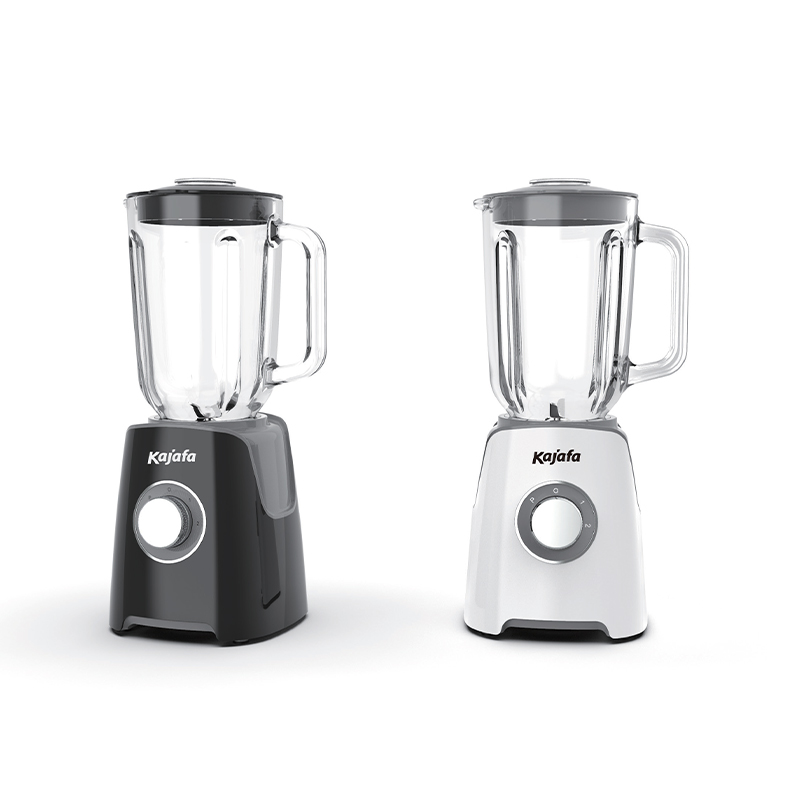
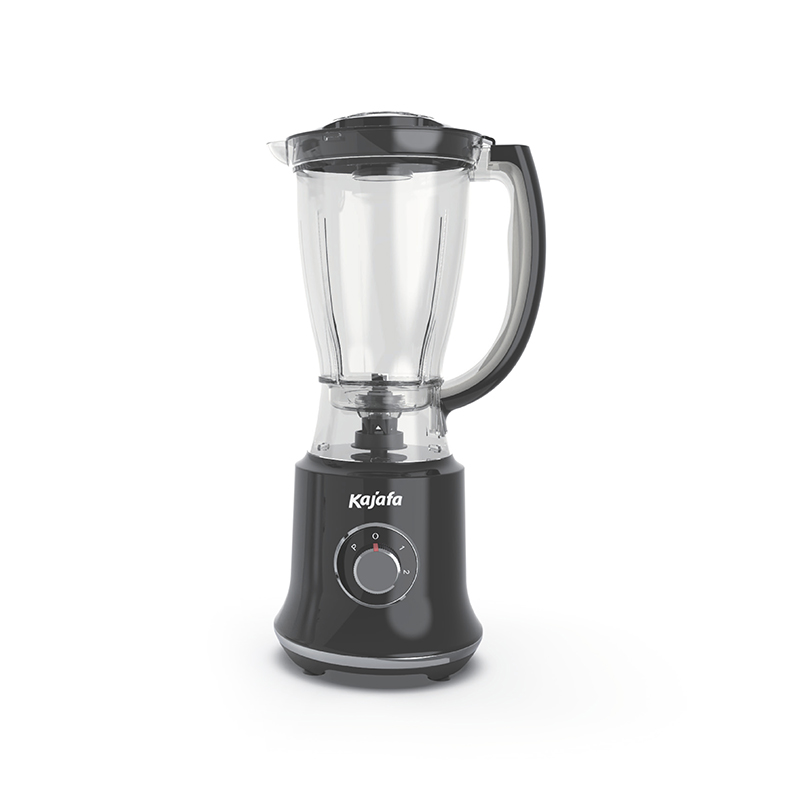
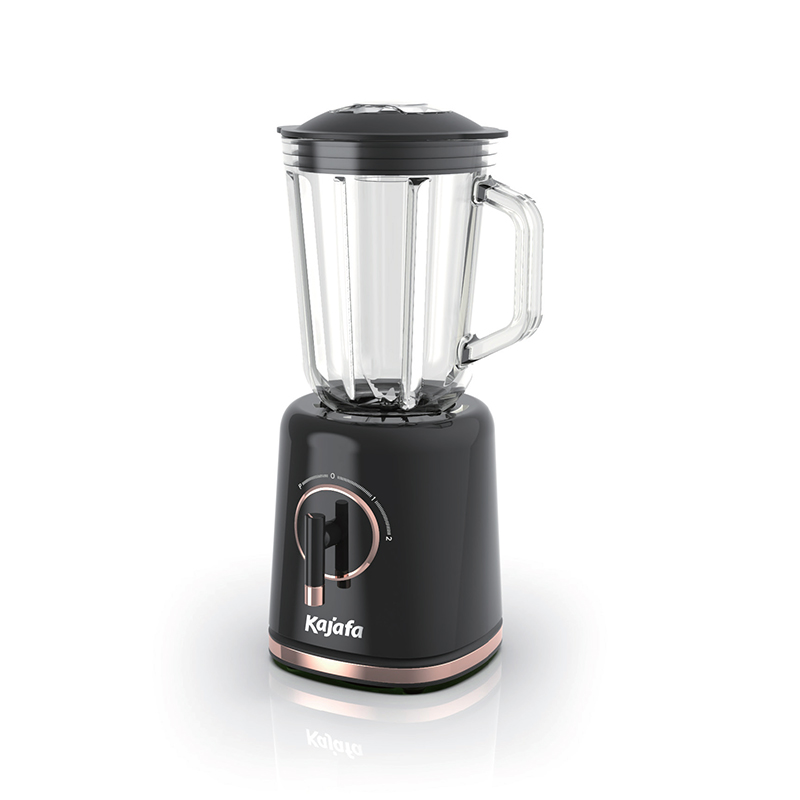
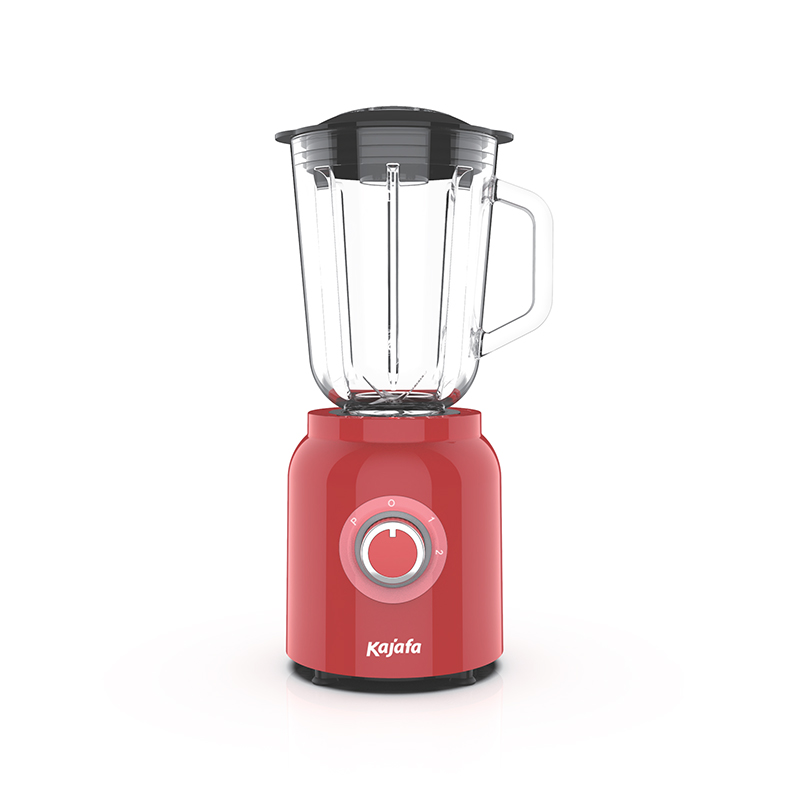
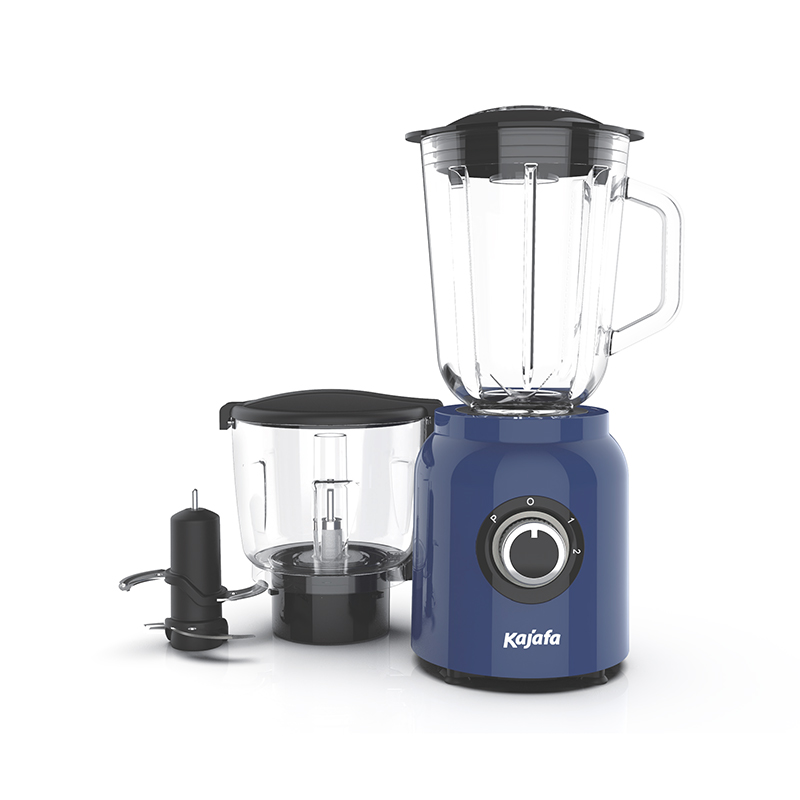 700W Multifunctional Jug Blender with 1.5L Glass Jar for SmoothiesThis 700-watt blender with a 1.5-liter glass jar and stainless steel blades crushes ice in about 40 seconds, preserving fresh color and flavor. The glass jar resists odors, making it ideal for the apricot recipe.View Product →
A multifunctional jug blender with a 700-watt motor and a 1.5-liter glass jar is a solid match for this recipe. The glass jar resists odor absorption, and the four stainless steel blades create a consistent vortex even with frozen fruit.
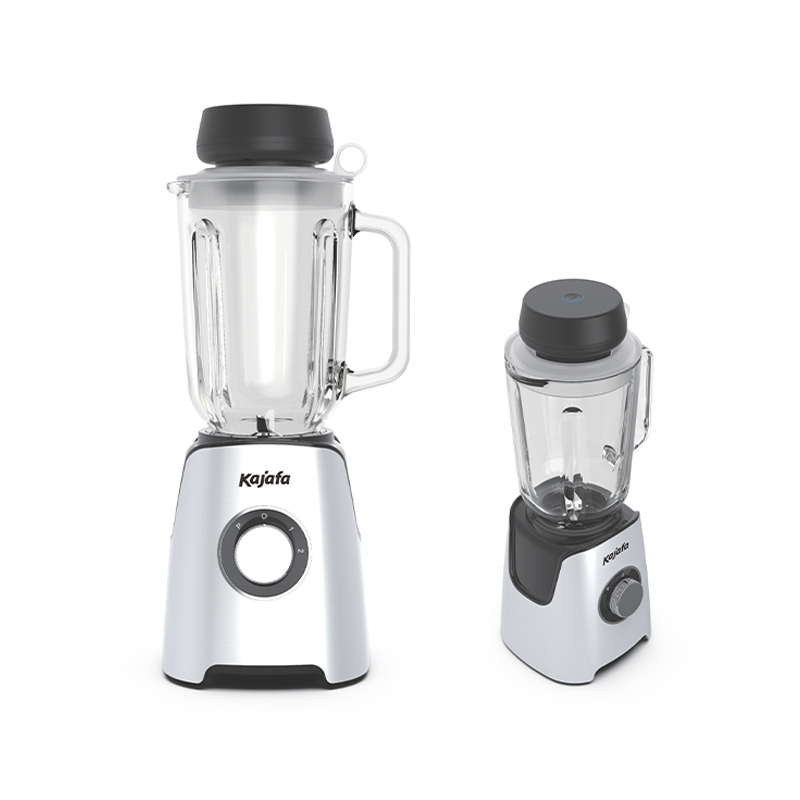
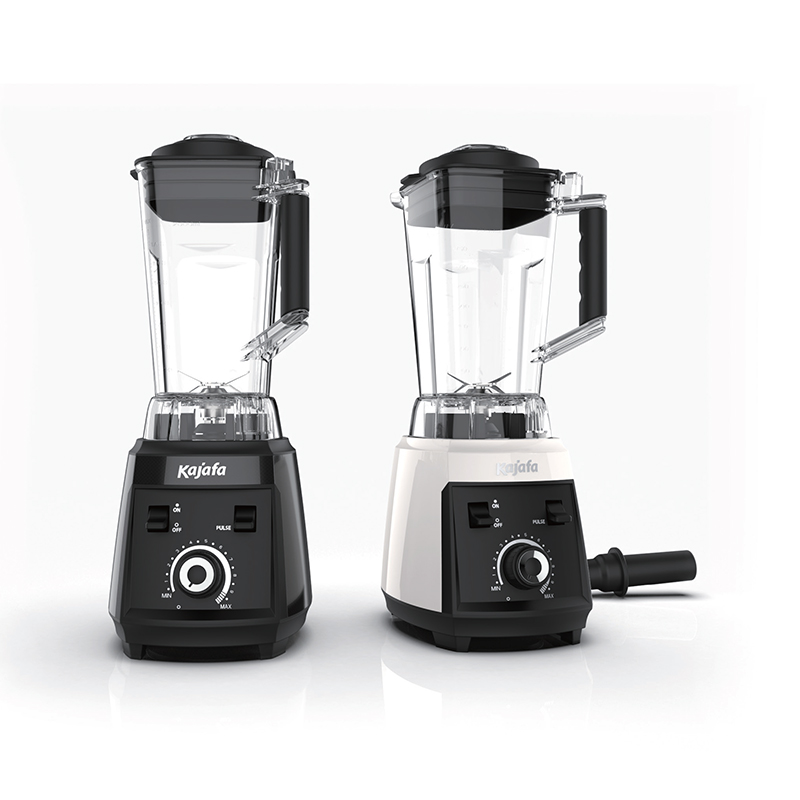 1200W High-Power Countertop Blender with 2L Capacity for Large BatchesWith 1200 watts and a 2-liter container, this blender handles whole pitchers quickly and processes tough ingredients like frozen mango or date paste without pulsing, perfect for entertaining.View Product →
If you entertain often or like to make a full pitcher, a 1200-watt high-speed blender with a 2-liter container will finish the entire batch in under a minute. The extra power also handles tougher ingredients like frozen mango pieces or date paste without any pulsing needed.
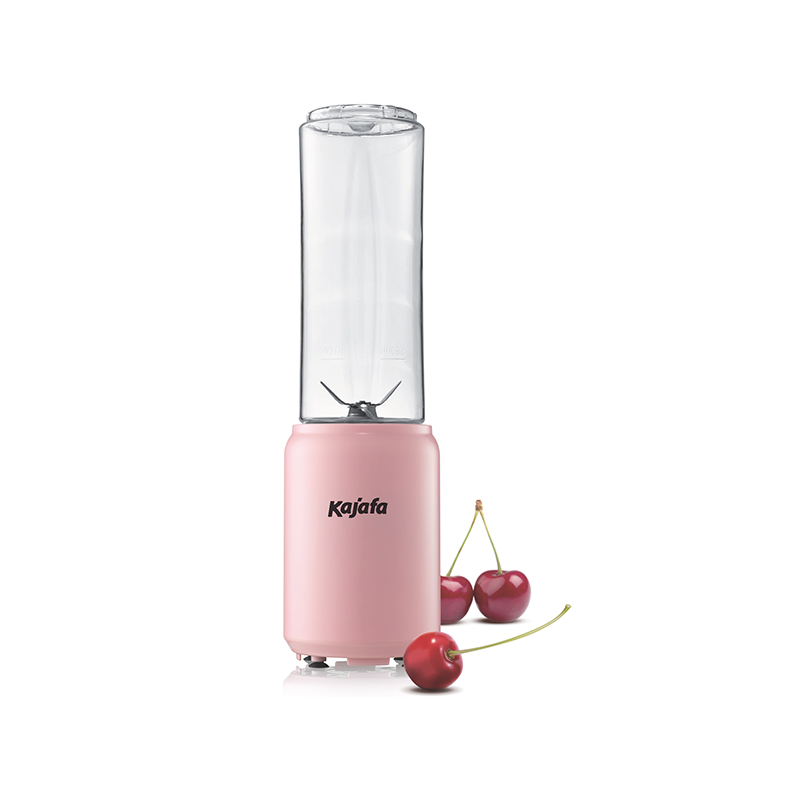
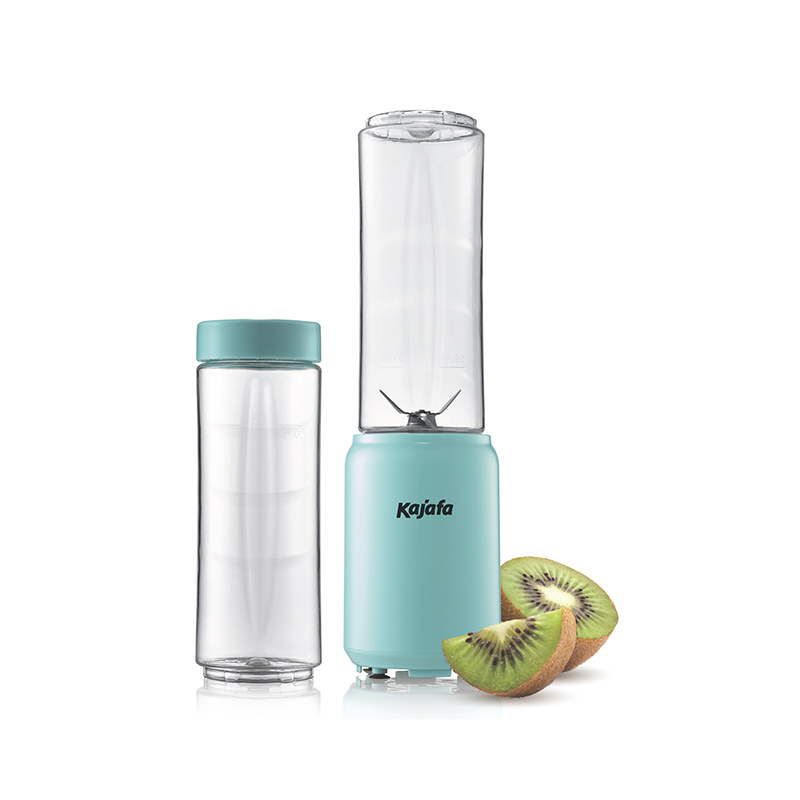 Personal Portable Blender with 280ml BPA-Free Bottle for Single ServingsThis 150-watt personal blender includes a 280ml BPA-free bottle, suitable for single servings. Its compact design and overheat protection make it convenient for travel and daily use.View Product →
If you are blending a single serving for one person, a personal-size blender with a 280 to 400 milliliter bottle is enough. Look for a four-blade stainless steel system and avoid cup blenders that cannot crush even small quantities of ice. For practical tips on single-serve blending, browse through our mini blender smoothie tips.
Whatever model you own, the golden rule is to add liquid first, then fruit, then ice. That is how you protect the blades and get a uniform result.
Frequently Asked Questions About Apricot Smoothies
Do you need to peel apricots before blending?
No. The skin of a ripe apricot is thin and blends completely without leaving a noticeable texture. Keeping the skin on also preserves dietary fiber and slows down the browning that happens when the flesh is exposed to air. If you use dried apricots, however, you must soak them in warm water for about thirty minutes to soften the tougher skin before blending.
Can you use dried apricots instead of fresh ones?
Yes, but you need to adjust the amount and the preparation. Soak four dried apricot halves in warm water for thirty minutes, then drain them and use them in place of the six fresh apricots. Dried apricots are much more concentrated in sugar and fiber, so the smoothie will be sweeter and the texture more dense. You may need an extra splash of milk to keep it pouring.
How long does an apricot smoothie stay fresh in the fridge?
Store it in an airtight container for up to twenty-four hours. The mixture will separate as it sits, so shake it vigorously before drinking. That said, vitamin C begins to degrade from the moment it is exposed to oxygen. For the best nutritional value, drink the smoothie within two hours of blending.
What can replace Greek yogurt in a dairy-free version?
Use coconut yogurt or soy yogurt and switch the milk to oat or almond milk. To keep the thick and creamy texture, add half a ripe banana or two tablespoons of avocado. Both are natural thickeners that blend into a smooth consistency without adding dairy.
Is an apricot smoothie good for weight loss?
The classic recipe with honey and Greek yogurt comes to about 220 calories when split into two servings. It provides 12 grams of protein and roughly 5 grams of fiber, both of which promote satiety. If you want a lower calorie version, remove the honey and choose an unsweetened yogurt. That drops the total to about 180 calories per glass while keeping the fruit nutrients intact.
How do you make an apricot smoothie taste less tart?
Use apricots that are completely ripe and slightly soft to the touch. Their flavor turns sweeter as they ripen, with lower levels of malic acid. If your fruit is still tart, add a teaspoon of honey, maple syrup, or half a ripe banana. Mango also works well to sweeten the drink without masking the apricot character.
The apricot smoothie earns its place in your routine because it is fast, flexible, and genuinely nourishing. Start with six ripe apricots, Greek yogurt, a little milk, honey, and ice. Blend until smooth, taste for sweetness, and stop at sixty seconds to keep the texture bright. From there you can adapt it endlessly: add banana for body, oats for fiber, ginger for spice, or almond butter for richness. The real takeaway is that you do not need complicated equipment or exotic ingredients to make a drink that tastes good and fuels your body. Choose a blender that can handle ice, pick soft fruit, and make an apricot smoothie today.