
 英语
英语 中文简体
中文简体

Content
- 1 Smoothie or Juice: The Honest Answer Before You Shop
- 2 Fiber Is the Real Game Changer (Not the Blender)
- 3 Blood Sugar Response: The Uncomfortable Truth About Juice
- 4 Blender vs Juicer: What Each Machine Actually Does
- 5 Which One Fits Your Goal? A Practical Decision Table
- 6 Cost and Time: A Week of Smoothies vs a Week of Juice
- 7 How to Choose a Blender or Juicer That Fits Your Kitchen
- 8 FAQ: Smoothie vs Juicing — Common Questions Answered
- 9 Final Verdict: Choose Based on Your Kitchen and Health Goals
Smoothie or Juice: The Honest Answer Before You Shop
The answer is clear before you even unbox an appliance: smoothies are the better daily choice for most people. They keep dietary fiber, control sugar spikes, and require less produce for the same volume. Juicing has one genuine advantage — it delivers vitamins in a clear, quickly absorbed liquid. But for weight management, digestion, and everyday kitchen efficiency, a blender earns its countertop space more reliably.
Here is why this matters in practical terms. A 16-ounce glass of orange juice contains roughly 21 grams of sugar and less than half a gram of fiber (USDA). The same volume of orange smoothie made with whole segments delivers 17 grams of sugar and 4.3 grams of fiber. That one difference changes hunger signals, energy stability, and how many apples or oranges you actually need to buy each week.
Below is the comparison that answers the question at a glance. The numbers come from standard USDA nutrient data and reasonable kitchen estimates.
Fiber Is the Real Game Changer (Not the Blender)
The biggest difference between smoothie and juice is not how they are made — it is what gets removed. When you juice, you discard the pulp. That pulp is where the insoluble fiber lives. When you blend, you simply break the fruit into smaller pieces, but the fiber stays in the glass.
This matters for three biological reasons. First, fiber slows the release of natural sugars into your bloodstream. Second, it feeds gut bacteria that produce short-chain fatty acids linked to lower inflammation. Third, it creates physical bulk that tells your brain you have eaten enough.
What You Lose When You Juice
- Cellulose — the structural fiber that slows sugar absorption. A juicer leaves it behind in the pulp.
- Pectin — a soluble fiber in apples and citrus that helps lower cholesterol. It is dissolved in the juice but often discarded with the pulp in many juicers.
- Hemicellulose — the fiber that increases stool bulk and prevents constipation. You get almost none of it in juice.
- Antioxidants bound to the skin — blending keeps the peel, which holds a large share of polyphenols. Juicing discards it.
Consider the realistic effect on appetite. A smoothie made from one banana, half a cup of berries, and a handful of spinach keeps most people full for three hours. A glass of equal-volume juice from those same ingredients disappears in 30 minutes — and you will be hungry again. That is not willpower; it is fiber working as nature intended.
Blood Sugar Response: The Uncomfortable Truth About Juice
Here is the conclusion first: juice causes a faster, higher glucose spike than an equivalent smoothie. The reason is entirely tied to fiber. Without it, the sugar molecules are absorbed immediately through the stomach and small intestine. That rapid absorption triggers an insulin surge followed by an energy crash.
Published glycemic index values illustrate the gap. Whole fruit ranks consistently lower than the juice from that same fruit.
A smoothie that includes yogurt, nut butter, or spirulina can be even gentler. The fat and protein further slow digestion. Juice does not have that built-in buffer. If your goal is steady energy through the afternoon, or you are managing borderline blood sugar levels, the blender route is objectively safer than the juicer route.
Blender vs Juicer: What Each Machine Actually Does
The equipment you choose determines what you will be drinking. A juicer spins or presses fresh produce to separate the liquid from the pulp. A blender uses steel blades to pulverize everything into a uniform drink. They are not interchangeable.
A blender is a multi-function tool. Beyond smoothies, it can crush ice, grind nuts and oats, puree soup, make baby food, emulsify sauces, and even prepare nut butter. A juicer is a single-purpose machine — it has one job, and it does it well, but it takes up counter space for only that one task.
If someone in your household already owns a blender or is considering one, that machine already covers the smoothie side completely. For anyone who plans to make smoothies regularly, the motor and blade quality matter more than any clever juicing attachment. This article on commercial smoothie makers explains how motor power and jar size affect results with frozen fruit and crushed ice.
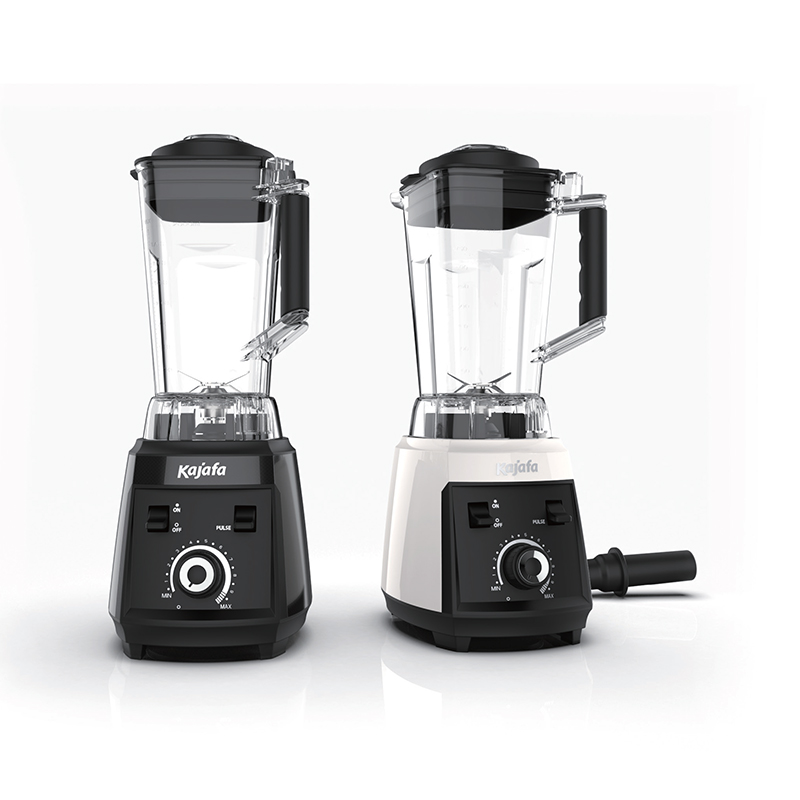 High-Power 1200W Countertop Blender with 2000ml Jar for Smoothies and MoreThis 1200W blender handles frozen fruit, ice, and fibrous greens with ease. Its large 2000ml jar suits family or commercial use, and its multiple functions cover blending, chopping, and grinding, making it a versatile choice for daily smoothie routines.View Product →
A high-speed blender rated 1200 watts or more can process frozen strawberries, banana chunks, and fibrous kale in under 40 seconds. It will also grind coffee beans, oats, and dry spices — tasks a juicer simply cannot do. The cleaning process is reduced to rinsing one jar and running the blender with warm water and soap for 10 seconds.
Which One Fits Your Goal? A Practical Decision Table
The right answer depends on what you are trying to achieve. Here is a straightforward guide based on common health and lifestyle goals.
For a gym routine, the best smoothie formula is one banana, one scoop of protein powder, 10-12 almonds, and a cup of oat milk. That delivers roughly 30 grams of protein, 8 grams of fiber, and healthy fats — something no juice can reproduce in any realistic quantity.
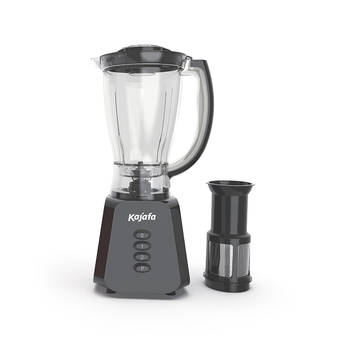
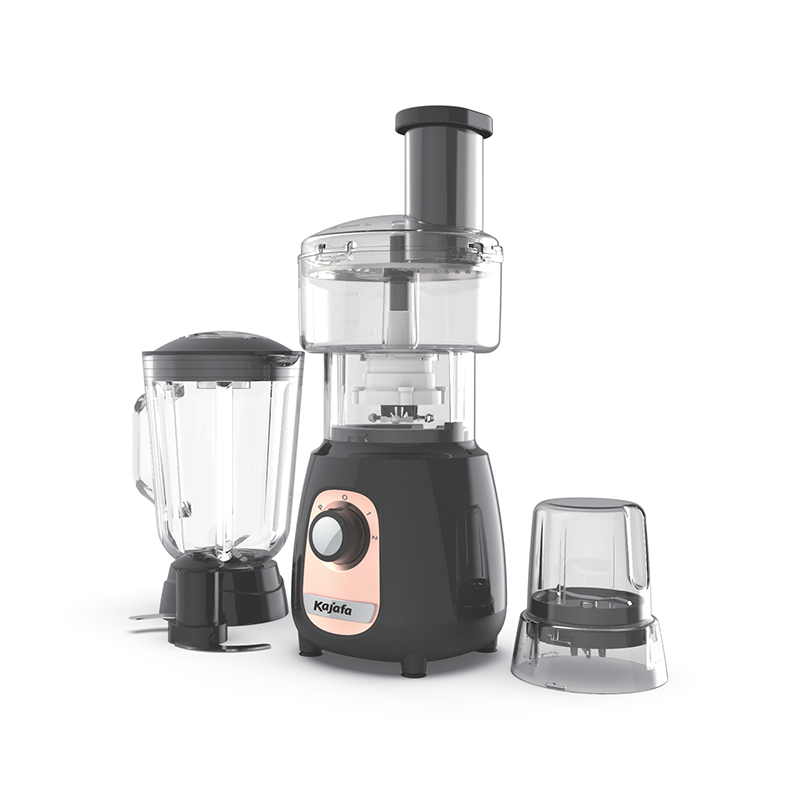
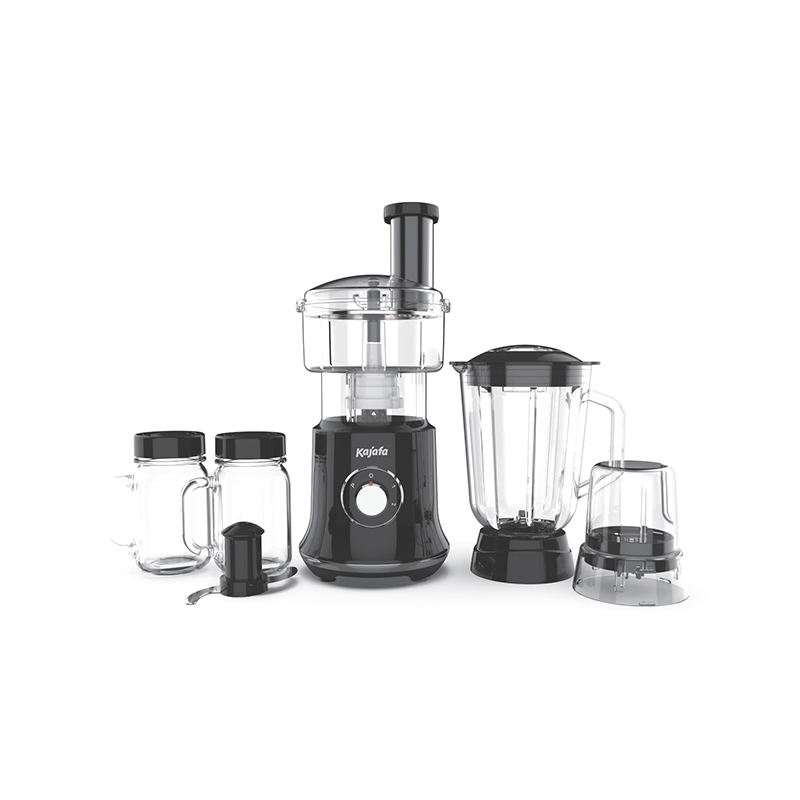
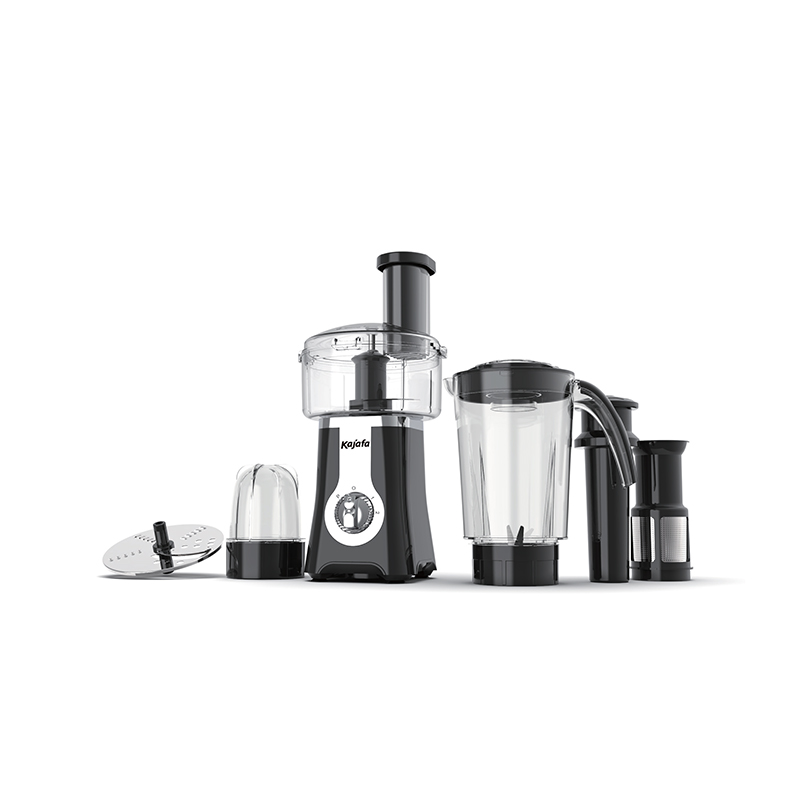 Multifunctional 3-in-1 Blender with Food Processor, Slicer, and GrinderIdeal for gym-goers, this 220W appliance blends smoothies and processes ingredients like nuts and oats. It also slices, shreds, and grinds, offering a cost-effective way to prepare nutritious meals without needing separate machines.View Product →
Cost and Time: A Week of Smoothies vs a Week of Juice
The financial difference becomes obvious over seven days. To make 16 ounces of apple juice, you need about five to six apples. At an average price of $0.50 per apple, that is $2.50 to $3.00 for one glass. A 16-ounce berry-banana smoothie needs one banana, half a cup of frozen berries, and a cup of spinach — about $1.20 to $1.80.
Multiply that over 21 servings a month. Juicing costs $63 to $90. Smoothies cost $25 to $40. That is a difference of $38 to $50 every month in produce alone, before considering the electricity or the waste from leftover pulp.
Time is equally lopsided. Here is a realistic breakdown:
- Juicer cleaning: after every use, you must disassemble the pulp collector, the blade basket, the lid, and the spout. Average time: 3-5 minutes with scrubbing.
- Blender cleaning: rinse the jar, add warm water and one drop of dish soap, run for 10 seconds. Average time: 30 seconds total.
- Produce prep: a juicer requires chopping fruit small enough to fit the feed chute. A blender can take larger chunks, especially if the jar is wide.
- Pulp disposal: a juicer leaves 200-400 grams of wet pulp per use. A blender leaves nothing.
For a busy household, the time saving alone makes the blender the practical choice. The 20 minutes you save per week — from faster cleanup and less chopping — adds up to roughly 17 hours per year.
How to Choose a Blender or Juicer That Fits Your Kitchen
Before you buy anything, answer one question: do you want one appliance for many tasks, or a dedicated machine for one task? If the answer is the first, get a strong blender. If you are committed to a specific juicing routine, buy a quality juicer and accept the cleanup.
Blender Buying Criteria
- Motor power: 500 watts is the bare minimum for smoothies. 1000-1200 watts handles frozen fruit, ice, and fibrous vegetables without stress.
- Blade durability: 304 or 316 stainless steel blades with a thick center column resist bending. Thin blades chip over time on frozen fruit.
- Jar material: Glass is heavier but never warps and does not scratch easily. BPA-free plastic is lighter and more shock-resistant. Both are acceptable; glass tends to last longer visually.
- Speed control: at least two speeds plus a pulse function. Pulse is essential for quickly breaking ice without over-processing.
- Jar capacity: 1.5L is ideal for a family. 300-500ml personal blenders are better for an individual who drinks one smoothie at a time.
Juicer Buying Criteria
- Motor power: 400 watts minimum for soft fruit. 800-1000 watts for hard vegetables like carrots and beets.
- Feed chute size: 80mm wide chute lets you feed large pieces without pre-cutting. Narrow chutes add 2-3 minutes per juice.
- Ease of cleaning: parts that are dishwasher-safe reduce the 5-minute cleanup to a 30-second load.
- Juice yield: masticating juicers give about 15-20% more juice than centrifugal models, which makes a noticeable difference in produce cost.
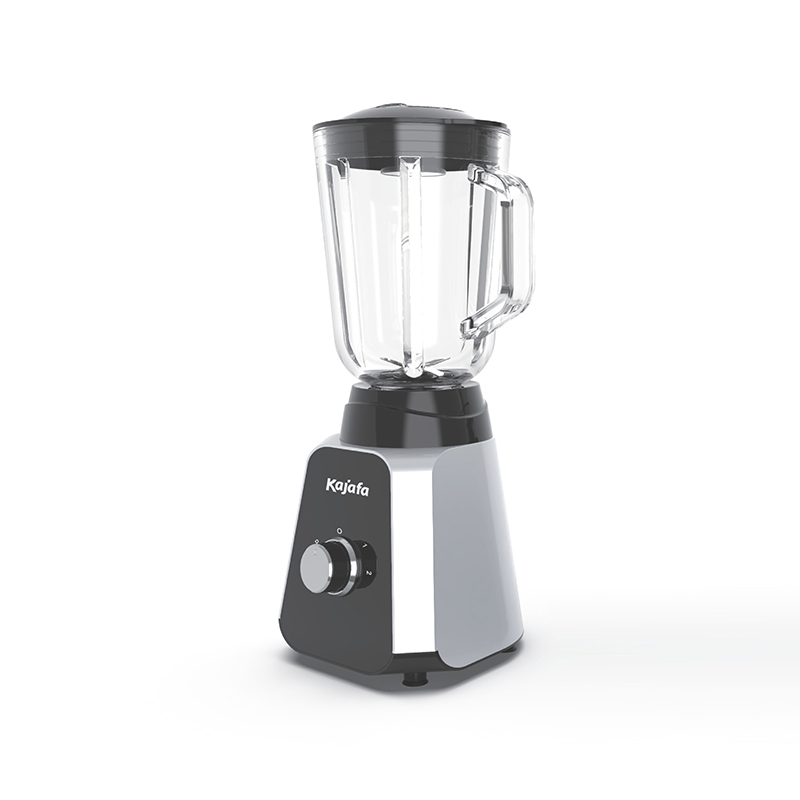
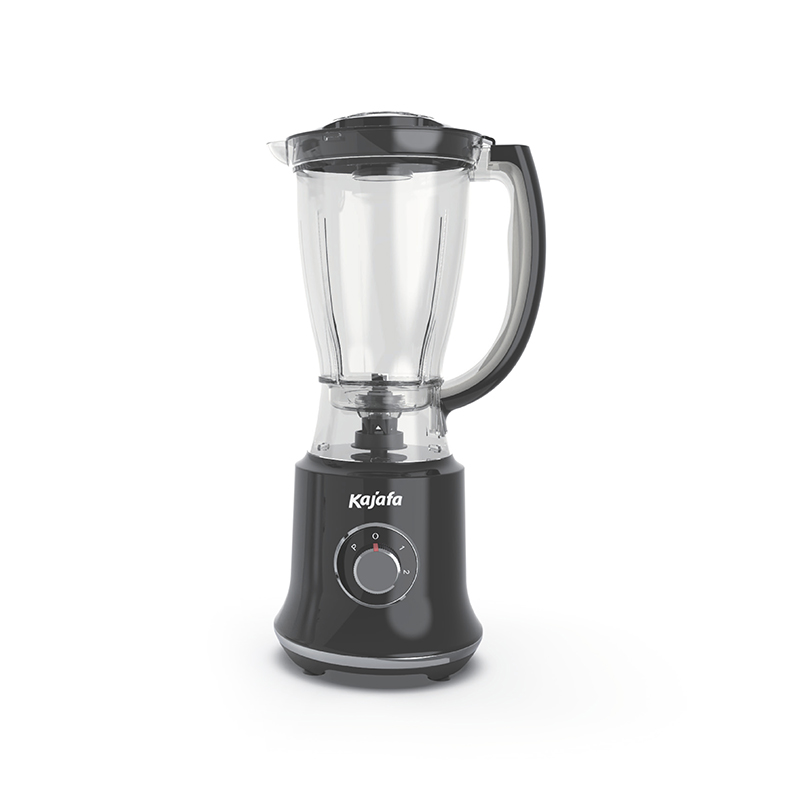
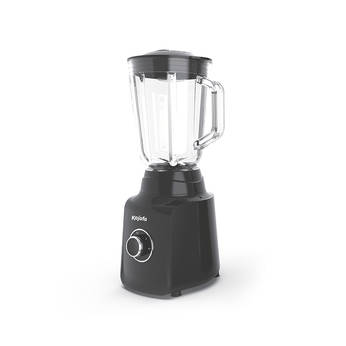
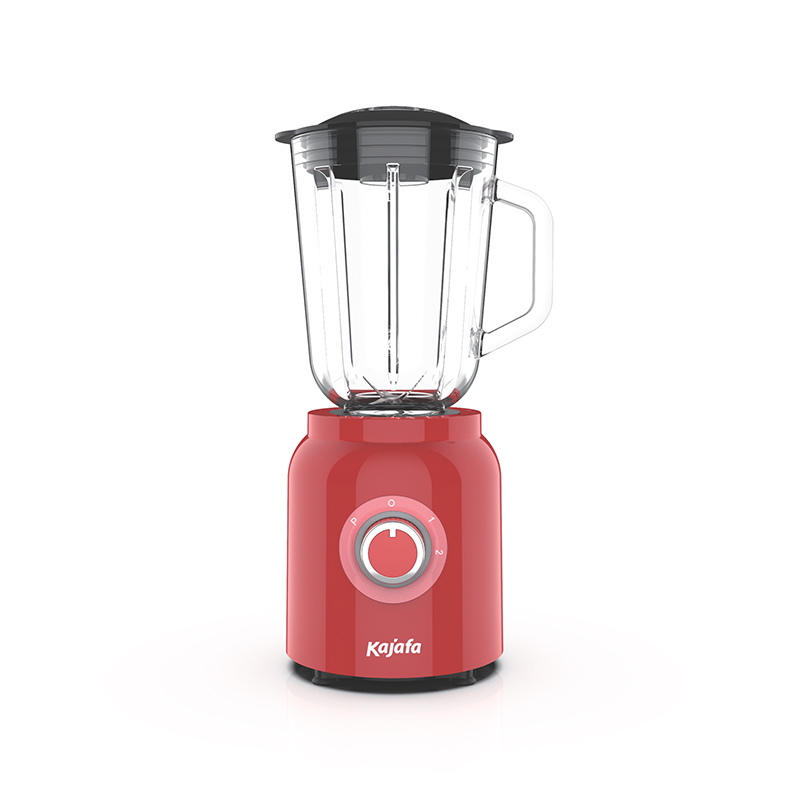 700W Countertop Blender with Glass Jar and Pulse for Smoothies and Crushed IceThis 700W blender with a 1.5L glass jar efficiently makes smoothies, shakes, and crushed ice. Its two speeds and pulse function give control, and while it cannot produce clear juice, it delivers a fine puree that suits most drink preferences.View Product →
FAQ: Smoothie vs Juicing — Common Questions Answered
Can I use a blender to make juice?
Technically no. A blender produces a thick puree, not a clear liquid. But a high-powered blender can make a smoothie so fine that it feels almost like juice. If your true goal is a very thin drink without pulp, you still need a juicer.
Does juicing destroy vitamins?
Juicing destroys some vitamin C through oxidation because the juice is exposed to oxygen during extraction. Blending exposes less surface area, so more vitamin C survives. Vitamins A, E, and K are stable and survive both methods.
Is juicing needed for a detox?
No. Your liver and kidneys perform heavy detox continuously. Juice can support this by increasing water intake and plant compounds, but it is not a prerequisite. A balanced diet with smoothies provides the same benefits.
Which is better for weight loss?
At equal calorie counts, smoothies are better. The fiber and protein increase satiety, helping you eat less later. Juice at the same calorie count is much less filling. A smoothie that weighs 300 calories can keep you full for 3 hours; 300 calories of juice will not.
Can I drink both every day?
Yes, and many people do. A practical routine is a smoothie for breakfast or post-workout, and a small juice in the afternoon when you want a quick micronutrient boost without sitting down to a full meal.
Is pineapple or mango juice OK if I enjoy it?
It is fine, but blend instead of juice. Mango and pineapple have very high natural sugar content. Blending them with spinach, ginger, or lemon balances the sweetness and keeps the fiber in the drink. That combination is far gentler on blood sugar.
How long does each method take to clean?
A blender jar and lid take about 30 seconds under warm running water. A juicer, with its multiple parts — pulp tray, blade basket, lid, and spout — takes 3-5 minutes in the sink. If cleaning matters to you, that difference alone often decides the purchase.
Final Verdict: Choose Based on Your Kitchen and Health Goals
If you are purchasing one appliance for your kitchen, choose a blender. It covers 95% of daily kitchen tasks — smoothies, soups, nut butter, baby food, ground coffee, and crushed ice. A juicer handles only one task and adds 3-5 minutes of cleaning per use.
If you already own a juicer and love it for specific uses, keep it. Juice has a place as a quick vitamin supplement. But for daily nutrition, consistent energy, and a healthier weekly budget, the blender is the winner. Start with a high-powered blender, add a juicer later if your routine genuinely demands one.
Whatever you choose, the real key is consistency. The best drink is the one you will actually make tomorrow morning. For most households, that drink is easier to make in a blender. Explore Kajafa's blender range to match your kitchen size and typical prep volume.