
 英语
英语 中文简体
中文简体

Content
- 1 What Actually Separates Blended Juice From Extracted Juice
- 2 Blood Sugar Response: Where Blended Juice Has the Edge
- 3 Choosing Equipment: Blender, Juicer, or Both
- 4 Best Fruit and Vegetable Combinations for Blended Juice
- 5 How to Make Blended Juice at Home, Step by Step
- 6 Storage, Oxidation, and Shelf Life
- 7 Common Mistakes That Waste a Good Blender or Juicer
- 8 Frequently Asked Questions
- 8.1 Is blended juice healthier than juice from a juicer?
- 8.2 Can I use a regular blender to make blended juice, or do I need a juicer?
- 8.3 Why does my blended juice separate after sitting for a while?
- 8.4 How long does blended juice stay fresh in the fridge?
- 8.5 Does blending destroy the fiber in fruits and vegetables?
- 8.6 What is the best fruit-to-vegetable ratio for blended juice?
- 8.7 Can blended juice replace a meal?
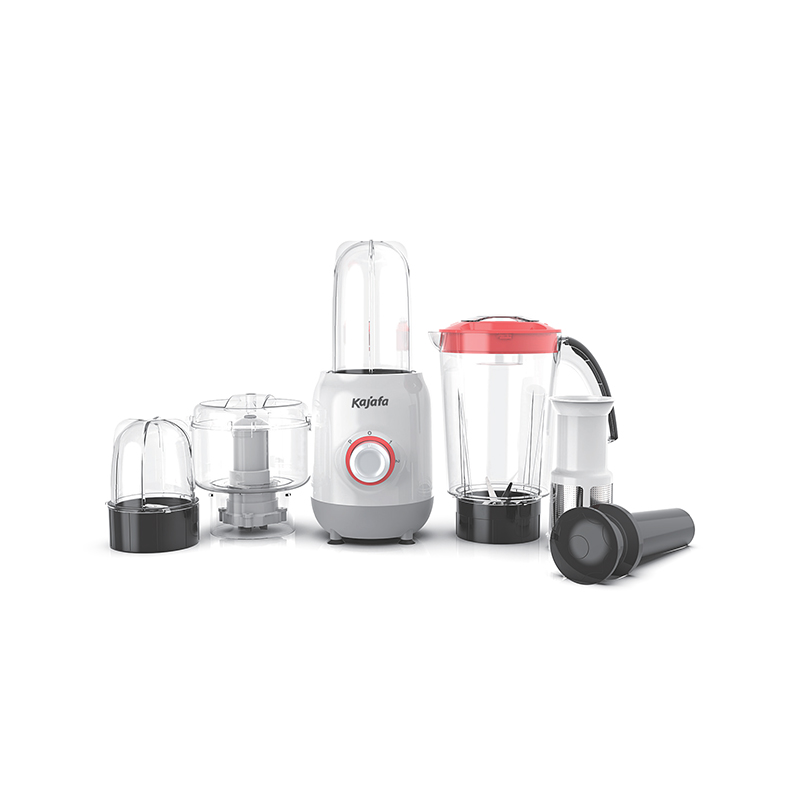
Blended juice keeps the whole fruit or vegetable in the glass - skin, pulp, and fiber included - because it is made in a high-speed blender rather than a juicer that spins liquid away from solids. That single difference changes almost everything about the drink: how filling it is, how it affects blood sugar, how long it stays fresh, and which machine is worth buying. The short version: if you want a thicker, more filling drink that supports steady energy and digestion, blend. If you want a thin, fast-absorbing drink concentrated in vitamins, a dedicated juicer is still the better tool. Most home kitchens end up using both, and this guide breaks down exactly when, why, and how.
What Actually Separates Blended Juice From Extracted Juice
A juicer, whether centrifugal or masticating, applies shear force to rupture plant cell walls and then physically separates the liquid - water-soluble vitamins, sugars, and organic acids - from the insoluble solids: cellulose, lignin, and fiber-bound antioxidants. A blender does the opposite. High-speed blades running at 22,000 RPM tip speed or more do not remove anything; they simply reduce every part of the produce, including the skin and pulp, into small enough particles to drink. The fiber is still there, just broken down rather than filtered out.
The data point that matters most: a peer-reviewed stability trial on spinach-banana blends found 94 percent folate retention after two hours of refrigeration, compared with only 62 percent retention in centrifugally extracted spinach juice (Journal of Food Composition and Analysis, 2020). Fiber loss is not a side effect of juicing - it is the mechanism.
That fiber difference cascades into digestion. A four-week human trial found that 12 grams of daily insoluble fiber - roughly what you get from one blended apple with the skin left on - increased fecal bifidobacteria counts by 2.1 times and boosted butyrate production by 47 percent (Gut Microbes, 2021). Butyrate is a short-chain fatty acid that feeds the cells lining the colon, and juice made with a traditional juicer contains essentially none of the fiber needed to generate it.
Blood Sugar Response: Where Blended Juice Has the Edge
The biggest practical argument for blending over juicing is glycemic impact. In a controlled comparison published in Nutrients, twenty healthy adults drank either whole apples and blackberries or the same fruit blended into juice. The blended version produced a peak glucose rise of 28.8 mg/dL, versus 42.5 mg/dL for the whole fruit eaten separately - and total blood sugar exposure over the test period was about 33 percent lower for the blended drink. A separate nutrient-extraction study measured glycemic index directly: mixed fruit prepared through nutrient-extraction blending scored a GI of 32.7, compared with 66.2 for the same fruit left whole.
| Factor | Blended Juice | Extracted Juicer Juice |
|---|---|---|
| Fiber content | Full, including insoluble fiber | Minimal, soluble fiber only |
| Vitamin C retention (Korean apple study) | Lower - more oxygen exposure | Higher - less turbulence |
| Folate retention after 2 hours | 94 percent | 62 percent |
| Blood sugar spike | Blunted, slower rise | Fast, concentrated rise |
| Satiety | High - can replace a meal | Low - digested quickly |
| Add-ins possible | Nut butter, yogurt, protein powder, oats | Not compatible with most juicers |
Vitamin C is the one nutrient where a dedicated juicer still wins. Centrifugal and masticating juicers introduce less air turbulence than a high-speed blender, and in one Korean produce study, juiced apples retained more than double the vitamin C of the same apples blended. The practical takeaway is not that one method is universally superior - it is that blending trades a small amount of vitamin C for a much larger gain in fiber, fullness, and steadier blood sugar.
Choosing Equipment: Blender, Juicer, or Both
Households serious about both blended juice and traditional juice usually end up owning two machines, because the two jobs ask for different mechanics. A juicer is built to separate; a blender is built to combine.
High-Speed Blender
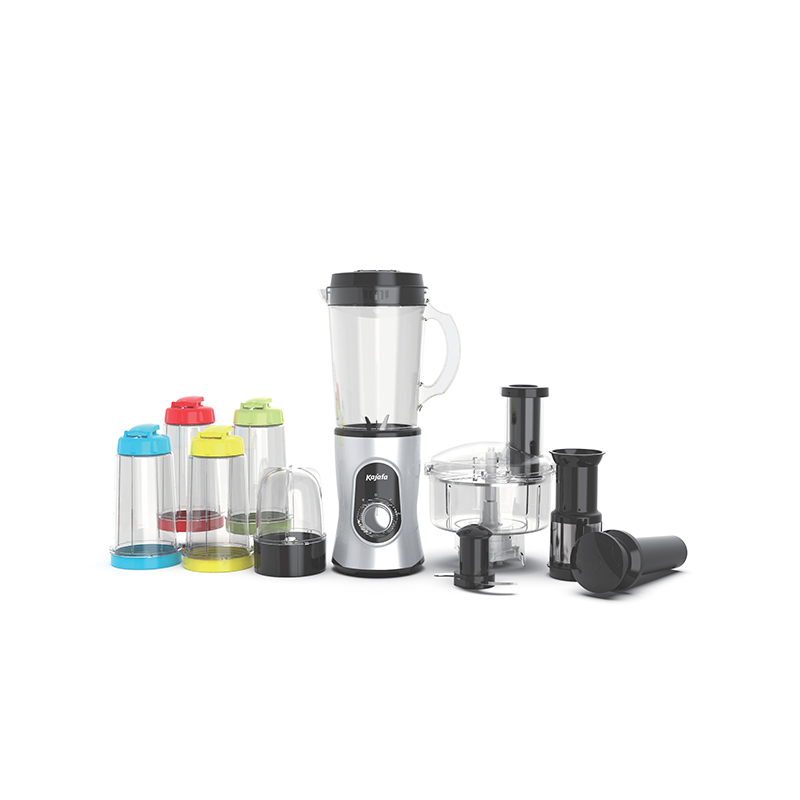
Needed for anything with skins, seeds, leafy greens, or add-ins like oats and nut butter. Look for a motor rated above 1,000 watts and blades that can reach the RPM needed to fully liquefy fibrous stalks like celery and kale without leaving stringy chunks.
Masticating Juicer
Runs slowly, crushes and presses produce rather than spinning it, and handles leafy greens and wheatgrass far better than a centrifugal juicer. Produces a clearer juice with less foam and less oxidation, at the cost of a slower prep time.
Centrifugal Juicer
The fastest option for hard produce - apples, carrots, beets - but generates more heat and air exposure, which is part of why its juice degrades faster and loses more folate within a couple of hours than juice from a masticating machine or a blender.
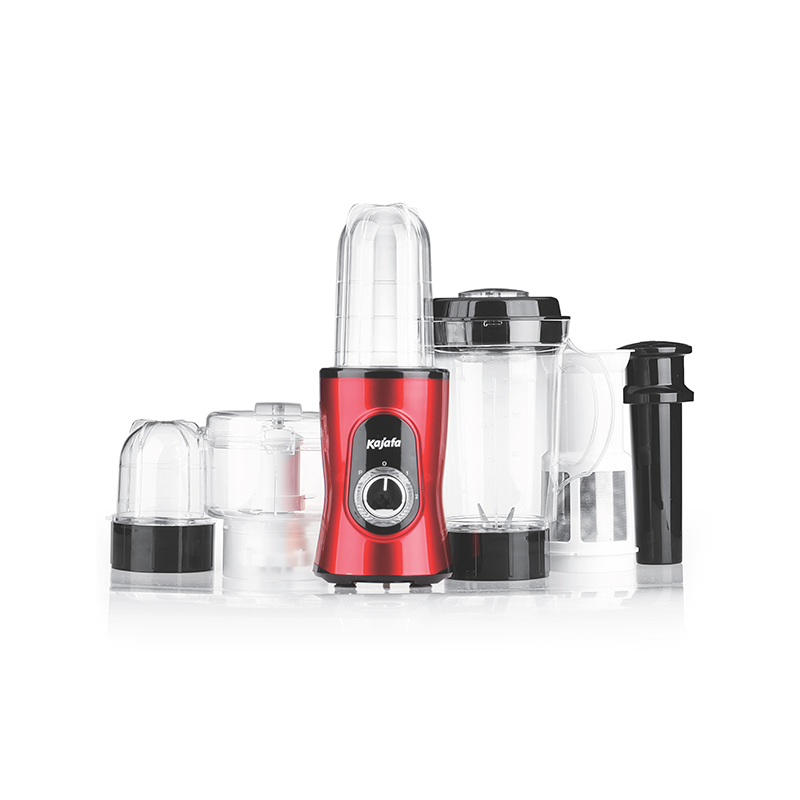
If a household is choosing one machine only, a high-powered blender is the more versatile purchase: it can produce a smooth blended juice, a thick smoothie, nut milk, soup, and even nut butter, while a dedicated juicer can only juice.
Best Fruit and Vegetable Combinations for Blended Juice
The 80-20 rule that professional juice bars use for extracted juice - 80 percent vegetables, 20 percent fruit - applies just as well to blended juice, since it keeps sugar content in check while still tasting good. A few combinations consistently work well for a home blender:
- Carrot, apple, and ginger - a mild, slightly spiced base that blends smoothly and masks the earthiness of carrot.
- Cucumber, celery, and green apple - low in sugar, high in water content, and a good base for adding leafy greens.
- Kale, pineapple, and lime - the pineapple's natural sweetness offsets kale's bitterness far better than apple alone.
- Beet, orange, and carrot - a naturally sweet, deep-colored blend with a strong earthy note that mellows once chilled.
- Spinach, banana, and mango - the fruit sugar covers the spinach flavor almost entirely, which makes it the easiest starting combination for anyone new to green blended juice.
Melon and pineapple are worth calling out specifically: both have a high juice yield and mild flavor, so either one can serve as the base of a blend rather than a minor ingredient, cutting down on how much liquid needs to be added to keep the blender moving.
How to Make Blended Juice at Home, Step by Step
- Wash produce thoroughly. Rinse everything under running water and scrub firm vegetables like carrots and cucumbers with a brush; there is no need to peel produce whose skin is edible, since the skin is exactly where a large share of the fiber and antioxidants live.
- Cut into manageable pieces. Chop everything small enough that the blades can grab it immediately, which reduces total blending time and therefore reduces oxidation.
- Layer liquid first. Add water, coconut water, or a splash of citrus juice to the bottom of the jar before the solids - this keeps the blades from spinning dry and burning out the motor.
- Blend in short pulses. Rather than running the blender on high for minutes at a stretch, pulse until smooth. Shorter blend times mean less heat and less air incorporation, both of which slow nutrient degradation.
- Taste and adjust. Add a squeeze of lemon or lime to brighten flavor and slow oxidative browning at the same time.
- Drink immediately or store cold. Blended juice made from leafy greens and soft fruit is best within a couple of hours; a firm apple-carrot blend can hold in a sealed, chilled container for up to 24 hours with only modest nutrient loss.
Storage, Oxidation, and Shelf Life
Blended juice oxidizes faster than most people expect, because the blending process itself whips air into the liquid. That extra air incorporation - often cited around 10 percent by volume - is part of why nutrient retention research measures a real drop-off within a few hours rather than a few days. Two practical steps slow the process meaningfully:
- Fill storage containers to the very top to minimize the air trapped inside, then seal tightly.
- Refrigerate immediately rather than leaving the blend on the counter, since both heat and light accelerate vitamin loss.
For anyone who wants to prep multiple servings at once, freezing pre-portioned fruit and vegetable pieces ahead of time - rather than freezing the finished blended juice - preserves texture and nutrient content better, since the produce only gets blended once, right before drinking.
Common Mistakes That Waste a Good Blender or Juicer
Over-Blending
Running the machine on high for several minutes generates heat and oxidizes nutrients that a shorter, pulsed blend would preserve. Blend only until the mixture is smooth, then stop.
Treating Juice as a Meal Substitute Long-Term
Store-bought fruit juice averages around 45.5 grams of fructose per liter, not far below a liter of soda at roughly 50 grams. Blended juice made at home with mostly vegetables and controlled fruit ratios avoids this problem, but sweetened, fruit-heavy blends do not.
Ignoring the 80-20 Ratio
Loading a blend with mostly fruit produces a drink that tastes better in the short term but spikes blood sugar the same way a fruit-only juicer drink does. Keeping vegetables at roughly 80 percent of the mix keeps sugar content reasonable.
Using an Underpowered Machine on Fibrous Produce
Celery, kale stems, and pineapple core can leave a stringy, unpleasant texture in a low-powered blender. A juicer-grade blender motor handles these ingredients cleanly in a single pass.
Frequently Asked Questions
Is blended juice healthier than juice from a juicer?
Neither is universally healthier - they serve different purposes. Blended juice keeps the fiber, which supports digestion and steadier blood sugar, while juice from a dedicated juicer delivers a lighter, faster-absorbing dose of vitamins with less volume. Most nutrition guidance treats blending as the better everyday choice and juicing as a useful, occasional supplement.
Can I use a regular blender to make blended juice, or do I need a juicer?
A standard high-speed blender is all that is needed for blended juice, since the entire point is keeping the produce intact rather than separating it. A juicer becomes useful only if the goal is a traditional extracted juice without pulp.
Why does my blended juice separate after sitting for a while?
Separation happens because fiber and pulp are heavier than the liquid and settle over time. It is a physical, not a spoilage, issue - a quick stir or shake brings the drink back to its original texture.
How long does blended juice stay fresh in the fridge?
Leafy green and soft fruit blends are best consumed within two to three hours for peak nutrient content. Firmer combinations like carrot-apple-ginger can be stored in a sealed, chilled container for up to 24 hours with a moderate, measurable nutrient drop rather than a sharp one.
Does blending destroy the fiber in fruits and vegetables?
No. Blending physically reduces fiber into smaller particles but does not remove or chemically break it down. The fiber - and the digestive and blood sugar benefits that come with it - remains fully present in the finished drink.
What is the best fruit-to-vegetable ratio for blended juice?
The commonly used guideline is roughly 80 percent vegetables to 20 percent fruit. This keeps natural sugar content moderate while still giving the drink enough sweetness to be palatable.
Can blended juice replace a meal?
A blended juice built with fiber-dense produce, plus an add-in like nut butter, yogurt, or oats, can function as a meal replacement because the fiber and added protein or fat slow digestion and extend fullness. A thin, fruit-only extracted juice generally cannot.