
 英语
英语 中文简体
中文简体

Content
- 1 The Best Delicious Juice Recipes You Can Make at Home Right Now
- 2 Why Juice Recipes Work Best When You Follow the 80/20 Framework
- 3 Green Juice Recipes That Actually Taste Good
- 4 Root Vegetable Juice Recipes for Energy and Immunity
- 5 Citrus and Tropical Juice Recipes for Maximum Flavor
- 6 Juice Recipes Compared: Nutritional Profiles at a Glance
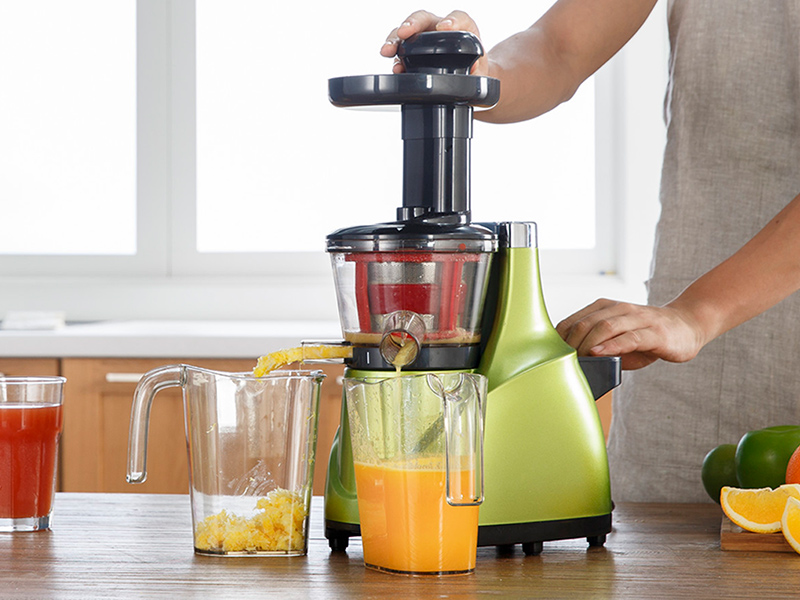
- 7 How Your Juicer Type Affects the Quality of These Recipes
- 8 Beginner Tips for Getting the Most Out of Every Juicing Session
- 9 Advanced Juice Recipes for Experienced Juicers
- 10 Common Mistakes That Ruin Otherwise Good Juice Recipes
- 11 What to Do With Juice Pulp After Juicing
The Best Delicious Juice Recipes You Can Make at Home Right Now
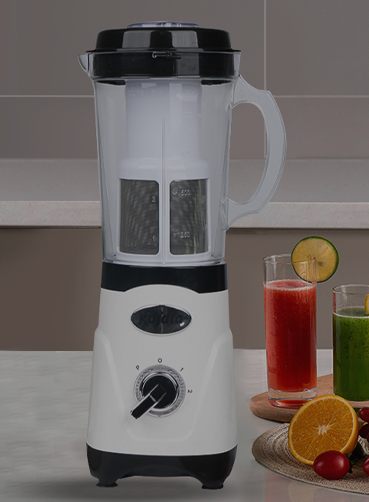
If you want a straight answer: the most consistently crowd-pleasing, nutrient-dense juice recipes are built around three pillars — a leafy green base, a naturally sweet fruit to balance bitterness, and a sharp citrus note to tie everything together. Whether you run your produce through a centrifugal juicer, a masticating cold-press juicer, or a high-speed blender with a straining bag, the ratios matter far more than the equipment. Recipes like the classic Green Goddess (spinach, cucumber, apple, lemon), the Carrot-Ginger Immunity Shot, and the Beet-Berry Power Blend deliver real results — improved energy, better digestion, and flavors that keep you coming back. Below, you will find a complete guide to the best delicious juice recipes, ingredient combinations, nutritional context, and practical tips for getting the most out of your juicer every single day.
A widely cited nutritional review found that fruit and vegetable juice mixtures — those drawing from multiple produce types — offer the greatest cardiovascular benefits, including measurable reductions in blood pressure and improvements in lipid profiles. That finding alone is a strong argument for moving beyond single-ingredient juicing and embracing the blended recipes that most experienced juicers swear by.
Why Juice Recipes Work Best When You Follow the 80/20 Framework
Before diving into specific recipes, it helps to understand the ratio that experienced juicers return to again and again: 80% vegetables to 20% fruit. This balance gives you a broad range of micronutrients without tipping your juice into high-sugar territory. A glass of pure fruit juice can contain as much sugar as a can of soda, while a well-constructed vegetable-forward blend keeps natural sugars modest and nutritional density high.
The 20% fruit component plays a specific role — it softens the earthy, bitter flavors of greens like kale, spinach, and celery, making the juice palatable enough that you will actually drink it daily. Apples are the most popular choice for this job because they add sweetness without overwhelming other flavors and yield a generous amount of juice in any juicer model. Pears work similarly and add a subtle floral note. Pineapple chunks provide tropical sweetness and a mild enzymatic quality that many people find helps with digestion.
This framework applies regardless of which juicer you use. A centrifugal juicer processes produce faster and works well for this ratio because high-water vegetables like cucumber, celery, and zucchini pass through the spinning blade quickly. A masticating or cold-press juicer runs slower but tends to extract more juice from leafy greens, meaning you use less spinach or kale to achieve the same volume — an important practical consideration since greens can be expensive.
Green Juice Recipes That Actually Taste Good
Green juices have a reputation for tasting medicinal or grassy, and that reputation is largely earned by poorly balanced recipes. The recipes below are built to taste genuinely good while delivering serious nutrition. Each one has been structured for easy preparation in a standard juicer at home.
The Green Goddess (Classic Daily Driver)
- 2 large handfuls of baby spinach
- 1 English cucumber, roughly chopped
- 3 stalks of celery
- 1 green apple, cored and quartered
- ½ lemon, peeled
- 1-inch piece of fresh ginger
Feed all ingredients through your juicer, alternating between leafy greens and firmer produce to help the greens move through the feed chute efficiently. The cucumber and celery are high-water content vegetables that essentially act as a liquid carrier for the spinach. The lemon lifts every other flavor and adds a dose of vitamin C that improves iron absorption from the spinach. Spinach itself provides over 400% of the daily value of vitamin K per 100 grams, supporting bone density and healthy blood clotting. The ginger adds a warm, slightly spicy note that most people find transforms the juice from "healthy obligation" to "something I actually look forward to."
Kale, Pineapple, and Mint Refresher
- 4 large kale leaves, stems removed
- 1 cup fresh pineapple chunks
- 1 cucumber
- 10 fresh mint leaves
- ½ lime, peeled
Kale is one of the more challenging greens to run through a centrifugal juicer because the leaves tend to spin without feeding properly. The trick is to roll the kale leaves tightly into a ball and push them through wrapped around a cucumber chunk. A masticating juicer handles kale far more efficiently, often extracting 20-30% more juice from the same weight of leaves compared to a centrifugal model. The pineapple's natural sweetness completely masks kale's bitter edge, while mint introduces a cooling finish that makes this recipe particularly appealing in warm weather.
Cucumber Celery Detox Blend
- 2 cucumbers
- 6 stalks of celery
- 1 green apple
- 1 lemon, peeled
- Small bunch of parsley
This is one of the highest-yield juice recipes in terms of liquid output per weight of produce. Cucumber is roughly 96% water, and celery is close behind at around 95%. Running them through a juicer produces a large glass of pale green, mildly flavored juice with a clean, neutral taste that is easy to drink even first thing in the morning before your palate is fully awake. Parsley contributes a detox-associated compound called apigenin and gives the juice a pleasant herbal quality without being overpowering.
Root Vegetable Juice Recipes for Energy and Immunity
Root vegetables — carrots, beets, ginger, and turmeric — are among the most rewarding ingredients to run through a juicer. They yield dense, vibrant juice packed with beta-carotene, betalains, and anti-inflammatory compounds. Their natural sweetness also means you can build satisfying recipes with very little added fruit.
Classic Carrot Ginger Immunity Juice
- 6 medium carrots, tops removed
- 2-inch piece of fresh ginger
- 1 orange, peeled
- ½ lemon, peeled
- ½ teaspoon turmeric powder (or 1-inch fresh turmeric root)
Carrots are one of the most juicer-friendly vegetables available. Their firm, dense structure feeds smoothly through any feed chute, and six medium carrots yield approximately 200ml of juice — enough for a small but intensely flavored glass. Carrot juice is one of the richest dietary sources of beta-carotene, which the body converts to vitamin A for eye health, skin regeneration, and immune function. Adding fresh turmeric root (rather than powder) gives you a more bioavailable form of curcumin, the compound responsible for turmeric's anti-inflammatory properties. The orange and lemon round out the flavor with citrus brightness and add a meaningful vitamin C boost.
Beet Berry Power Blend
- 2 medium beets, peeled and quartered
- 1 cup strawberries
- 1 apple
- ½ lemon, peeled
- 1-inch piece of fresh ginger
Beet juice has become one of the most researched functional beverages in sports nutrition. Studies on beetroot juice consumption show that the dietary nitrates in beets can improve endurance performance by increasing oxygen delivery to working muscles, with some research showing measurable effects within 2-3 hours of consumption. The betalains responsible for beet's deep red color are also potent antioxidants. When you combine beet with strawberries in a juicer, the flavors meld into something genuinely delicious — earthy sweetness from the beet with bright, jammy berry notes from the strawberries. One practical note: beets stain everything they touch, including the inside of your juicer, so run a piece of apple or cucumber through last to flush the color out before cleaning.
Carrot Orange Apple Morning Juice
- 4 carrots
- 2 oranges, peeled
- 1 apple
- Small piece of ginger (optional)
This is arguably the most beginner-friendly recipe on this list because every ingredient is familiar, the resulting juice is sweet and crowd-pleasing, and the color — a vivid deep orange — makes it feel like a treat. It is an excellent first recipe to run through a new juicer because the firm texture of carrots and apples feeds easily without jamming, giving you a feel for the machine's speed and capacity before you try more delicate produce like leafy greens.
Citrus and Tropical Juice Recipes for Maximum Flavor
Citrus and tropical fruits produce some of the most naturally delicious juice recipes with minimal effort. They are high-yield, naturally sweet or balanced, and pair well with both other fruits and a range of vegetables. These recipes tend to be the ones people make when they want something genuinely enjoyable rather than strictly medicinal.
Watermelon Lime Cooler
- 3 cups seedless watermelon chunks (rind removed)
- 1 lime, peeled
- 10 fresh mint leaves
- Optional: pinch of sea salt to enhance sweetness
Watermelon is composed of approximately 92% water, making it one of the highest-yield ingredients for any juicer. Three cups of watermelon chunks will produce close to 400ml of fresh juice. Watermelon is rich in lycopene — a carotenoid antioxidant associated with reduced risk of certain cancers and cardiovascular protection — and contains citrulline, an amino acid that the body converts to arginine, supporting healthy blood flow. This recipe is pure summer in a glass.
Pineapple Cucumber Mint Refresher
- 1.5 cups fresh pineapple chunks
- 1 cucumber
- 1 lime, peeled
- 12 mint leaves
- ½ inch fresh ginger
Pineapple contains bromelain, a group of enzymes with well-documented anti-inflammatory and digestive benefits. Running fresh pineapple through a juicer — particularly a cold-press juicer that operates at low temperatures — preserves more bromelain activity than heat-processed commercial pineapple juice. The cucumber acts as a neutral, hydrating base, while the lime and ginger keep the flavor profile lively and prevent the juice from tasting flat or cloying.
Cranberry Citrus Immunity Blend
- 1 cup fresh cranberries
- 2 oranges, peeled
- 1 grapefruit, peeled
- 1 apple
- Optional: 1 teaspoon raw honey to balance tartness
Fresh cranberries are intensely tart — more so than most people expect — but when balanced with orange and apple in a juicer, the result is a bright, complex juice with a pleasant sweet-tart finish. Cranberries are high in proanthocyanidins, compounds associated with urinary tract health, and contain one of the highest concentrations of antioxidants among common fruits. The apple adds body and sweetness, while the grapefruit deepens the citrus character significantly.
Juice Recipes Compared: Nutritional Profiles at a Glance
The table below summarizes the approximate nutritional highlights of the key juice recipes covered in this guide. Values are estimates based on standard ingredient quantities and will vary depending on produce freshness, variety, and juicer extraction efficiency.
| Recipe | Key Nutrients | Primary Health Benefit | Best Juicer Type | Approx. Sugar Level |
|---|---|---|---|---|
| Green Goddess | Vitamin K, C, Iron, Folate | Immunity, Bone Health | Masticating | Low (8–10g) |
| Carrot Ginger Immunity | Beta-carotene, Vitamin C, Curcumin | Immune Support, Anti-inflammatory | Any Juicer | Moderate (12–15g) |
| Beet Berry Power | Nitrates, Betalains, Anthocyanins | Athletic Endurance, Heart Health | Any Juicer | Moderate (14–18g) |
| Watermelon Lime Cooler | Lycopene, Citrulline, Vitamin C | Hydration, Cardiovascular | Centrifugal | Low-Moderate (10–13g) |
| Cranberry Citrus Blend | Proanthocyanidins, Vitamin C | Urinary Health, Antioxidant | Any Juicer | Low-Moderate (11–14g) |
| Kale Pineapple Mint | Vitamin K, C, Bromelain, Magnesium | Digestion, Bone Support | Masticating | Low-Moderate (9–12g) |
How Your Juicer Type Affects the Quality of These Recipes
The juicer you use is not just a matter of convenience — it directly affects the flavor, nutrient density, and shelf life of every recipe you make. Understanding the difference between the main juicer categories helps you choose recipes that play to your machine's strengths and manage your expectations honestly.
Centrifugal Juicers
A centrifugal juicer uses a high-speed spinning blade (typically 6,000–14,000 RPM) to shred produce and separate juice from pulp through centrifugal force. These machines are fast — most recipes take under 5 minutes from start to finish — and they handle hard produce like carrots, apples, and beets exceptionally well. The main tradeoff is with leafy greens. Because the blade spins rather than presses, leafy greens often pass through with less juice extracted than a masticating model would achieve. The heat generated by the high-speed motor also accelerates oxidation, meaning juice from a centrifugal juicer should ideally be consumed within 24 hours and stored in an airtight container in the coldest part of the refrigerator.
Best recipes for a centrifugal juicer: carrot-based blends, watermelon cooler, citrus combinations, and any recipe that prioritizes fruit over leafy greens.
Masticating (Cold-Press) Juicers
A masticating juicer uses a slow-turning auger (typically 40–80 RPM) to crush and press produce against a filter, squeezing out juice with minimal heat or air introduction. The slower process is notably better for leafy greens — kale, spinach, wheatgrass, and herb additions like parsley and mint yield significantly more juice in a masticating juicer than in a centrifugal model. Because oxidation is reduced, cold-press juice can be stored for up to 72 hours without significant nutrient loss — a meaningful practical advantage if you batch-prep your juice for the week. The downside is prep time and cleanup: most masticating juicers require more careful produce preparation and have more parts to clean.
Best recipes for a masticating juicer: Green Goddess, Kale Pineapple Mint, any wheatgrass shots, and herb-forward blends where extraction efficiency matters most.
Citrus Juicers
A dedicated citrus juicer — the simple press or electric reamer style — is the most efficient tool for processing oranges, grapefruits, lemons, and limes. While its functionality is limited to citrus, a citrus juicer is worth keeping alongside a multi-purpose juicer because it extracts juice from citrus fruits far more efficiently and leaves minimal bitter pith flavor in the output. When your juice recipes call for a lemon or orange as a flavor element, using a citrus juicer to extract that portion separately before combining gives you cleaner, brighter citrus flavor than running whole peeled citrus through a general juicer.
Beginner Tips for Getting the Most Out of Every Juicing Session
The most common reasons people abandon their juicer after a few months are cost, time, and cleanup. Addressing those pain points directly makes the habit sustainable and the results consistently good.
Buy Produce That Is On Season
Seasonal produce is less expensive, more flavorful, and at peak nutritional density. A bag of carrots in winter costs a fraction of what mangoes do, and carrot-based juice recipes are among the most nutritionally dense available. Planning your juice recipes around what is currently cheap and abundant at your local market reduces the per-glass cost significantly — in many cases bringing it well below the $8–12 that cold-pressed juice costs at commercial juice bars.
Prep Ingredients in Batches
One of the most effective habit-building strategies for regular juicing is to prepare and portion your ingredients once or twice a week rather than chopping fresh produce every morning. Wash and cut your produce, portion each recipe into separate containers or zip-lock bags, and refrigerate. When you want a glass of juice, you open a bag, feed the contents through your juicer, and clean up — the whole process takes under 10 minutes. This approach removes the friction that causes most people to skip their morning juice when they are in a hurry.
Clean Your Juicer Immediately After Use
This is the single most important operational tip for any juicer. Juice pulp dries out quickly and becomes extremely difficult to remove once it has set. If you clean the filter basket, auger, and collection bowl within 5 minutes of finishing your juice, the entire process takes 2-3 minutes under running water. Leave it for an hour and you are looking at soaking and scrubbing. Most modern juicer components are dishwasher-safe on the top rack, which simplifies cleanup considerably — check your specific model's manual to confirm which parts qualify.
Add Citrus to Extend Juice Freshness
The vitamin C and natural acids in lemon, lime, and orange juice act as natural preservatives that slow oxidation and browning in fresh juice. Adding the juice of half a lemon to any green juice recipe not only improves flavor but extends the window during which the juice remains fresh-tasting from about 24 hours to closer to 48. This is particularly useful if you are using a centrifugal juicer, which introduces more air during processing. Store juice in a glass jar filled completely to the top (minimizing air space) with the lid sealed tightly, kept toward the back of the refrigerator where temperatures are most consistent.
Start With 2-4 Ingredient Recipes
When you are first establishing a juicing routine, resist the urge to make elaborate 10-ingredient recipes. Simple combinations — carrot and orange, apple and ginger, cucumber and lemon — let you taste each ingredient's contribution clearly and build an intuitive sense of what works together. Once you understand how individual ingredients behave in a juicer and how they interact flavour-wise, you can confidently experiment with more complex recipes without producing something undrinkable. Most experienced juicers settle on 3-5 recipes they rotate weekly rather than chasing variety constantly.
Advanced Juice Recipes for Experienced Juicers
Once you have the basics down and your juicer is part of your daily routine, these more complex recipes reward the investment with layered flavors and serious nutritional depth.
The Anti-Inflammatory Golden Blend
- 4 carrots
- 2-inch fresh turmeric root
- 2-inch fresh ginger root
- 1 orange, peeled
- 1 lemon, peeled
- Small pinch of black pepper (added after juicing — improves curcumin absorption by up to 2,000%)
This recipe targets chronic inflammation directly. Turmeric and ginger are both well-documented anti-inflammatory compounds, and the black pepper trick is backed by research: piperine in black pepper dramatically improves the body's ability to absorb curcumin. The carrots and orange provide a sweet, warming flavor base that makes the turmeric and ginger palatable in meaningful quantities. Run the turmeric and ginger through the juicer wrapped between carrot pieces to prevent them from slipping through without full contact with the blade or auger.
Deep Green Chlorophyll Boost
- 4 kale leaves
- 2 handfuls spinach
- ½ head of romaine lettuce
- 3 stalks celery
- 1 cucumber
- 1 green apple
- 1 lemon, peeled
- Small handful of fresh parsley
This recipe is best made in a masticating cold-press juicer, which handles the volume and variety of leafy greens far more effectively than a centrifugal model. The result is a deeply green, concentrated juice that delivers a broad spectrum of chlorophyll, B vitamins, iron, magnesium, and folate. For people who find it difficult to eat sufficient vegetables throughout the day — whether due to time, taste preferences, or cooking logistics — this single glass provides a meaningful nutritional contribution toward daily targets.
Spiced Apple and Fennel Juice
- 3 apples, cored and quartered
- ½ fennel bulb with fronds
- 2 stalks celery
- 1 lemon, peeled
- 1-inch ginger
Fennel has a distinctive anise-like flavor that divides opinion when eaten raw but becomes far more subtle and pleasant when juiced. It contains anethole, a compound with documented anti-inflammatory and anti-bacterial properties, and is traditionally associated with digestive relief. Combined with the natural sweetness of apple and the lift of lemon and ginger, this produces one of the most sophisticated-tasting juice recipes in this guide — something that genuinely surprises people who expect health juice to taste like medicine.

Common Mistakes That Ruin Otherwise Good Juice Recipes
Even with good ingredients and a well-functioning juicer, a handful of consistent mistakes can undermine the results of otherwise solid recipes.
- Using too much fruit: A juice that is majority fruit juice is essentially flavored sugar water. It tastes great but provides minimal nutritional benefit compared to a vegetable-forward blend. Keep fruit at 20-30% of total ingredients by weight.
- Not peeling citrus fully: Citrus peel contains bitter compounds that can overwhelm a juice and make it unpleasant. Always peel oranges, grapefruits, and lemons fully before feeding them through any juicer, leaving only the white pith if you want some of the bioflavonoid content.
- Overloading the juicer: Feeding too much produce too quickly into a centrifugal juicer causes jamming and produces less juice overall. Feed produce slowly and steadily, using the pusher firmly but without forcing. Patience at this stage directly improves your juice yield.
- Storing juice in a half-empty container: Air in the container accelerates oxidation and nutrient degradation. Fill your storage jar as close to the brim as possible, or use a vacuum-seal pump designed for wine or food storage to remove excess air before refrigerating.
- Juicing very hard produce without preparation: Whole beets, very large carrots, and hard winter squash can strain or damage some juicer models if fed in large pieces. Cut firm produce into chunks no wider than your juicer's feed chute before processing, and alternate hard pieces with softer produce to ease the load on the motor.
- Skipping the ginger or acid element: Many juice recipes taste flat without a sharpening agent. Fresh ginger, lemon juice, lime juice, or a small amount of apple cider vinegar can transform a dull, earthy blend into something bright and craveable. If a recipe tastes heavy or boring, add a squeeze of lemon before anything else.
What to Do With Juice Pulp After Juicing
One underappreciated aspect of regular juicing is the volume of pulp your juicer produces as a byproduct. For every 250ml of juice, a centrifugal juicer typically generates 150–200g of pulp. Throwing this away every day feels wasteful — and it is, because pulp retains most of the fiber that fresh juice lacks.
Carrot and beet pulp can be folded directly into muffin or quick-bread batter as a moisture-adding fiber supplement. Vegetable pulp from green juice recipes — celery, cucumber, and spinach blends — works well in vegetable patties or mixed into soup stocks where it simmers and dissolves. Apple pulp can be used in oatmeal, mixed with cinnamon and honey and baked as simple snack balls, or added to yogurt. Fruit pulp from citrus-heavy blends can go into salad dressings, marinades, or dehydrated into fiber-rich crackers. None of these uses require special equipment beyond what most home kitchens already have, and they meaningfully reduce food waste while adding fiber back into your diet.