
 英语
 中文简体


Content
- 1 Why Blending Vegetables Is the Smartest Diet Shortcut
- 2 The Real Secret Behind Great Vegetable Drinks: Breaking Down Fiber
- 3 The Golden Ratio: 60/30/10 Formula for Foolproof Vegetable Blends
- 4 5 Easy Vegetable Blender Recipes (With Exact Measurements)
- 5 How to Choose the Right Vegetable Blender for Your Kitchen
- 6 Batch Blending: The 5-Minute Meal Prep Hack
- 7 Troubleshooting Common Vegetable Smoothie Problems
- 8 Frequently Asked Questions About Vegetable Blender Recipes
- 8.1 Can I use frozen vegetables instead of fresh ones in these recipes?
- 8.2 What is the ideal blender wattage for making vegetable smoothies?
- 8.3 How do I mask the strong taste of kale in a smoothie?
- 8.4 Is blending vegetables better than eating them raw?
- 8.5 Do I need to peel cucumber and zucchini for vegetable smoothies?
- 9 Bottom Line: Blend Smart, Drink Deliciously
Why Blending Vegetables Is the Smartest Diet Shortcut
Fitting five servings of vegetables into a busy schedule is genuinely hard. You can chop, steam, or roast them, but that takes time and willpower. Blending is the single fastest way to consume a large volume of nutrient-dense produce in one sitting, with almost zero prep and zero cooking time.
However, there is a catch. The reason many homemade vegetable smoothies taste like muddy grass is not just the vegetables themselves. It is the ratio of ingredients and the capability of your blender. A leafy green like kale or spinach contains tough cellulose fibers that require a high-speed motor to break down into a silky texture. A weak blender leaves tiny fibrous chunks that ruin the mouthfeel and suppress your appetite.
According to USDA FoodData Central, one cup of raw kale provides over 100% of your daily Vitamin K requirement and is rich in Vitamin C and manganese. But these micronutrients are locked inside rigid plant cell walls. Chewing only breaks down about 25% of those cells. A powerful blade system can release up to 90% of the nutrients, making them easier for your digestive system to absorb. This is precisely why the appliance you choose matters just as much as the recipe you follow.
The Real Secret Behind Great Vegetable Drinks: Breaking Down Fiber
Here is the conclusion upfront: You need at least 800W of true motor power to efficiently pulverize raw vegetables like spinach, beets, or carrots. Standard 300W blenders are designed for milkshakes and soft fruits. When you load them with fibrous vegetables, they strain to rotate the blades, the motor heats up the ingredients, and you end up with a chunky, lukewarm puree instead of a smooth drink.
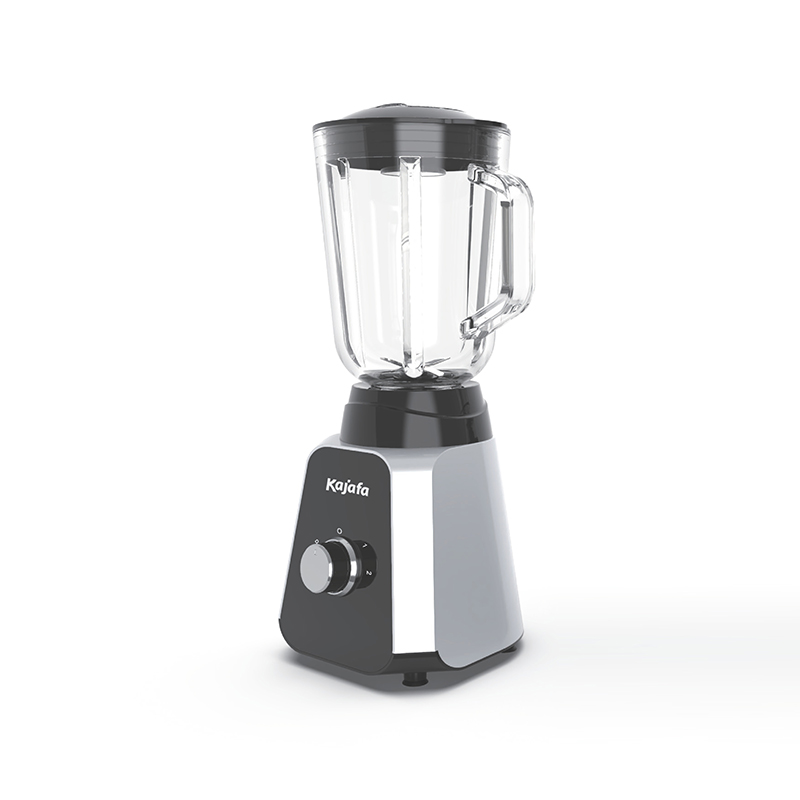
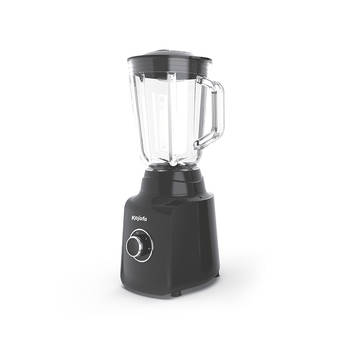
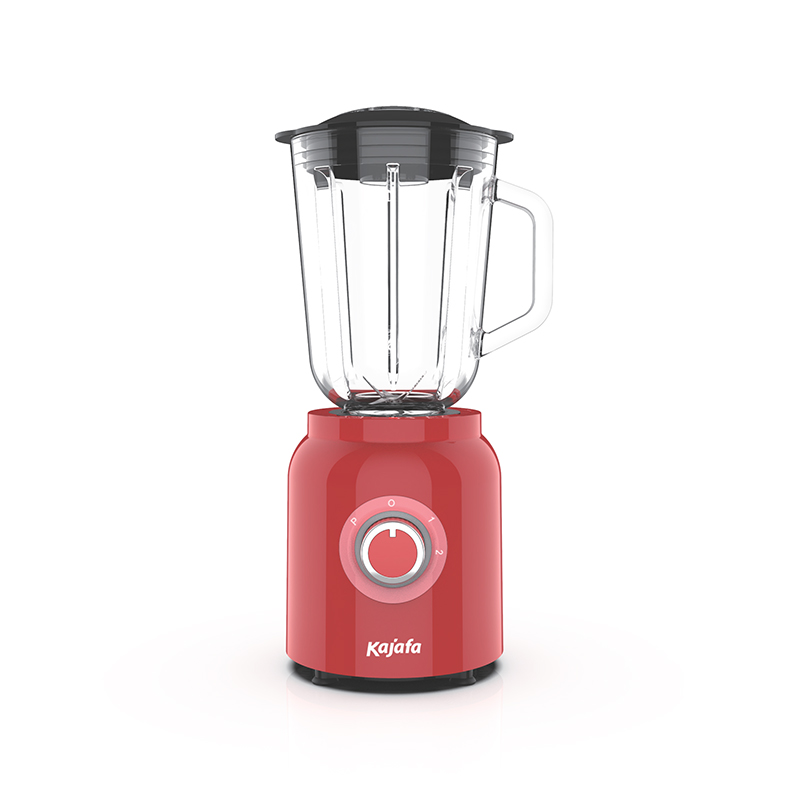
The physics are simple. The cell walls of leafy greens require a shear force of approximately 60 to 80 m/s imparted by razor-sharp stainless steel blades. A 1200W high-speed blender spins at around 28,000 to 32,000 RPM, generating the friction and hydraulic shear needed to disrupt the cell wall matrix completely. That is why an appliance in the 1000W-1400W range is the recommended sweet spot for vegetable-heavy smoothies. A reliable benchmark is the Kajafa CB1216 1200W high-speed blender, which is purpose-built to crush ice, frozen fruit, and raw vegetables instantly.
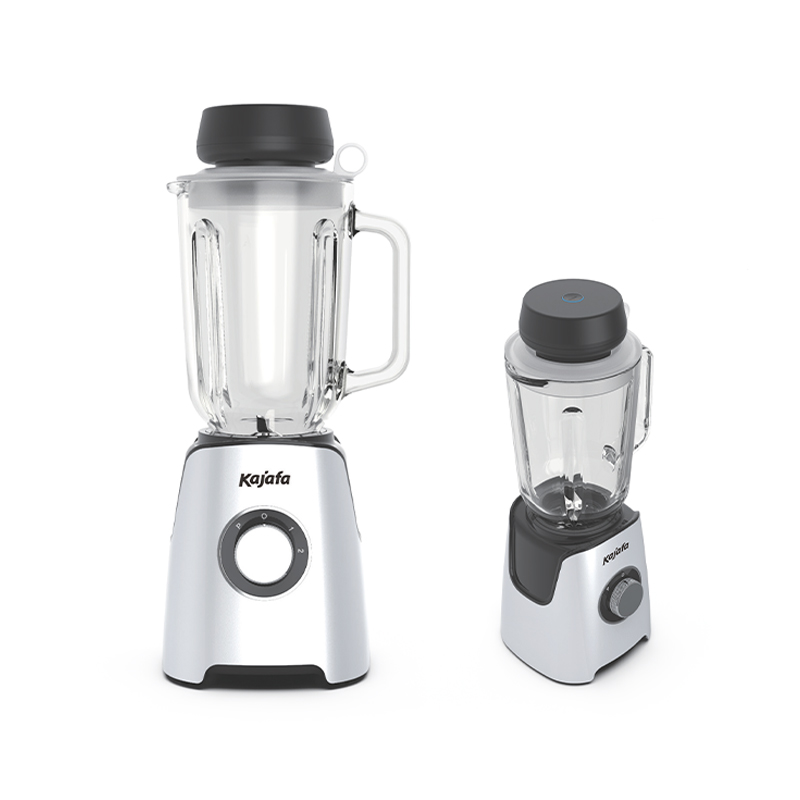
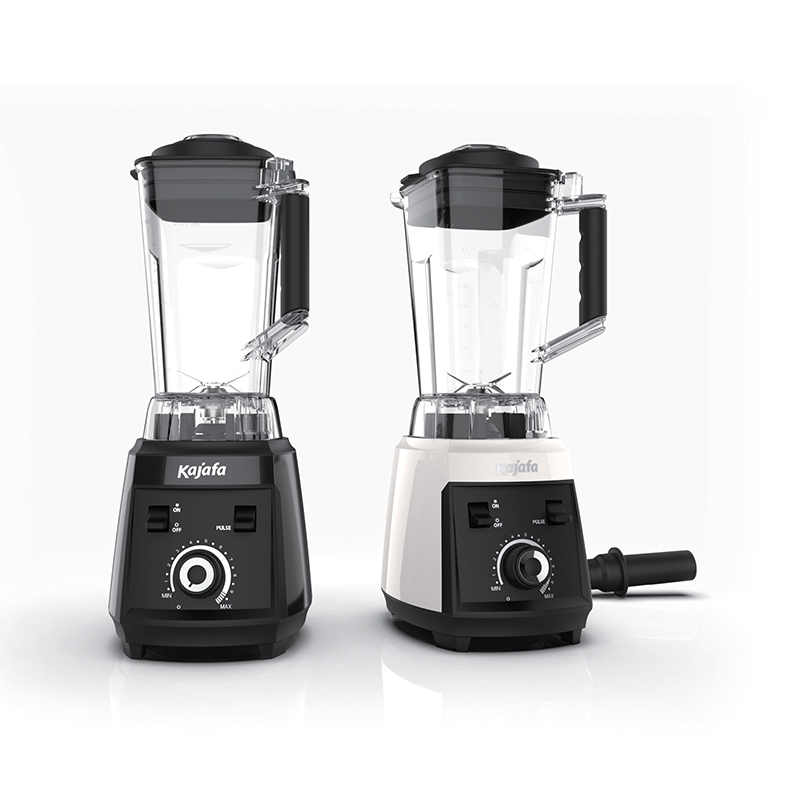 Kajafa CB1216 1200W High-Speed Countertop Blender with 2000ml JarThis 1200W high-speed blender delivers the shear force needed to break down cell walls of leafy greens and raw vegetables, supporting better nutrient absorption in smoothies as discussed in the surrounding text.View Product →
In a 2021 study published in the Journal of Nutrition and Metabolism, researchers observed that high-speed blending significantly increased the bioavailability of beta-carotene from raw carrots when compared to eating them whole or grated. The conclusion was clear: thoroughly breaking down cell walls allows fat-soluble vitamins to bind with the fats in your smoothie (like almond butter or yogurt), allowing your gut to utilize them instead of passing them through.
The Golden Ratio: 60/30/10 Formula for Foolproof Vegetable Blends
The most common mistake when starting vegetable smoothies is overloading them with greens and forgetting the taste-balancing agents. The winning formula observed across hundreds of successful recipes is the 60/30/10 ratio:
- 60% Liquid and soft fruits (water, coconut water, milk, banana, mango)
- 30% Vegetables (spinach, kale, cucumber, zucchini, carrots)
- 10% Boosters (ginger, lemon, chia seeds, protein powder, nuts)
This framework guarantees a smooth texture and a pleasant flavor profile while still delivering a serious vegetable payload. Below is a quick cheat sheet for building your own recipes without needing a blog post for every craving.
| Profile | Liquid (60%) | Vegetables (30%) | Boosters (10%) |
|---|---|---|---|
| Sweet Start | Orange juice + banana | Carrot + beet | Ginger + turmeric |
| Green Machine | Coconut water + kiwi | Spinach + celery | Lemon + mint |
| Creamy Savory | Milk + zucchini | Cucumber + avocado | Basil + lime |
5 Easy Vegetable Blender Recipes (With Exact Measurements)
Here are five tested recipes that deliver outstanding taste and texture. Each recipe serves one adult and can be scaled up for family batches.
1. Beginner's Green Energy Booster
The classic first green smoothie. The pineapple masks the spinach completely, while the avocado adds a buttery body that makes it feel like a treat.
| Ingredient | Amount | Function |
|---|---|---|
| Water | 1 cup (240 ml) | Base liquid |
| Fresh spinach | 2 handfuls (approx 50g) | Leafy green dose |
| Frozen pineapple | 1 cup (150g) | Sweetness + texture |
| Avocado | 1/4 medium | Creaminess |
| Lemon juice | 1 tbsp (15 ml) | Brightness |
Instructions: Add water first, then spinach, avocado, frozen pineapple, and lemon. Blend on high for 45–60 seconds until completely smooth. The result should have no visible leafy flecks.
2. The Beet Berry Heart-Health Mix
Beets are naturally sweet and incredibly nutritious, but they can taste earthy. Mixed with tart berries and banana, that earthiness becomes pleasant and complex.
| Ingredient | Amount | Function |
|---|---|---|
| Almond milk | 1 cup (240 ml) | Base liquid |
| Raw beet, peeled and cubed | 1/2 medium (approx 75g) | Vegetable core |
| Frozen mixed berries | 1 cup (140g) | Antioxidants + tartness |
| Frozen banana | 1 medium | Creaminess |
| Chia seeds | 1 tsp (5g) | Fiber + omega-3 |
Instructions: Place the almond milk and beet cubes at the bottom of the jar. Add berries, banana, and chia seeds. Blend for 60–90 seconds. Let it rest for one minute, then blend again to ensure the beet is fully pulverized.
3. The Savory Cucumber & Ginger Cooler
A refreshing drink that bridges the gap between a smoothie and a cold soup. It is hydrating, has a pleasant kick, and pairs excellently with a high-fiber lunch.
| Ingredient | Amount | Function |
|---|---|---|
| Coconut water | 1 cup (240 ml) | Hydration base |
| Cucumber, seeded | 1 cup chopped (approx 100g) | Vegetable core |
| Celery stalk | 1 medium | Minerals + saltiness |
| Fresh ginger | 1-inch knob (approx 10g) | Anti-inflammatory kick |
| Green apple | 1/2 medium | Slight sweetness |
Instructions: Blend all ingredients on high until the ginger is completely integrated and no celery fibers remain. Serve immediately over ice for a refreshing mid-day boost.
4. Zucchini & Peanut Butter "Healthy Milkshake"
Zucchini is the ultimate hidden vegetable. Its neutral flavor and soft texture blend seamlessly into creamy drinks, making this recipe ideal for picky kids or fitness enthusiasts.
| Ingredient | Amount | Function |
|---|---|---|
| Milk (dairy or plant-based) | 1 cup (240 ml) | Base liquid |
| Zucchini, chopped (peeled optional) | 1 cup (approx 100g) | Hidden vegetable |
| Frozen banana | 1 medium | Sweetness + texture |
| Natural peanut butter | 1.5 tbsp (approx 30g) | Creaminess + protein |
| Rolled oats | 2 tbsp (20g) | Slow-release carbs |
Instructions: Combine all ingredients in a blender. Run the pulse function 5 times, then blend on high for 45 seconds. The oats should be fully dissolved, leaving a thick, milkshake-like consistency.
5. Mango & Turmeric Anti-Inflammatory Smoothie
This recipe uses kale but swaps the usual pineapple for mango. Mango pairs beautifully with fat-soluble turmeric, and a pinch of black pepper multiplies the curcumin absorption by up to 2,000%.
| Ingredient | Amount | Function |
|---|---|---|
| Orange juice | 1 cup (240 ml) | Base liquid |
| Kale leaves, stems removed | 2 large leaves (approx 30g) | Leafy green dose |
| Frozen mango | 1 cup (165g) | Sweetness + creaminess |
| Ground turmeric | 1/2 tsp (2.5g) | Anti-inflammatory |
| Black pepper | 1 pinch | Nutrient absorption |
Instructions: Pour the orange juice into the blender jar first. Add kale, mango, turmeric, and pepper. Blend for 60 seconds at high speed, then switch to the pulse mode for 10 seconds to aerate the mixture, enhancing its fluffiness.
How to Choose the Right Vegetable Blender for Your Kitchen
If you are serious about consuming more vegetables, the appliance must be capable. There are three major technical checkpoints to consider before purchasing:
1. Wattage and Motor Torque
Direct conclusion: Choose a blender with at least 800W, ideally 1000W to 1200W. Lower wattage units might handle soft veggies like tomatoes and cucumbers, but they will jam on fibrous roots like carrots and beets. The Kajafa CB1216 uses a 1200W copper-core motor, which maintains consistent blade speed even under heavy loads from dense vegetables.
2. Blade Geometry
Look for hardened stainless steel blades with an aggressive pitch angle. A six-blade layout is better for drawing ingredients downward, ensuring that the vegetables make contact with the cutting surface repeatedly. This reduces the need to stop and stir the mixture constantly.
3. Jar Capacity and Portability
Do you want to drink it at home or on the go? If you make a single serving to take to the office or gym, a personal mini blender with a BPA-free travel cup is a wise complementary addition to your main appliance. Mixing small quantities in a massive 2-litre jug is annoying and inefficient; the ingredients just splatter against the walls.
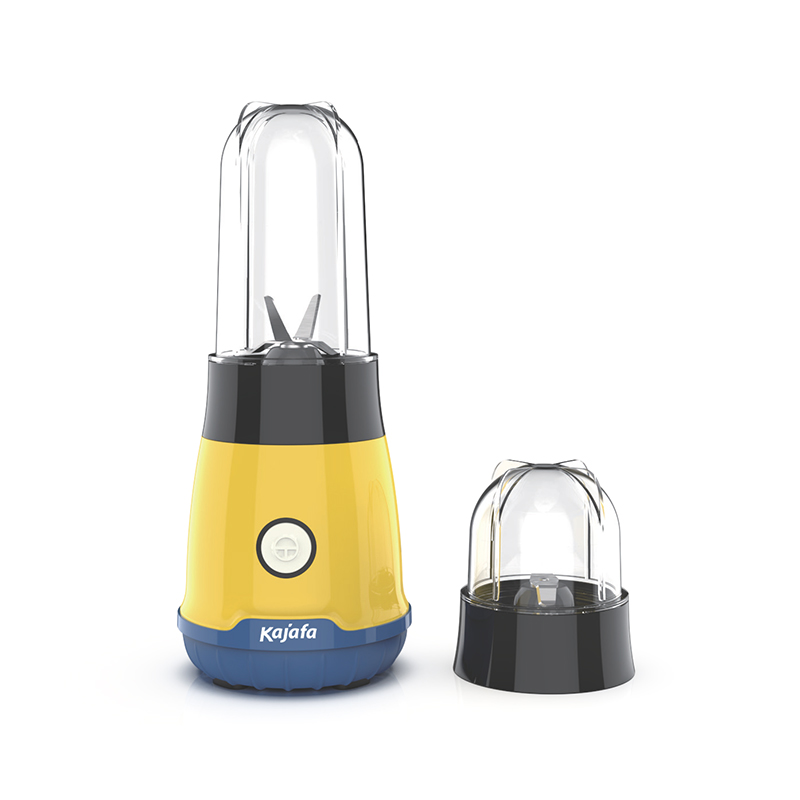 Kajafa BL3325AB-P Personal Blender with Two BPA-Free Travel CupsWith 250W power and 200ml/350ml cups, this compact personal blender suits single servings on the go, avoiding the inefficiency of blending small batches in a large jug.View Product →
When using a travel blender, a quick 30-second spin is usually enough to process leafy greens and soft fruits. This ties perfectly into the fast-paced lifestyle that makes vegetable smoothies so attractive in the first place.
For more in-depth guidance on preserving nutrients during blending, read our detailed analysis on how countertop blenders help retain vitamins in fruits and vegetables.
Batch Blending: The 5-Minute Meal Prep Hack
When you are following a vegetable blender recipe, the biggest enemy is the cleaning time. Batch blending solves this issue entirely.
Here is the proven method: Set aside 30 minutes on Sunday afternoon and assemble pre-portioned freezer packs. Place colorful vegetables like chopped beets, carrots, spinach, and zucchini into sealable bags. When you are ready to drink, dump the contents into the blender, add your chosen liquid, and blend for 60 seconds. No chopping, no prep, and no cleanup beyond a simple rinse.
Studies from the University of California, Davis, indicate that blanching vegetables for 1-2 minutes before freezing can inactivate enzymes that accelerate nutrient loss. However, if you are using a high-powered blender, you can skip the blanching and freeze raw vegetables directly. The blade's shear force mechanically breaks down the fibers, doing the job enzymes would normally do. This preserves the crisp color and prevents oxidation.
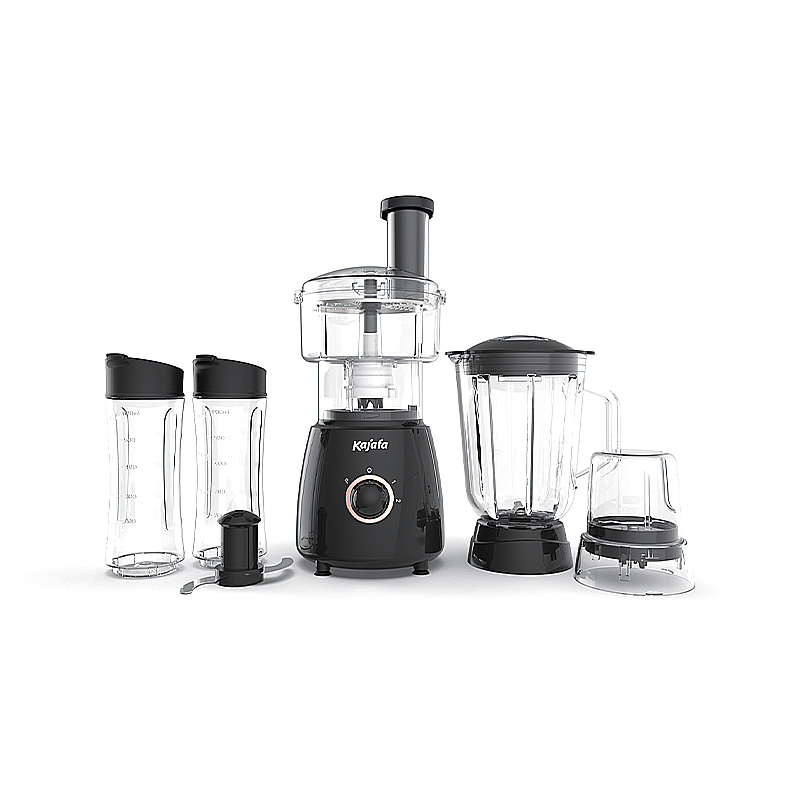
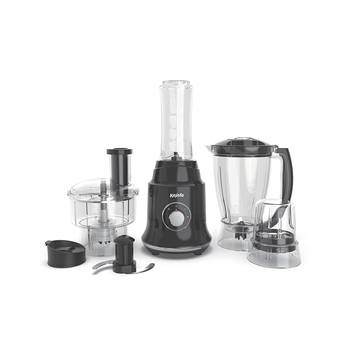
 Kajafa BL465ABEF-G 5-in-1 Food Processor with 1.5L Glass BowlThis 400W 5-in-1 unit combines blending with slicing, shredding, chopping, and mixing, allowing batch prep of vegetables and thicker mixtures like hummus alongside your smoothie routine.View Product →
Batch blending also allows you to leverage a multifunctional food processor. If you want to slice, dice, and shred extra vegetables for the week alongside your smoothie portion, a 5-in-1 unit eliminates the need for multiple appliances cluttering your countertop. A versatile food processor attachment also handles thicker mixtures like homemade hummus, allowing you to prep protein bases to pair with your vegetable drinks.
If you want to expand your equipment knowledge, take a look at our essential tips for buying a countertop blender to ensure you select a unit that suits your batch-cooking lifestyle.
Troubleshooting Common Vegetable Smoothie Problems
Even with excellent recipes, things can go wrong. Here is the direct solution to the four most common issues encountered when using a vegetable blender.
| Problem | Root Cause | Immediate Action |
|---|---|---|
| Gritty or leafy texture | Blade speed is not sufficient to pulverize cellulose | Blend for an additional 30 seconds at maximum speed |
| Mixture is too thick | Not enough liquid for the ratio of ingredients | Add 4-6 oz of water or milk and pulse to incorporate |
| Bitter aftertaste | Kale / Brussels sprouts are not balanced with sweetness | Add a small amount of honey or an extra half-banana |
| Oxidized brown color | Excessive air leading to oxidization | Fill the jar fuller and minimize foam / froth |
Frequently Asked Questions About Vegetable Blender Recipes
Can I use frozen vegetables instead of fresh ones in these recipes?
Yes, frozen vegetables work exceptionally well in smoothies. In fact, a 2015 study by the University of Georgia found that frozen spinach and frozen peas retained significantly more Vitamin C than their "fresh" counterparts displayed in grocery stores after several days of refrigeration. You can substitute frozen vegetables for fresh ones using the same weight, just be sure to reduce the liquid by roughly 20% to avoid a watery blend.
What is the ideal blender wattage for making vegetable smoothies?
Choose a blender with an actual motor rating of 1000W or higher. Blenders below 700W may adequately cut soft vegetables, but they will struggle with fibrous greens, nuts, seeds, and root vegetables. A 1200W motor gives you a reliable margin of error, allowing you to process hard ingredients like beetroot and frozen bananas without intervention.
How do I mask the strong taste of kale in a smoothie?
Kale has a sulfuric, bitter taste that is not universally loved. To mask it effectively, rely on potent natural sweeteners: mango, pineapple, and a touch of lemon. The citrus in the lemon neutralizes the sulfur compounds through a chemical reaction. Additionally, always combine kale with creamy elements like avocado or a banana to coat the palate and reduce perception of bitterness.
Is blending vegetables better than eating them raw?
Blending is not categorically better, but it offers a distinct absorption advantage. When you chew raw vegetables, many nutrients remain trapped in intact plant cells and pass through your digestive system. Blending pre-digests the plant matter, making essential vitamins more readily available to your intestine. However, blending loses its effect if the mixture sits for too long, so consume immediately or refrigerate in a sealed jar for no longer than 24 hours.
Do I need to peel cucumber and zucchini for vegetable smoothies?
No, you do not need to peel them. The skin contains a substantial amount of insoluble fiber and micronutrients—cucumber skin is rich in silica, while zucchini skin contains zeaxanthin, which supports eye health. A high-powered blender will pulverize the skin to a smooth consistency. For lower-powered blenders, the bitter skin chunks can ruin the mouthfeel; in that case, peel the vegetables or use a more powerful appliance.
Bottom Line: Blend Smart, Drink Deliciously
Vegetable smoothies are the ultimate nutritional shortcut, but success is not accidental. Stick to the 60/30/10 ratio, choose a 1200W high-speed blender that can break down fibrous cell walls, and remember to use frozen fruits to improve the texture and temperature without watering down the drink.
Start with the beginner recipes listed above, get comfortable with the measurements, and then begin experimenting with your own ingredient combinations. The world of vegetable-blending is expansive, and with the correct machinery, every glassful will taste precisely how a health mandate should: vivid, satisfying, and rich.