
 英语
 中文简体


Content
- 1 Why Homemade Fruit Drinks Beat Store-Bought Options
- 2 Choosing the Right Blender for Fruit Drinks
- 3 10 Homemade Fruit Drink Recipes to Try This Week
- 3.1 1. Classic Strawberry Banana Smoothie
- 3.2 2. Green Apple and Spinach Cooler
- 3.3 3. Mango Coconut Smoothie
- 3.4 4. Watermelon Mint Freshener
- 3.5 5. Mixed Berry Protein Shake
- 3.6 6. Pineapple Ginger Juice
- 3.7 7. Peach and Oat Breakfast Smoothie
- 3.8 8. Citrus Grapefruit Spritzer
- 3.9 9. Tomato, Orange, and Basil Drink
- 3.10 10. Avocado Cocoa Smoothie
- 4 How to Get the Perfect Texture Every Time
- 5 Common Mistakes That Ruin Homemade Fruit Drinks
- 6 How to Store Homemade Fruit Drinks Properly
- 7 Frequently Asked Questions About Homemade Fruit Drinks
- 7.1 Which fruits work best for homemade fruit drinks?
- 7.2 Can I use frozen fruit instead of fresh fruit?
- 7.3 Why is my homemade fruit drink bitter?
- 7.4 Is there a difference between a blender and a juicer for fruit drinks?
- 7.5 How long should I blend my fruit drink?
- 7.6 Can I make homemade fruit drinks without a blender?
If you want a cold, refreshing drink that tastes like real fruit, making it at home is the fastest and most reliable way to get there. Store-bought juice and smoothies often contain added sugars, preservatives, and only a small percentage of actual fruit. When you blend your own fruit drinks, you control the ingredients, the sweetness, and the texture. This guide gives you practical recipes and measurable techniques so you can create homemade fruit drinks that taste better and cost less than branded alternatives.
Why Homemade Fruit Drinks Beat Store-Bought Options
A 240 ml glass of orange juice from a carton can contain about 21 grams of sugar, while the same amount of freshly squeezed juice from two medium oranges has around 16 grams. That difference may not seem large, but when you consider that many commercial drinks add high-fructose corn syrup and artificial flavors, the real quality of fresh fruit becomes obvious. According to the USDA FoodData Central, one medium orange provides about 62 calories, 3.1 grams of fiber, and 70 mg of vitamin C. By making drinks at home, you keep the fiber and vitamins intact, especially when you use a blender instead of a juicer.
Fresh homemade fruit drinks also give you control over cost. A 1-liter bottle of commercial mango juice can cost more than what you'd spend on five fresh mangoes during peak season. You can prepare 2 liters of smoothie for the same price using a countertop blender and seasonal fruit.
| Beverage Type | Calories | Fiber (g) | Added Sugar (g) |
|---|---|---|---|
| Store-bought apple juice | 115 | 0.2 | 24 |
| Homemade strawberry-banana smoothie | 145 | 3.5 | 0 |
In a smoothie, the fiber from the whole fruit stays in the drink. That fiber slows down sugar absorption and helps you feel full longer. This is one reason why homemade fruit drinks are more satisfying than juice that has been strained.
Choosing the Right Blender for Fruit Drinks
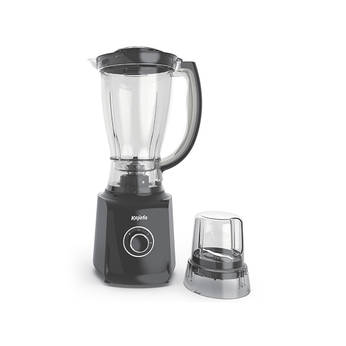
Your blender is the most important tool in this process. The motor power, jar material, and blade design determine whether you get a smooth drink or a chunky mess. For most homemade fruit drinks, you need at least 400 watts of power for processed fruits and 700 watts or more for frozen fruit and ice. A 500-watt blender can handle soft fruits like berries and ripe bananas, but if you plan to use frozen mango chunks or crushed ice, you need a higher wattage machine.
There are three main types of blenders to consider:
- Countertop blenders: These are the most versatile. They come with 1.5-liter or 2-liter jars, which is perfect for making a large batch of fruit drinks for the whole family. Look for models with a pulse function and multiple speeds.
- Mini or personal blenders: These are designed for single servings. They usually come with a travel cup, so you can blend and drink from the same container. They work well for soft fruits, yogurt, and protein powder but may struggle with large chunks of frozen fruit.
- High-speed blenders: These are the best choice if you want to crush ice, process frozen fruit, and make nut milks. They typically have 1000 watts or more and are built to handle heavier loads.
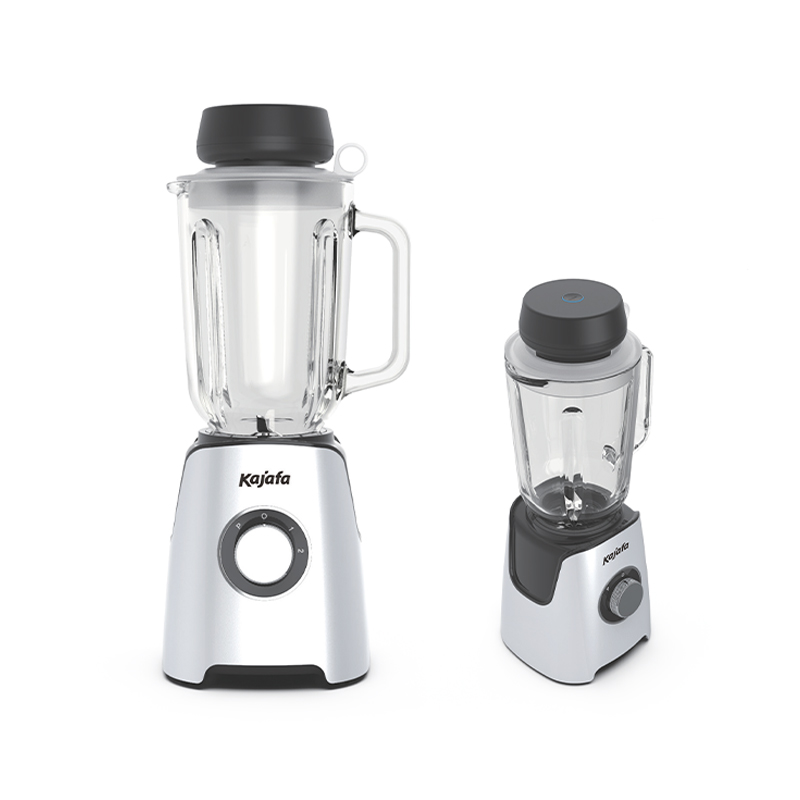
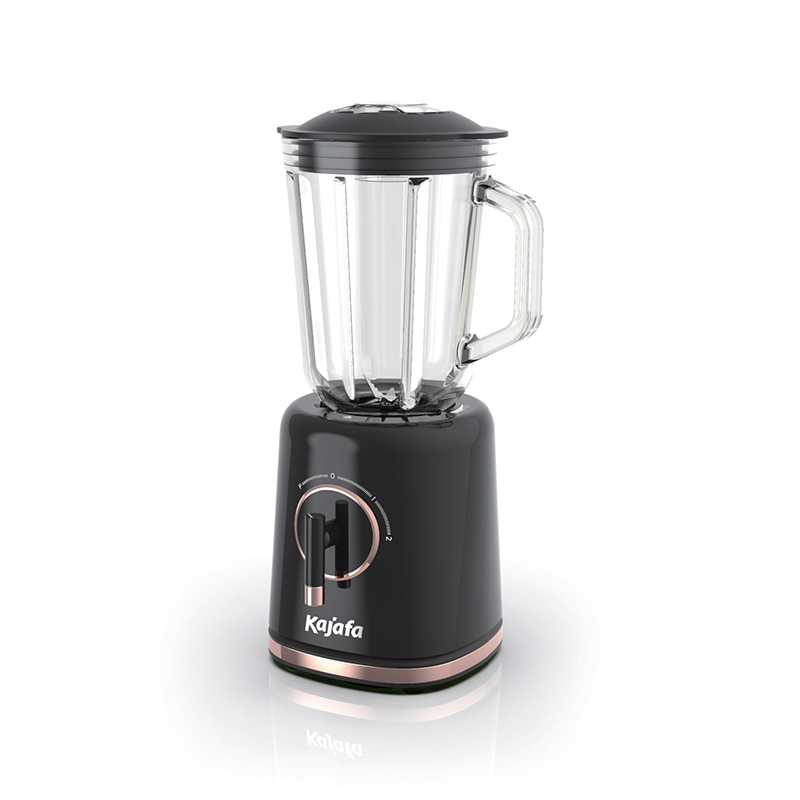
For a balanced approach, a countertop blender with a 1.5-liter glass jar is a reliable everyday option. The glass jar does not retain odors or scratches like plastic, which is important when you make different fruit drinks throughout the week. You can find a wide selection of countertop blender options based on jar material if you want to compare glass and plastic in detail.
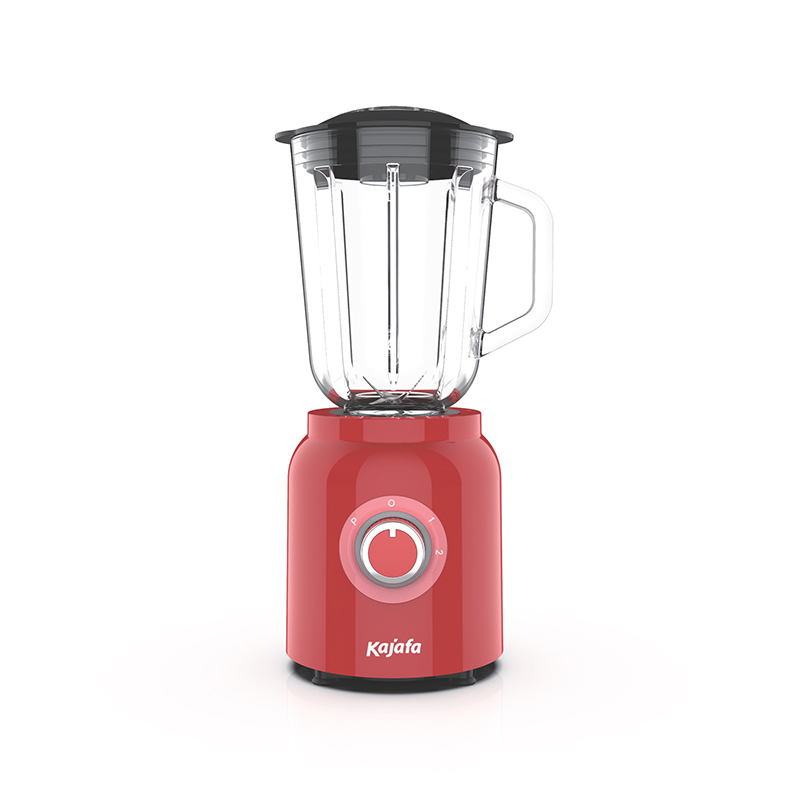 700W Countertop Blender with 1.5L Glass Jar, 2 Speeds and Pulse FunctionA reliable everyday blender for a balanced approach to smoothies and milkshakes. The glass jar resists odors and scratches, making it ideal for frequent use with various fruits.View Product →
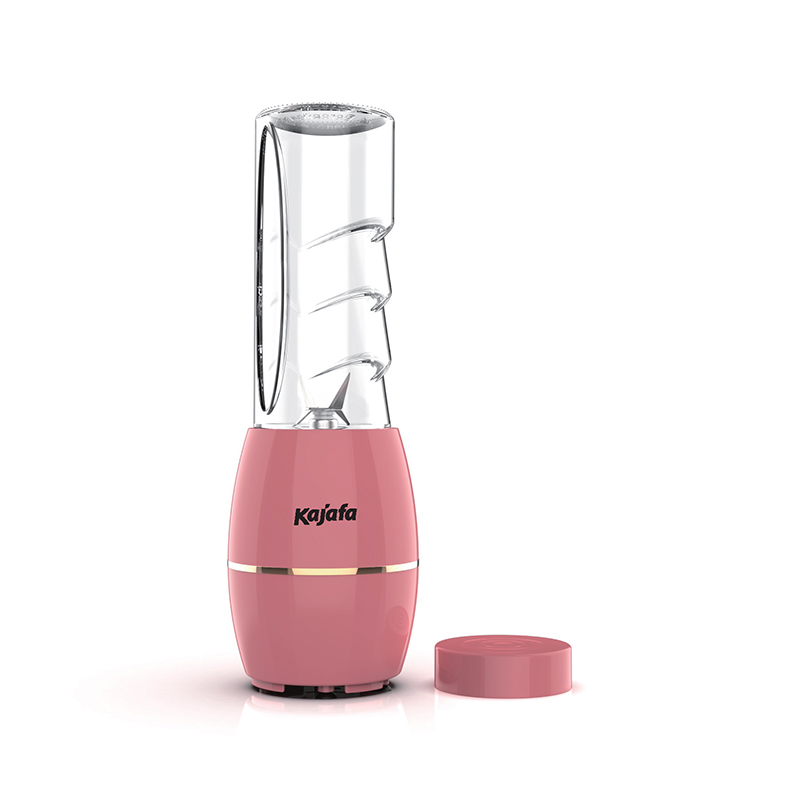
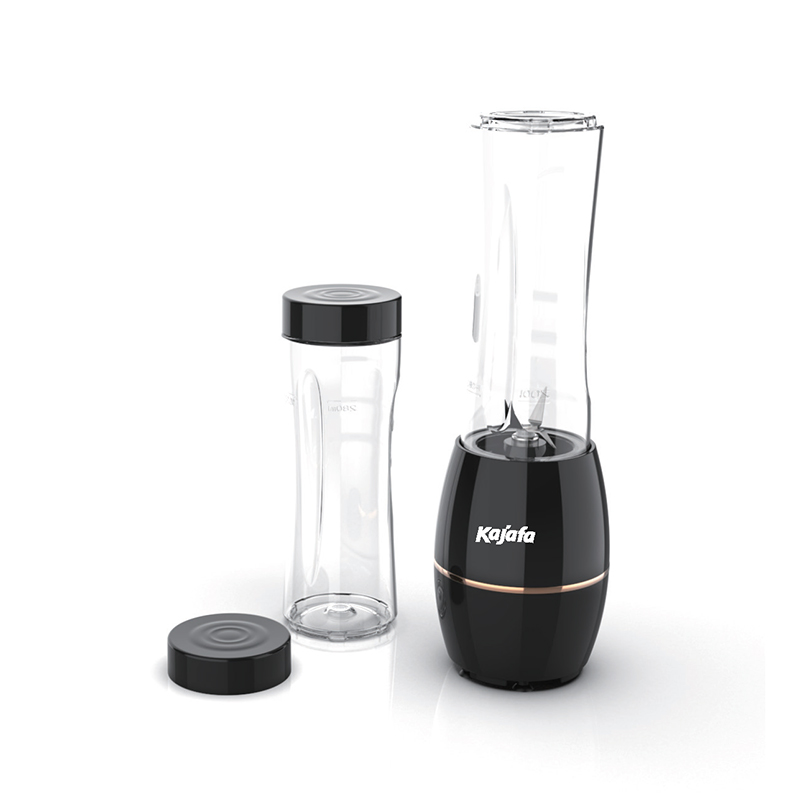
If you prefer a personal blender for quick morning drinks, a mini blender with a 300 ml or 400 ml cup is sufficient for one serving. These models are convenient for small kitchens and travel. They are also easier to clean because the cup is the container you drink from.
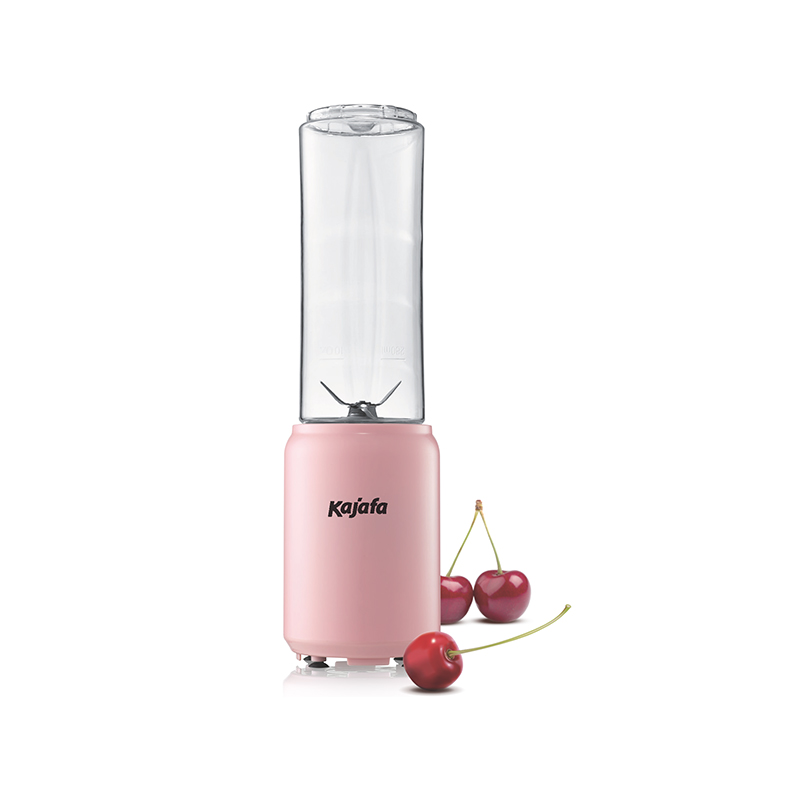 Personal Blender with Travel Cup and Lid for Shakes and SmoothiesThis compact 280ml blender suits single servings and busy mornings. The travel cup and lid make it easy to take drinks on the go, while overheat protection adds safety.View Product →
When you want to make large batches of smoothies with frozen fruit or ice, a high-speed blender is worth the investment. The high torque handles thick mixtures without straining the motor. It also reduces the time needed to achieve a fine texture.
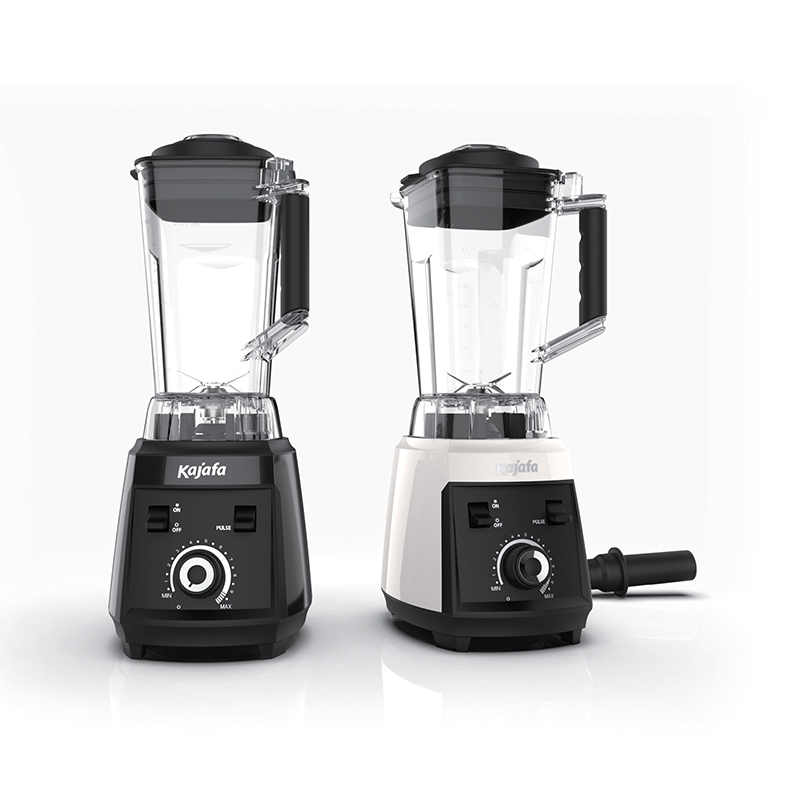 1200W High-Power Countertop Blender with 2000ml Capacity for Ice Crushing and MoreA powerful option for large batches and tough ingredients like frozen fruit and ice. Its high torque and variable speed handle thick mixtures smoothly, making it a worthy investment for diverse recipes.View Product →
According to the company's product range, these blenders come in various capacities and power levels. You should always check the wattage and the type of blades when selecting a product for your specific recipe needs.
10 Homemade Fruit Drink Recipes to Try This Week
Here are ten recipes that cover a range of flavors and textures. Each recipe includes precise measurements for consistency. Use fresh or frozen fruit, but adjust the blending time based on the fruit's temperature.
1. Classic Strawberry Banana Smoothie
Ingredients: 1 cup frozen strawberries, 1 ripe banana, 120 ml plain yogurt, 60 ml milk, and 1 teaspoon honey. Blend for 45 to 60 seconds until smooth. This recipe yields about 350 ml and takes less than 5 minutes to prepare.
2. Green Apple and Spinach Cooler
Ingredients: 1 green apple, 40 g fresh spinach, 150 ml coconut water, and juice of half a lemon. Blend for 30 seconds on high. The spinach adds fiber and minerals without overpowering the apple flavor.
3. Mango Coconut Smoothie
Ingredients: 1 cup frozen mango chunks, 150 ml coconut milk, and 1 tablespoon lime juice. Blend for 50 seconds. This drink has a creamy texture and works well with a high-speed blender.
4. Watermelon Mint Freshener
Ingredients: 2 cups watermelon cubes, 8 fresh mint leaves, and 100 ml cold water. Blend for 20 seconds and strain if you prefer a clear liquid. The mint gives a cooling sensation that is perfect for hot days.
5. Mixed Berry Protein Shake
Ingredients: 1 cup mixed berries, 1 scoop vanilla protein powder, 200 ml almond milk, and half a banana. Blend for 60 seconds. This drink contains about 25 grams of protein, making it ideal for post-workout recovery.
6. Pineapple Ginger Juice
Ingredients: 2 cups pineapple chunks, 1 cm fresh ginger, and 150 ml water. Blend for 40 seconds, then strain through a fine mesh if you want a juice-like consistency. The ginger adds a spicy kick.
7. Peach and Oat Breakfast Smoothie
Ingredients: 1 cup sliced peaches, 3 tablespoons rolled oats, 150 ml milk, and 1 teaspoon chia seeds. Blend for 60 seconds. The oats make this drink thicker and more filling.
8. Citrus Grapefruit Spritzer
Ingredients: 1 grapefruit (peeled), 100 ml sparkling water, and 1 teaspoon honey. Blend the grapefruit alone for 15 seconds, then mix with sparkling water in a glass. This keeps the fizzy texture.
9. Tomato, Orange, and Basil Drink
Ingredients: 1 medium tomato, 1 orange, and 5 basil leaves. Blend for 30 seconds. This savory drink is rich in vitamin C and lycopene.
10. Avocado Cocoa Smoothie
Ingredients: 1 ripe avocado, 1 tablespoon cocoa powder, 200 ml oat milk, and 1 teaspoon maple syrup. Blend for 60 seconds until completely creamy. This is a filling drink that can be a quick breakfast.
For these recipes, a versatile countertop blender makes the preparation easier because you can adjust the speed and use the pulse function for ingredients that require short bursts of power.
How to Get the Perfect Texture Every Time
The texture of a fruit drink depends on three factors: the ratio of liquid to fruit, the blending time, and the type of blades. A general rule is to use one part liquid and two parts fruit for a smoothie texture. If you want a thinner juice, use one part liquid and one part fruit. For a thicker smoothie bowl, use half a part liquid and one part fruit.
Blending time matters. Soft fruits like berries and bananas can be blended in as little as 20 to 30 seconds. Harder frozen fruits like mango, pineapple, and mixed frozen berries need 45 to 60 seconds. Ice requires even more time; a high-speed blender can crush ice in about 30 seconds, while a standard countertop blender may need up to 90 seconds.
The pulse function is useful when you want to incorporate chunky ingredients without over-processing. For example, when making a fruit drink with yogurt and granola, use a short pulse to mix everything together. The blades should cut through the fruit without turning it into a completely smooth paste.
If you notice that your blender leaves larger chunks at the bottom, stop the machine and use a spatula to push the ingredients down. Then blend for another 15 to 20 seconds. This method avoids overheating the motor and helps create a uniform consistency.
Common Mistakes That Ruin Homemade Fruit Drinks
One of the most common mistakes is adding too much ice. Ice dilutes the drink and can make it watery. Instead, use frozen fruit whenever possible. If a recipe calls for ice, limit it to half a cup per 300 ml of liquid.
Another mistake is overfilling the blender jar. Most blenders have a maximum fill line marked on the jar. Filling past that line can cause ingredients to leak out the lid and may damage the motor. Always leave at least 2 cm of empty space at the top.
Using overripe fruit can also affect the flavor. While slightly overripe bananas are great for sweetening a smoothie, overripe strawberries can taste fermented. If your fruit is too ripe, add a squeeze of lemon juice to balance the flavor.
Finally, adding sweeteners too early can lead to an overly sweet drink. Taste the mixture first, then add honey, agave, or maple syrup one teaspoon at a time. Many fruits are already sweet enough without any added sugar.
How to Store Homemade Fruit Drinks Properly
Fruit drinks taste best right after blending, but if you need to store them, keep them in an airtight container in the refrigerator. A smoothie or juice stored this way can last for 24 to 48 hours, but the texture may change as the fiber settles. Shake the container well before drinking.
If you want to make a batch for the week, consider freezing the mixture in individual servings. You can use silicone molds or small glass jars. When you are ready to drink, let it thaw in the fridge overnight. This is a practical option for pre-portioning breakfast drinks.
If your drink separates, this is normal. A thicker smoothie with banana or oats is less likely to separate because it contains more fiber. Adding a tablespoon of chia seeds can also help hold the mixture together.
Frequently Asked Questions About Homemade Fruit Drinks
Which fruits work best for homemade fruit drinks?
Soft fruits like berries, bananas, mangoes, peaches, and watermelon blend well because they have a high water content and low fiber. Harder fruits like apples and pears should be peeled and chopped into small pieces. Pineapple and citrus fruits work best when removed from the rind.
Can I use frozen fruit instead of fresh fruit?
Yes, frozen fruit is actually a better option for smoothies because it eliminates the need for ice and gives colder, thicker texture. Frozen fruit also retains most of its nutrients. You can use it directly from the freezer without thawing.
Why is my homemade fruit drink bitter?
Bitterness usually comes from fruit peels, especially citrus pith or the seeds of certain fruits. Remove piths from citrus fruits and avoid blending seeds from apples, pears, or cucumbers. Adding a small amount of honey or a pinch of salt can reduce bitterness.
Is there a difference between a blender and a juicer for fruit drinks?
Yes. A blender keeps the fiber and pulp, making a thicker drink. A juicer extracts the liquid and removes the fiber, resulting in a clearer juice. For a healthy drink, blending is often preferred because it preserves the whole fruit. For more information on citrus juicing, you can read how modern citrus juicers work.
How long should I blend my fruit drink?
For soft fruits, blend for 20 to 30 seconds. For frozen fruits and ice, blend for 45 to 60 seconds. If your mixer is less powerful, add 10 to 15 seconds. The goal is a smooth texture with no visible chunks.
Can I make homemade fruit drinks without a blender?
Yes, but it is less convenient. You can mash soft fruits with a fork and mix with liquid. For harder fruits, use a grater or a hand blender. A hand blender with a stick design allows you to process fruit directly in a cup. According to the company's range, hand blenders are a compact alternative for small batches.
Making homemade fruit drinks is a skill that improves with practice. When you understand the proportions, the blending time, and the right equipment, you can create drinks that match your taste preferences and nutritional needs. Start with the recipes in this guide, adjust the sweetness and thickness, and soon you will be inventing your own combinations.
Remember that the best fruit drink is one that you actually enjoy drinking. Keep experimenting with different fruits, herbs, and liquids. The more you make, the better you will understand how each ingredient affects the final result.