
 英语
英语 中文简体
中文简体

Content
- 1 What Makes Acai Bowls a Popular Breakfast Option
- 2 The Nutritional Profile of a Typical Acai Bowl
- 3 Potential Downsides of Acai Bowls
- 4 How to Build a Nutritionally Balanced Acai Bowl
- 5 Choosing the Right Appliance for Homemade Acai Bowls
- 6 Acai Bowls vs. Other Breakfast Options
- 7 Frequently Asked Questions About Acai Bowls
- 7.1 Are acai bowls good for weight loss?
- 7.2 What is the healthiest acai bowl you can make at home?
- 7.3 Is it okay to eat acai bowls every day?
- 7.4 How many calories are in a healthy homemade acai bowl?
- 7.5 Do acai berries really have more antioxidants than blueberries?
- 7.6 Can I freeze acai bowls for meal prep?
- 7.7 Can a food processor help prepare acai bowl toppings?
Yes, acai bowls are good for breakfast when you build them properly. The real question is not whether acai is healthy - the berry itself is exceptional - but what gets added to the bowl and how much of it you eat. A carefully made acai bowl can deliver 400-550 calories, 20+ grams of protein, and 10+ grams of fiber, making it genuinely nutritious. By contrast, a typical cafe-style bowl with heavy granola, honey, and sweetened fruit can easily hit 700 calories and 40 grams of sugar. The difference comes down to ingredient choices and portion awareness.
Here is the bottom line: acai bowls are not magic, they are not a diet shortcut, and they are not automatically a health decision. They are a tool. When you use that tool with intention, they become one of the more nutrient-dense breakfast options available.
What Makes Acai Bowls a Popular Breakfast Option
Acai bowls originated in the Amazon region of Brazil, where acai berries have been an essential dietary component for centuries. The berry - a small, dark-purple fruit that grows on a palm tree - was traditionally consumed as a savory accompaniment to fish and vegetables. The modern breakfast bowl transformation began in Brazilian coastal cities, where surfers and health-conscious locals blended frozen acai with banana, topped it with granola, and called it a breakfast adaptation that sustained them through long beach sessions.
The worldwide popularity of acai bowls has grown dramatically in the last decade. Industry reports from sales data across major food markets suggest that acai berry product sales have seen consistent annual growth, particularly in North America and Europe. The appeal is clear: acai bowls look like a treat, taste like dessert, and carry an image of superfood health. But let's look at what actually makes the acai berry nutritionally interesting:
- Anthocyanins. Acai possesses an exceptionally high concentration of these antioxidant pigments - the same class of compounds studied extensively for their potential role in reducing oxidative stress and inflammation.
- Healthy fats. Unlike most berries, acai contains significant levels of monounsaturated and polyunsaturated fatty acids, including oleic acid, which supports cardiovascular health.
- Fiber. A 100g serving of acai purée contains about 3-4 grams of fiber, which helps regulate digestion and supports steady glucose levels.
- Trace minerals. Acai provides calcium, potassium, magnesium, and iron in modest amounts that contribute to overall nutrient intake when paired with other breakfast ingredients.
A key insight for anyone considering acai bowls as a regular breakfast is the notion of satiety structure. Unlike a liquid smoothie that disappears in a minute, a bowl requires you to use a spoon, chew, and slow down. This promotes better portion recognition and keeps you feeling satisfied longer, which is one reason the format is more sustainable for breakfast than a quick drink. Research on eating behaviors consistently shows that chewing and slower consumption correlate with lower subsequent food intake at the next meal.
The Nutritional Profile of a Typical Acai Bowl
Understanding what ends up in a standard acai bowl is the most reliable way to determine whether it works as a breakfast. The table below shows a nutritional comparison of a typical cafe acai bowl, a homemade balanced acai bowl, and two common breakfast alternatives. These values are calculated from commonly available ingredient nutrition data and are representative of what you will actually consume.
The essential takeaway is that the acai bowl format has enormous potential but poor execution in commercial settings. The balanced homemade version stands out as the best all-around option because it delivers high antioxidant capacity while also providing adequate protein and fiber without excessive sugar. The cafe version, by contrast, loses its nutritional edge because of added sweeteners and oversized portions.
Potential Downsides of Acai Bowls
It would be misleading to say every acai bowl is good for you. In fact, many commercial acai bowls contain more sugar than a chocolate donut, and the marketing around them can obscure the actual nutritional composition. Here are the main pitfalls to watch for:
1. Sugar Overload Is the Single Biggest Problem
The global health recommendation for added sugar from the World Health Organization is to keep it below 25 grams per day for the greatest health benefit. A single cafe acai bowl can exceed this in one sitting. The sugar comes from multiple hidden sources: sweetened acai sorbet, honey drizzle, granola with high sugar content, dried fruits, and fruit juice concentrates that thicken the base. A 2023 review monitoring breakfast trends in major food markets identified sweetened breakfast bowls as a key contributor to excess sugar intake among consumers who believed they were eating healthfully.
2. Portion Sizes Have Expanded
Over the past several years, commercial acai bowl servings have grown significantly. A typical cafe bowl today weighs 400-500 grams, and when topped with generous granola, nut butters, and multiple fruits, can exceed 700 calories. This is comparable to a substantial lunch or dinner, not a light breakfast. The visual appeal of a full bowl often leads consumers to overlook portion control - they eat more than they would from a plate with the same ingredients.
3. Protein Deficiency Causes Mid-Morning Crashes
A breakfast that lacks adequate protein will often leave you hungry two to three hours later. Most acai bowls provide only 5-10 grams of protein, while the recommended intake for a satisfying breakfast is in the range of 20-30 grams. Without this protein base, the bowl's carbohydrates - however wholesome - trigger a faster glucose rise and subsequent dip, contributing to the dreaded mid-morning energy crash and the urge to snack on processed foods.
4. Some Acai Bases Are Not Truly Acai
This is a less-discussed but critical concern. Many frozen acai products and powdered mixes contain significant amounts of added sugar, maltodextrin, or other fruit concentrates. When the acai content drops below a certain percentage, the bowl becomes more of a sweet fruit sorbet than an acai-based meal. Always read ingredient labels and aim for products where the acai is the first ingredient and the sugar content is naturally derived, not added.
How to Build a Nutritionally Balanced Acai Bowl
Building a balanced acai bowl at home is not complicated, but it requires making specific choices rather than assembling what happens to be in your pantry. Here is a practical blueprint that yields roughly 450-550 calories, 20-25 grams of protein, and 10-12 grams of fiber in a 350gram serving.
- Choose a clean acai base. Look for unsweetened acai purée or frozen acai packets with no added sugar, maltodextrin, or fruit juice concentrate. The ingredient list should be short - acai and very little else.
- Add protein early. A scoop of unflavored or vanilla protein powder, half a cup of plain Greek yogurt, or two tablespoons of almond butter all work well. The protein helps with satiety, muscle repair, and glucose regulation.
- Balance your liquid. Use unsweetened almond milk, soy milk, or even water as your liquid base. Juice is not necessary and only adds sugar. Start with a smaller amount of liquid and add as needed to achieve a thick spoonable consistency.
- Keep toppings low-sugar and high-volume. Fresh berries, sliced kiwi, pineapple, apple, and banana are excellent. Reduce or eliminate dried fruits, sweetened coconut flakes, and store-bought granola with high sugar levels.
- Include a healthy fat source. One tablespoon of chia seeds, hemp seeds, unsweetened coconut flakes, or ground flaxseed boosts omega-3 intake and adds a satisfying texture.
- Portion to 350g. Weigh your bowl to keep portions honest. A 350g serving is substantial but not excessive, and it fits within a reasonable calorie budget for breakfast.
Let us walk through what one real, fully assembled balanced bowl looks like: 100g unsweetened acai purée, half a banana, 100ml unsweetened almond milk, one scoop of vanilla protein powder, 30g low-sugar granola, 50g mixed fresh berries, and one tablespoon of chia seeds. The total lands around 510 calories, 24g protein, 11g fiber, and 8g of added sugar. This breakfast will satisfy you well past lunch - the combination of protein, fiber, and healthy fats is what makes it work.
Choosing the Right Appliance for Homemade Acai Bowls
One of the biggest practical barriers to making acai bowls at home is the equipment. Frozen acai packets are rock solid when frozen, and a weak blender will struggle to create a smooth, creamy consistency. Instead, you get chunky bits of ice that ruin the texture. Here is what matters when selecting a blender for acai preparation:
- Motor power is the primary determinant of texture. A 400W motor may work for already-thawed soft fruit, but you need at least 700W to 1200W to process frozen acai blocks, ice cubes, and frozen banana chunks efficiently. More power translates directly to a smoother, creamier bowl in less time.
- A pulse function gives you texture control. The goal with an acai base is a thick, spoonable purée, not a watery drink. Pulse function lets you break down the frozen berries in short bursts, adding liquid incrementally and stopping at the right consistency.
- Jar capacity should match your portions. For a single-serve bowl, a 400ml to 600ml jar is enough. If you are preparing breakfast for a family or meal-prepping several portions, a 1.5L to 2L capacity blender will save you time.
- Easy-to-clean parts are not optional. Acai is highly pigmented and can stain plastic containers. Look for a blender with a removable blade assembly and jar that can be washed with warm soapy water or in a dishwasher. You will be using it regularly, so maintenance should not be a burden.
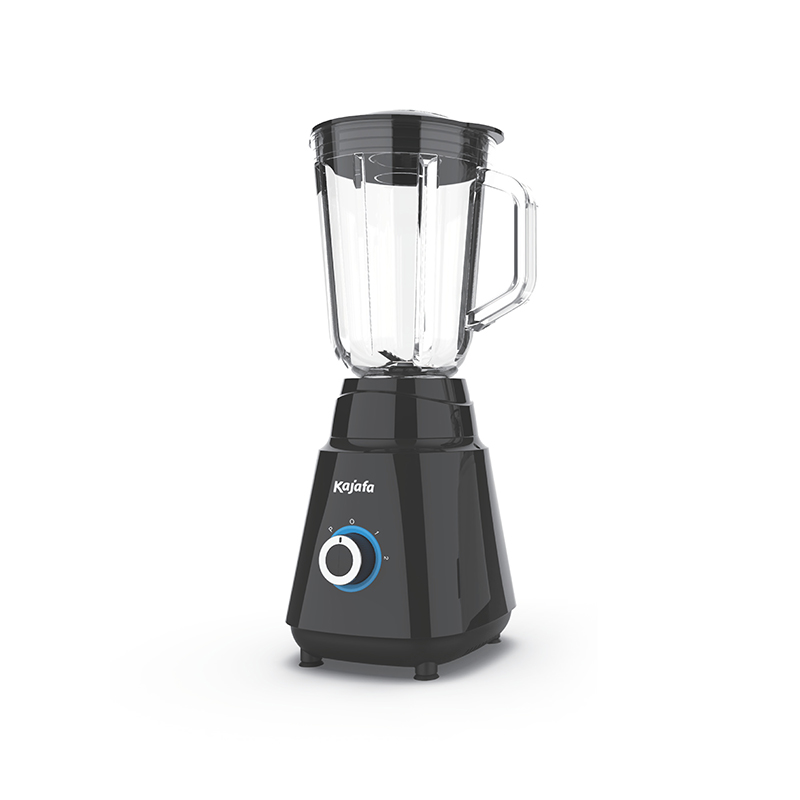
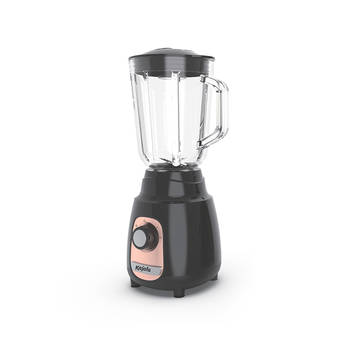
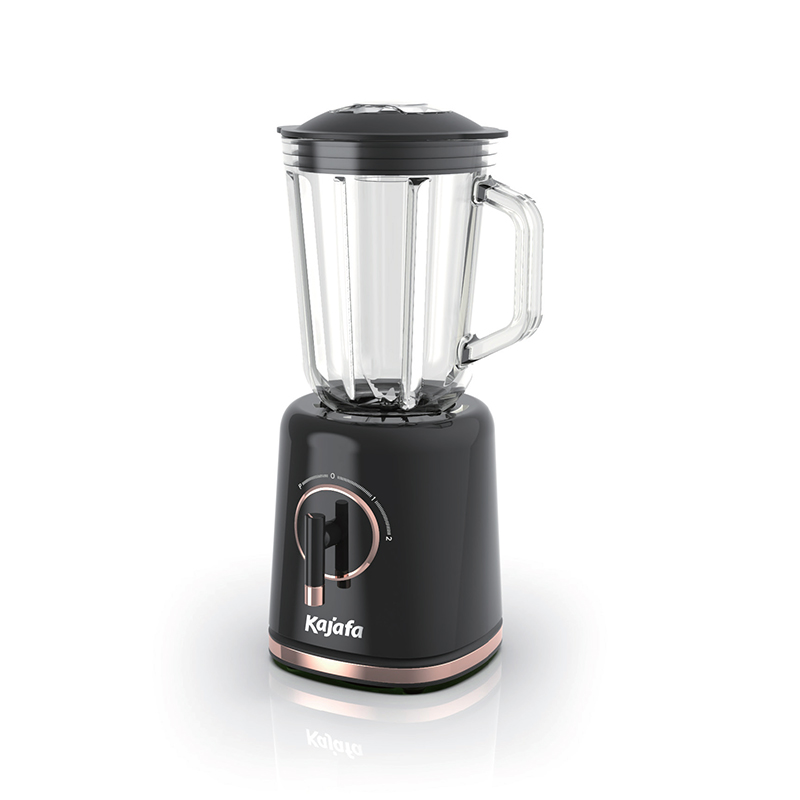
If you are shopping for a new blender for acai bowl-making, pay close attention to the icebreaking capability of a countertop blender. This is the feature that determines how quickly the frozen acai base turns into a smooth cream. A blender that can only handle soft fruits will take much longer and may overheat.
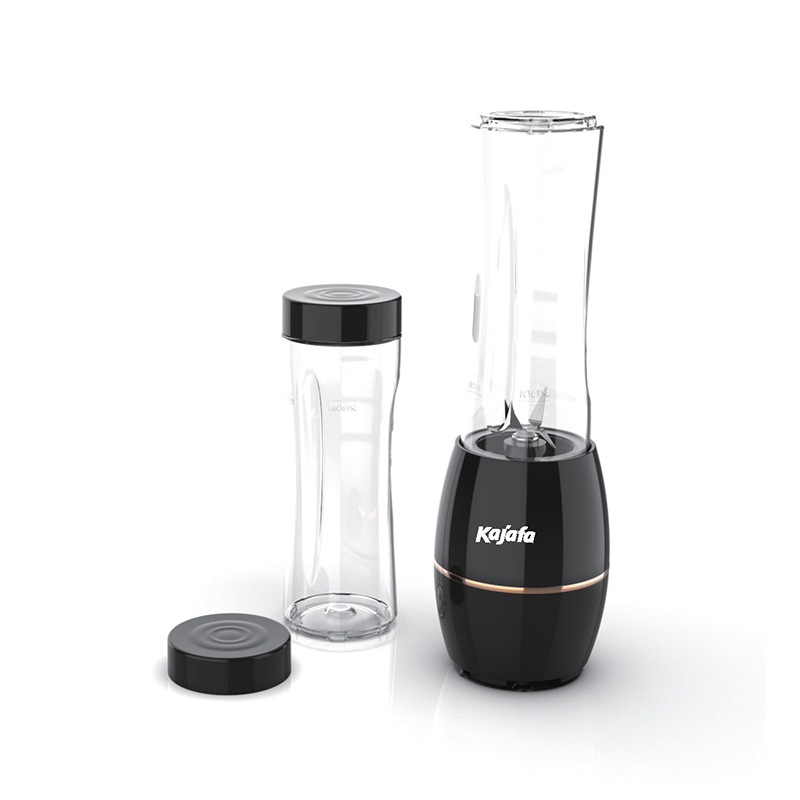
For single-serve portions, a mini blender is an excellent alternative. The compact size takes up less counter space, and the jar can be used as a travel cup afterward. The trade-off is that the motor is typically less powerful, so you may need to break the frozen acai into smaller pieces beforehand.
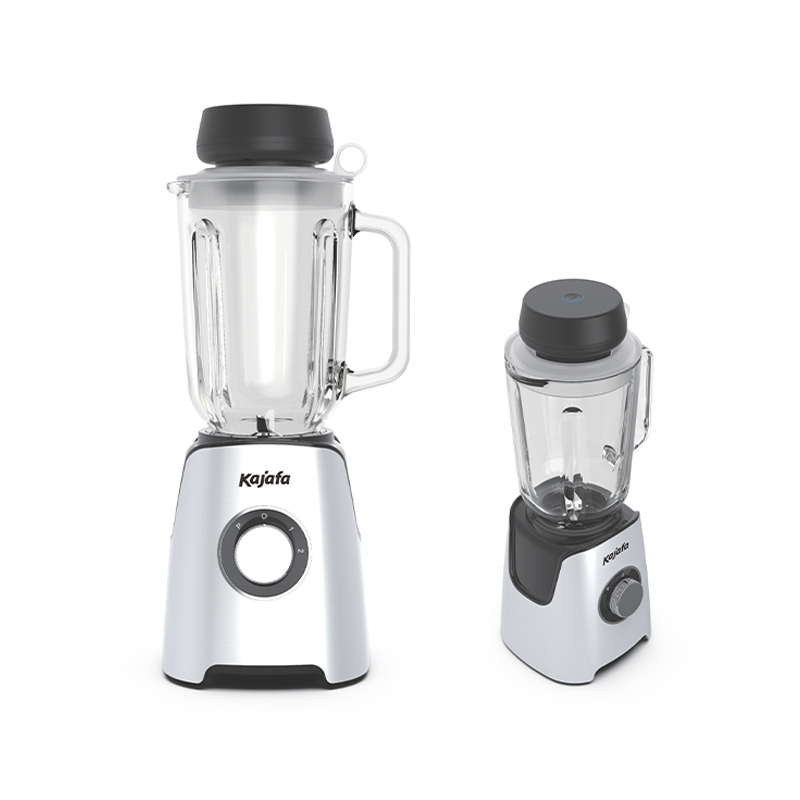
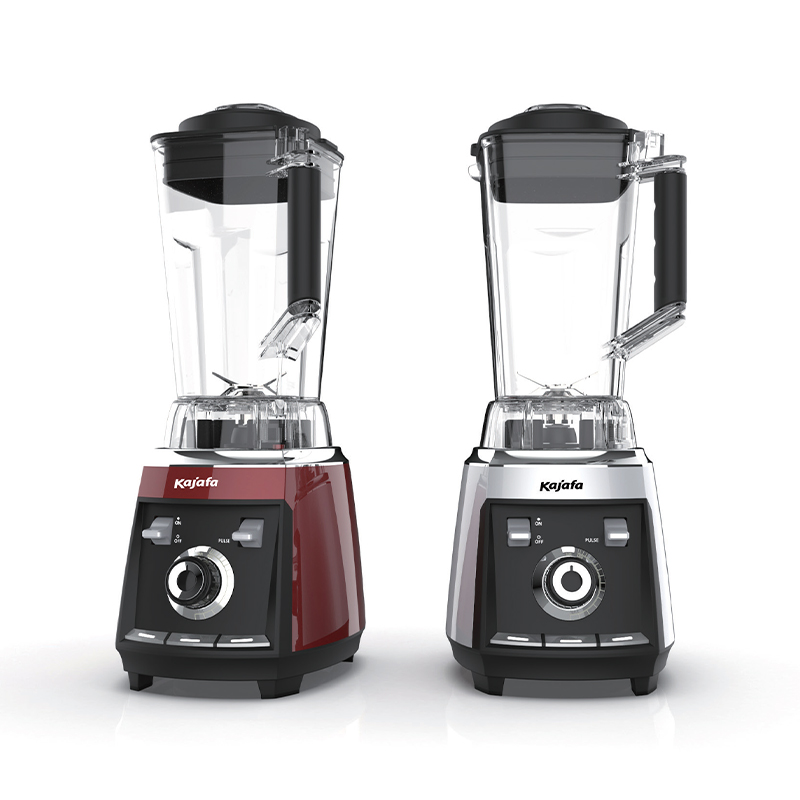 CB1219 Countertop Blender with 1200-Watt Base, Smoothie Blender ,High Power Blender 2L CupFor every family in the world healthy eating, energy saving and environmental protection, intelligent manufacturing of high-quality kitchen appliances, freehand and wo...View Product →
 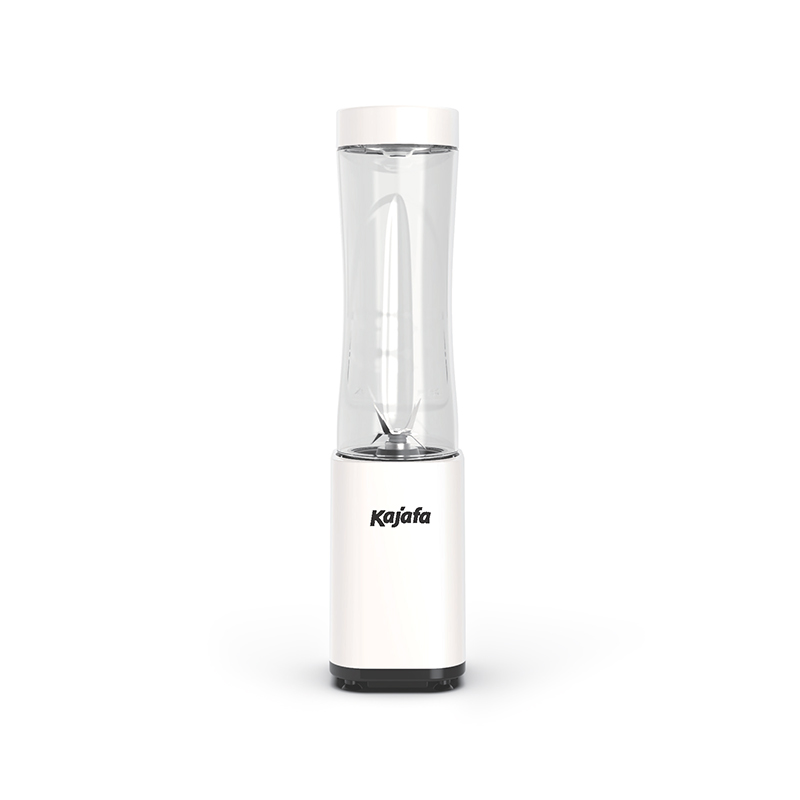 BL3302B-P1 Portable Blender,Personal Mixer for Smoothie and Shakes, Mini Blender with FourFor every family in the world healthy eating, energy saving and environmental protection, intelligent manufacturing of high-quality kitchen appliances, freehand and wo...View Product →
Acai Bowls vs. Other Breakfast Options
Putting acai bowls in perspective compared to other breakfast choices helps you make informed decisions about what works for your morning routine. Here is how the options stack up across key health markers:
Looking at the table, one pattern is very clear: the balanced acai bowl is the strongest overall choice when it comes to antioxidant load and fiber content, and it competes well on satiety when protein is added. The cafe version, however, consistently underperforms because of excessive sugar and insufficient protein. That makes all the difference in how your body responds for the next four hours.
Frequently Asked Questions About Acai Bowls
Are acai bowls good for weight loss?
Yes, when properly portioned. A 350g balanced acai bowl with adequate protein and minimal added sugar supports weight loss because it provides high satiety per calorie. The combination of fiber, healthy fats, and protein keeps you fuller longer, reducing the impulse to snack during the morning. The danger is the cafe-style bowl that can easily hit 700 calories - at that point, it is no longer a weight-loss-friendly breakfast but a calorie-dense treat. If your goal is weight loss, weigh your bowl and stick to the 450-550 calorie range.
What is the healthiest acai bowl you can make at home?
The healthiest version uses unsweetened acai purée, plain Greek yogurt or a protein powder, a handful of fresh berries, chia seeds, and a minimal amount of low-sugar granola. This combination provides a robust protein base (20-25g), gut-friendly fiber (10-12g), and heart-healthy fats. Keep the entire bowl within 500 calories and under 10g of added sugar, and you have a genuinely excellent breakfast.
Is it okay to eat acai bowls every day?
Absolutely. Daily consumption of a balanced acai bowl is safe and can contribute to antioxidant intake and fiber goals. The key is variety - rotate your toppings and protein sources to keep the nutrient profile broad. If you eat the exact same combination every day, you might miss out on other nutrients present in different fruits and nuts. Also, make sure you are meeting your protein and vegetable needs across the rest of the day.
How many calories are in a healthy homemade acai bowl?
A balanced homemade acai bowl using unsweetened acai purée, half a banana, unsweetened almond milk, one scoop of protein powder, 30g low-sugar granola, fresh berries, and a tablespoon of chia seeds comes to about 450-550 calories. The exact number depends on your protein powder brand and granola choice, so use a food scale or nutrition app to verify your specific recipe.
Do acai berries really have more antioxidants than blueberries?
Laboratory measurements using ORAC (Oxygen Radical Absorbance Capacity) show acai has a higher score per gram than blueberries in many analyses. However, the health impact of antioxidants depends on how they are absorbed and utilized by your body - not just the test-tube measurement. A more practical approach is to consume both acai and blueberries regularly, along with a range of colorful fruits and vegetables. The real benefit comes from overall dietary pattern, not a single food.
Can I freeze acai bowls for meal prep?
Yes, acai bowls freeze surprisingly well. Prepare the blended base, pour it into airtight containers, and freeze for up to two months. When you are ready to eat, let it thaw in the refrigerator overnight or microwave at low power for 30-60 seconds. Add your toppings fresh after thawing, because granola and fresh fruit will not hold up well when frozen. This is a practical way to enjoy acai bowls on busy mornings.
Can a food processor help prepare acai bowl toppings?
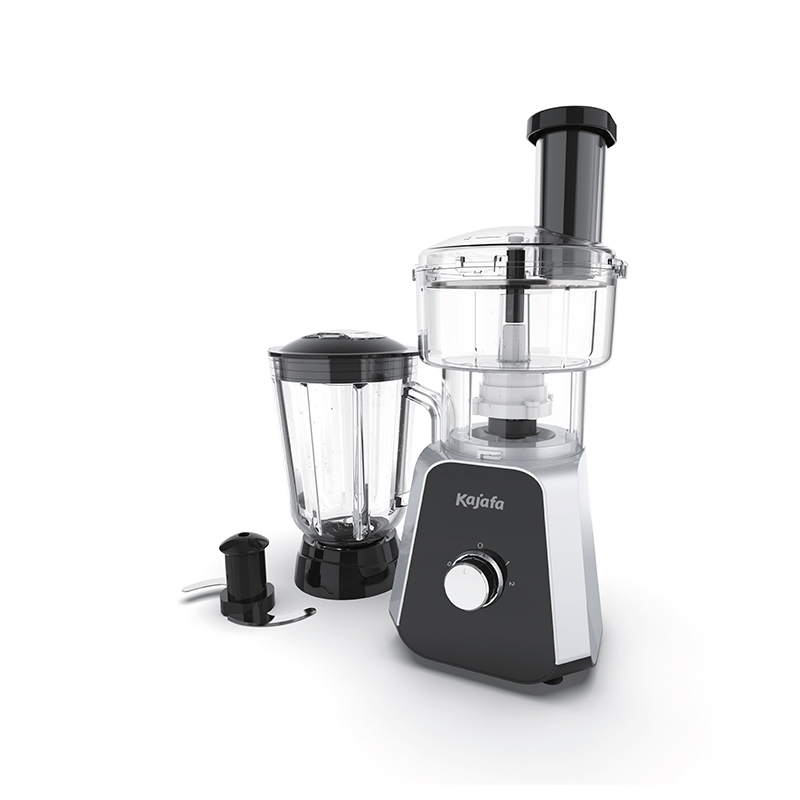
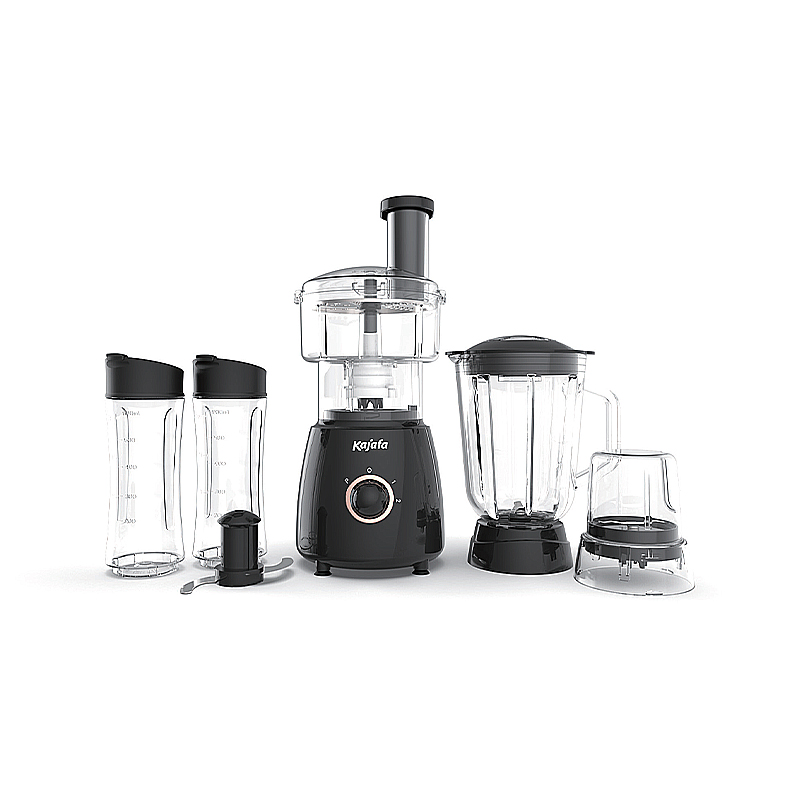
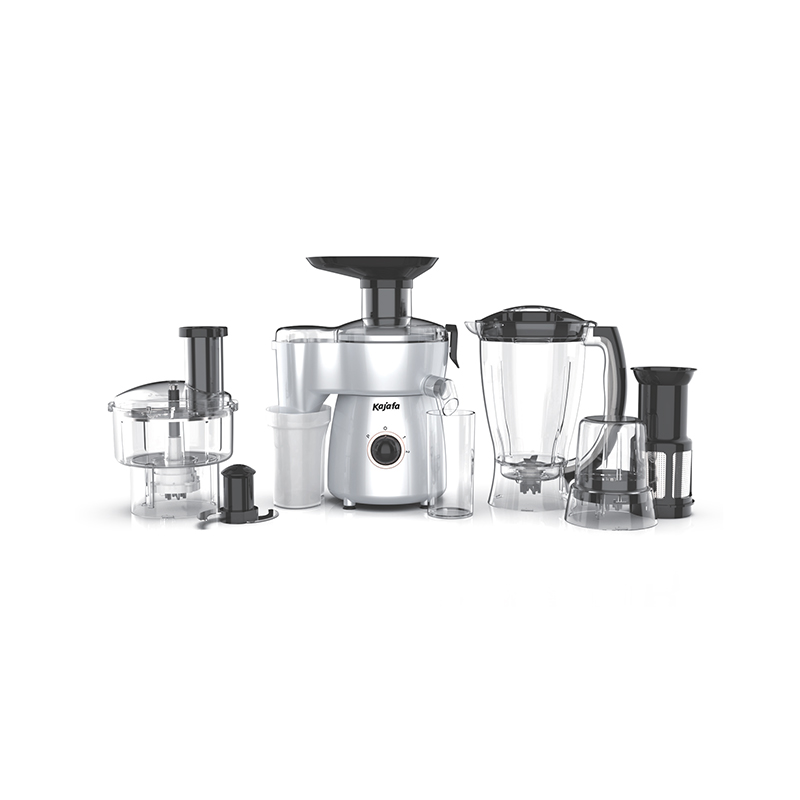
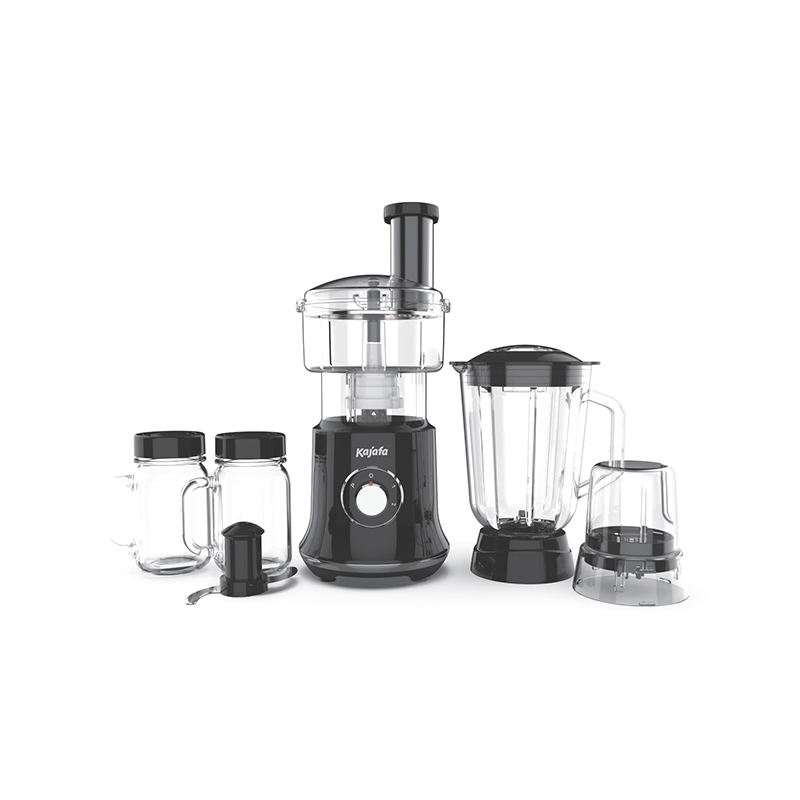
Yes, a food processor is very useful for preparing toppings like chopped nuts, crushed granola, or sliced fruit. A multifunctional food processor with shredding and slicing attachments can save significant preparation time when you make acai bowls regularly. If you are already buying a blender, consider one that comes with processing attachments to keep things simple and reduce the number of appliances on your counter.
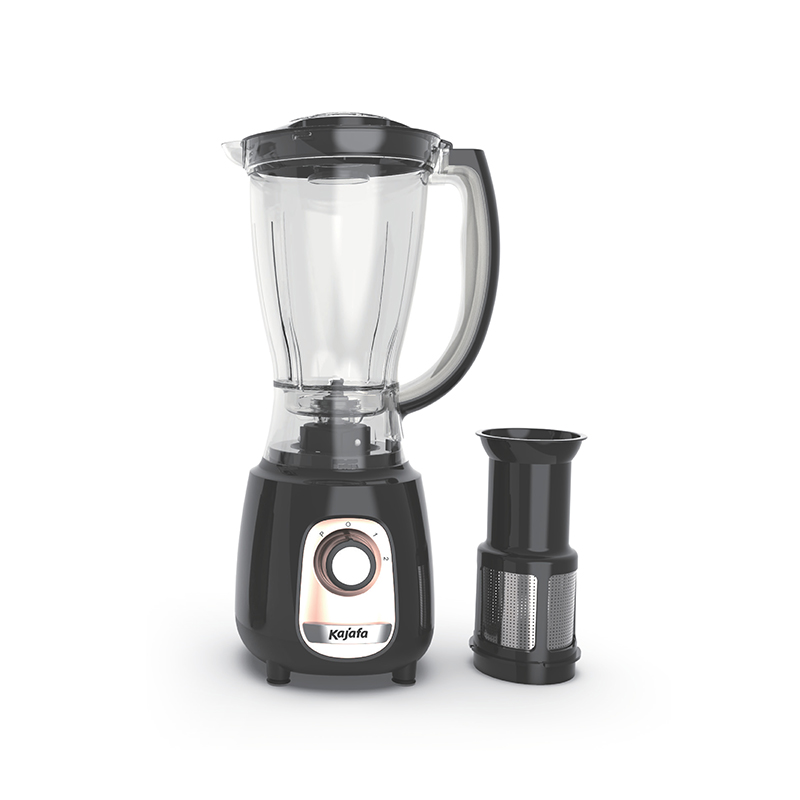
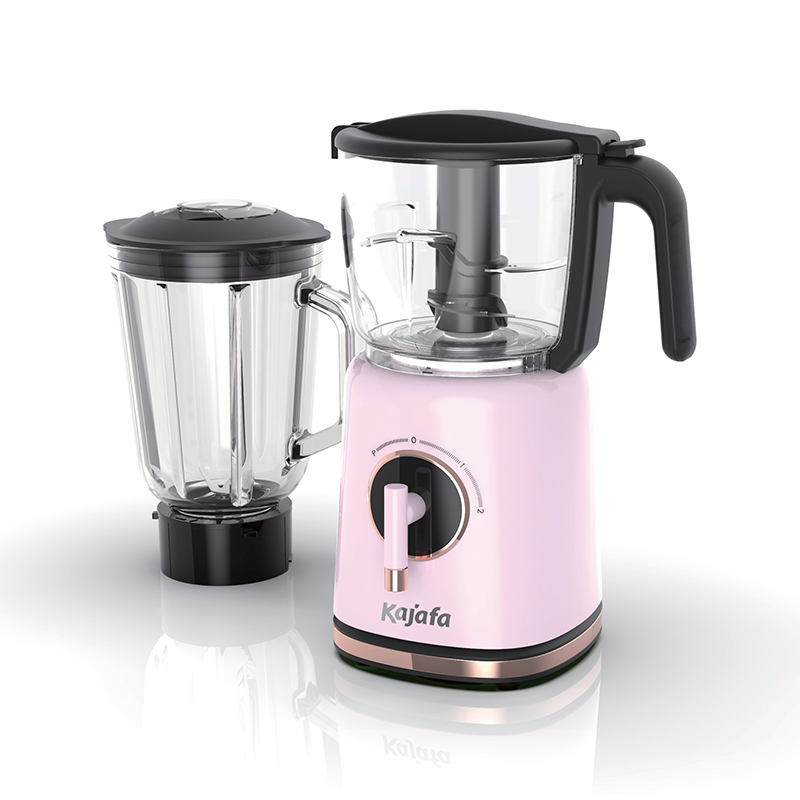 BL505BE Smoothie Blender 700W Multifunctional Jug Blender for Smoothie, Milkshake, Juice, For every family in the world healthy eating, energy saving and environmental protection, intelligent manufacturing of high-quality kitchen appliances, freehand and wo...View Product →