
 英语
 中文简体


Content
- 1 What Coconut Oil Actually Does in a Smoothie
- 2 How Much Coconut Oil Should You Put in a Smoothie?
- 3 Why Does Coconut Oil Clump in Smoothies — and How Do You Stop It
- 4 Refined, Unrefined, or MCT: Which Coconut Oil to Use
- 5 Does the Blender Matter? Yes — Here's the Practical Checklist
- 6 Six Coconut Oil Smoothie Recipes That Actually Work
- 7 Using a Portable Blender for Coconut Oil Smoothies
- 8 Meal-Prep Routine: Freezer Packs, Oil Cubes, and Grinding
- 9 Frequently Asked Questions about Smoothies with Coconut Oil
- 9.1 1. Can I put coconut oil in any smoothie?
- 9.2 2. Does coconut oil make smoothies healthier?
- 9.3 3. My smoothie tastes greasy. Why?
- 9.4 4. Can I use coconut oil in a mini or USB blender?
- 9.5 5. Is MCT oil better than regular coconut oil for smoothies?
- 9.6 6. The oil separates after I store the smoothie in the fridge. What should I do?
At 7:15 in the morning, most smoothies taste fine but look like they gave up halfway. The banana sinks, the spinach floats, and the coconut oil—if you are careless—sits in pale, greasy chunks bobbing near the lid. The problem is not the recipe. It is a mix of temperature, blending order, and blender power. Fix those three things and a coconut oil smoothie turns silky, emulsified, and noticeably more satisfying.
The direct answer: use 1 to 2 tablespoons of coconut oil per 400 to 500 ml of smoothie. Warm the oil to liquid unless your blender runs above 700 watts. Blend the liquid base first, then add the oil while the blades spin. That sequence prevents clumping in nearly every blender. Below you will find exact ratios, a comparison of oil types, and six tested recipes.
What Coconut Oil Actually Does in a Smoothie
Coconut oil contributes three things to a smoothie: mouthfeel, energy density, and better absorption of fat-soluble vitamins. One tablespoon of coconut oil provides about 117 kilocalories and 13.6 grams of fat, with roughly 11.2 grams saturated, according to the USDA FoodData Central entry for coconut oil. That same tablespoon is what turns a watery fruit blend into something that coats the palate instead of sliding straight down.
About 62 percent of the fatty acids in virgin coconut oil are medium-chain triglycerides (MCTs). The dominant one, lauric acid (C12), is why the oil behaves differently from olive or sunflower oil in cold liquids. MCTs are digested more quickly than long-chain fats, which is why a coconut oil smoothie tends to feel filling without feeling heavy. That also matters if you drink the smoothie as a quick breakfast: the fat smooths out the sugar spike from fruit.
There is also a nutrition angle that gets overlooked. Vitamins A, D, E, and K need fat to be absorbed, and if your base is mango, orange, or carrot-heavy, a small amount of coconut oil can improve the uptake of carotenoids from the fruit. If you want to protect those nutrients during blending, check how speed and heat affect them in our guide to preserving nutrients with a countertop blender.
How Much Coconut Oil Should You Put in a Smoothie?
Start with 1 tablespoon per 400 to 500 ml of smoothie and adjust upward only if the texture feels thin. More than 2 tablespoons per 500 ml tends to create a greasy mouth feel, slows down blending, and leaves a coating on the roof of your mouth that masks fruit flavors. For a small 200 ml glass aimed at a child or a light snack, even 1 teaspoon is enough to add richness.
The table below gives practical ranges based on glass size, calorie targets, and how the smoothie will be used. The calorie figures come from the same USDA FoodData Central values mentioned above.
| Smoothie Size | Coconut Oil | Calories Added | Best For |
|---|---|---|---|
| 300–400 ml | 1 tsp (5 g) | ~45 kcal | Light fruit smoothies, post-workout |
| 400–500 ml | 1 tbsp (14 g) | ~117 kcal | Breakfast and meal replacement |
| 500–700 ml | 1½–2 tbsp (21–28 g) | ~176–234 kcal | High-energy or keto-style drinks |
| 200 ml (small glass) | ½ tsp (2 g) | ~18 kcal | Milder flavor for kids or snacks |
Why Does Coconut Oil Clump in Smoothies — and How Do You Stop It
Coconut oil is solid at any temperature below about 76°F (24°C), and most smoothies are blended at fridge or room temperature. When a solid lump hits the cold liquid, the outside cools further while the inside stays hard, so the blade simply pushes it around instead of cutting it. The result is the all-too-familiar flecks and streaks.
The reliable fix is to follow a melting sequence:
- Measure the oil and melt it in a small cup over a warm water bath or in 10-second microwave bursts. If the jar itself is glass, check the label for microwave safety first.
- Add your liquid first — water, milk, coconut water, coffee — and start the blender on low.
- Run for 15 to 20 seconds so the liquid forms a clear vortex.
- With the motor running, pour the melted oil slowly into the vortex through the lid opening.
- Blend for another 20 to 30 seconds until the surface looks uniform and no droplets separate out.
If you do not want to melt the oil first, use a blender rated above 700 watts and cut the solid oil into 0.5 cm cubes before dropping them in. High-speed blades can crush solid oil granules, giving the same result in about 40 seconds. That method is the one to use when you are in a hurry or making a double batch.
Refined, Unrefined, or MCT: Which Coconut Oil to Use
Flavor and solidification matter more than brand names. Unrefined virgin coconut oil has a strong, tropical coconut aroma and a smoke point of about 350°F (177°C). Refined coconut oil has a neutral flavor and a higher smoke point of about 400°F (204°C). MCT oil is fractionated coconut oil that stays liquid even in the fridge and produces almost no clumping.
| Type | Flavor | Behavior in Cold Liquid | Best Use |
|---|---|---|---|
| Unrefined (virgin) | Strong coconut, tropical | Solid below 76°F (24°C) | Pineapple, mango, green smoothies |
| Refined | Neutral, clean | Solid below 76°F (24°C) | Chocolate, coffee, nut butter blends |
| MCT oil | Almost none | Stays liquid at fridge temp | Clump-free results; start with 1 tsp |
A practical rule: keep unrefined oil in the kitchen for tropical and green recipes, and buy refined for coffee or chocolate drinks where the coconut flavor would clash. MCT oil is the easiest to work with but costs more and can cause stomach discomfort if you jump straight to a full tablespoon — build up over a week.
Does the Blender Matter? Yes — Here's the Practical Checklist
A coconut oil smoothie relies on emulsification — breaking fat droplets small enough that they stay suspended in the liquid. Low-power blenders under 400 watts rarely create a fine enough vortex to pull oil down from the surface. That is why the same recipe can taste great in one machine and greasy in another.
- 300–500 W: use ripened bananas, skip whole ice cubes, melt the oil, and blend in 20-second bursts.
- 700 W: handles frozen berries, chopped mango, and solid oil cubes when the jar is not overfilled.
- 1000 W and above: can take a full pint of frozen fruit plus coconut oil cubes without pre-crushing.
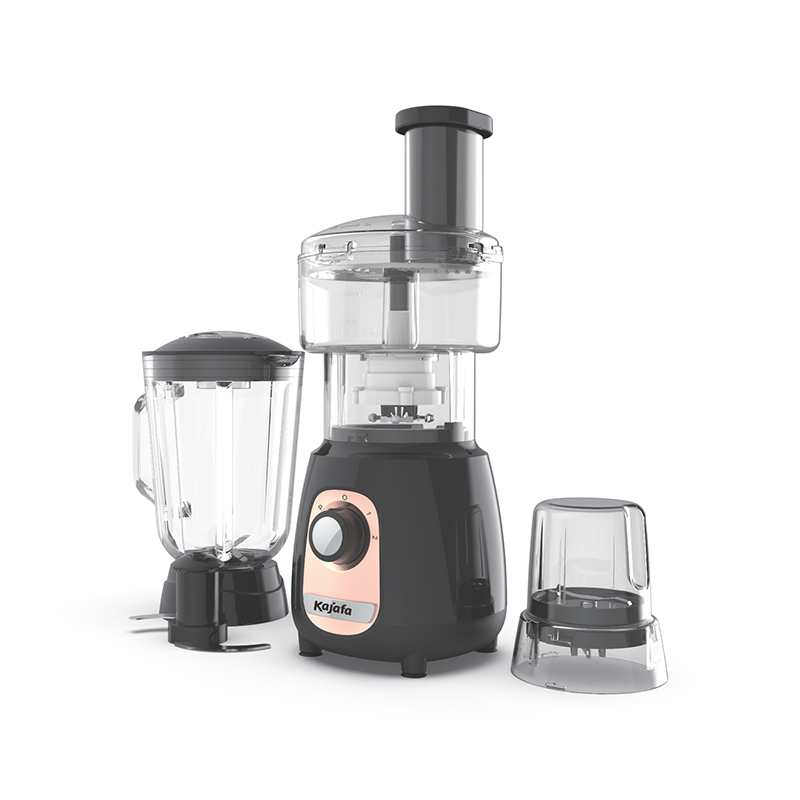
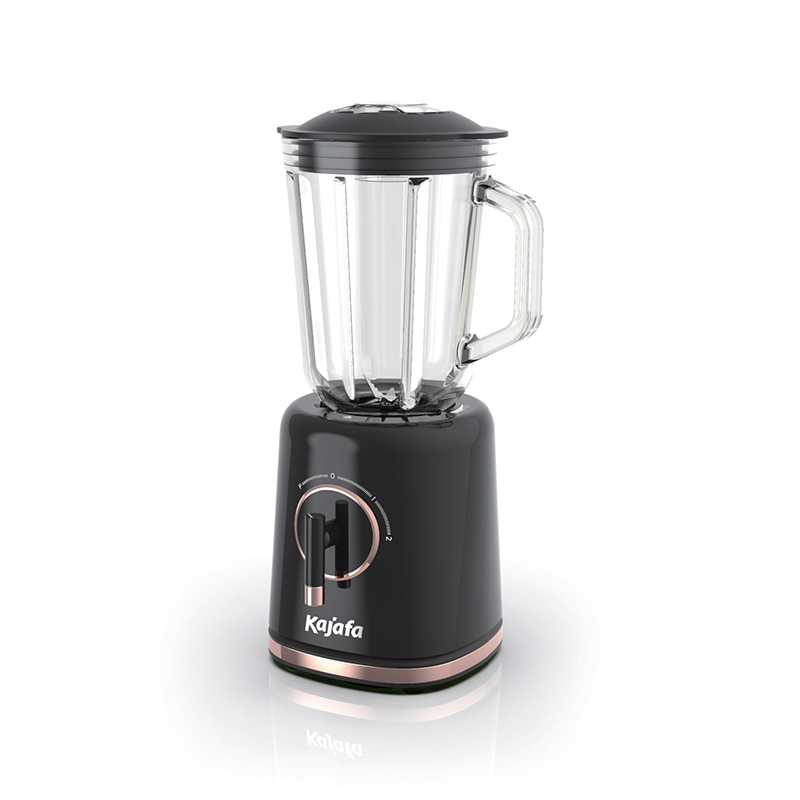
Motor power also determines whether you feel like a barista or a mechanic at 6 a.m. A 1200 W unit is overkill for a 200 ml morning drink but useful if you regularly use frozen banana, mango, and ice together. For the full range of wattage options described by the manufacturer, look through our blender lineup before deciding.
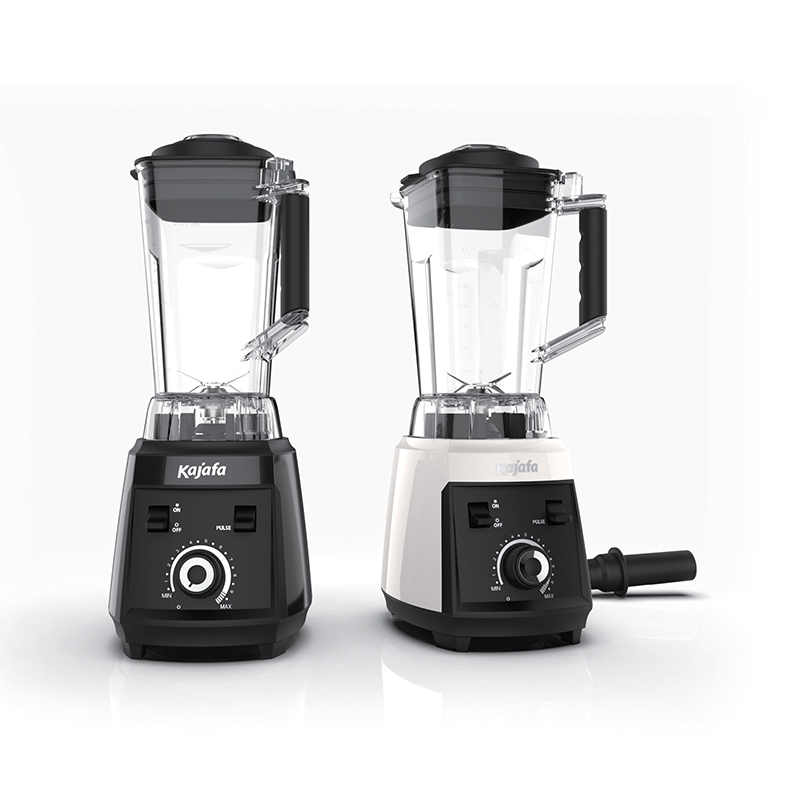 1200W Countertop Blender with 2000ml Capacity for Home and Commercial UseThe surrounding text stresses motor power for frozen fruit and ice. This model delivers 1200W and a 2000ml jar to handle large ice and frozen ingredients confidently, making it a strong pick for those heavier blends.View Product →
Six Coconut Oil Smoothie Recipes That Actually Work
The recipes below are written in a specific order that matters: liquid first, fruit second, oil last. Each one yields one 400 to 500 ml serving, takes about five minutes, and stays within the 1-to-2-tablespoon oil range. The calorie counts are approximate and rounded from standard USDA ingredient values.
1. Tropical Pineapple-Banana Coconut Smoothie
Yield: 1 serving | Time: 5 minutes | Approx. 330 kcal
- 1 cup (150 g) frozen pineapple chunks
- ½ ripe banana (about 55 g peeled)
- 1 tbsp (14 g) unrefined coconut oil, melted
- 120 ml coconut water
- 120 ml plain yogurt or dairy-free yogurt
- 1 tbsp lime juice
- Pour the coconut water and yogurt into the blender first.
- Add the lime juice, banana, and frozen pineapple.
- Start on low and run for 15 seconds.
- Pour in the melted coconut oil through the lid while the blender is running.
- Increase to high and blend for 25 to 30 seconds until the mixture is smooth.
2. Green Detox Smoothie with Kale and Pineapple
Yield: 1 serving | Time: 5 minutes | Approx. 260 kcal
- 1 large handful kale, stems removed (about 30 g)
- 1 cup (150 g) frozen pineapple
- ½ frozen banana
- 1 tbsp unrefined coconut oil, melted
- 200 ml cold water or coconut water
- ¼ avocado (optional, for extra creaminess)
- Add water, kale, and banana to the blender and blend on low for 20 seconds.
- Add frozen pineapple and run on medium for 15 seconds.
- Pour in melted coconut oil while the blades spin.
- Blend on high for 30 seconds until bright green and fully smooth.
3. Chocolate-Peanut Butter Coconut Smoothie
Yield: 1 serving | Time: 5 minutes | Approx. 420 kcal with protein powder
- 240 ml unsweetened almond milk
- 2 tbsp (32 g) creamy peanut butter
- 1 tbsp refined coconut oil or MCT oil
- 1 scoop (about 25 g) chocolate protein powder
- 1 tbsp unsweetened cocoa powder
- 4 ice cubes
- Combine almond milk and peanut butter in the blender and blend on low for 15 seconds.
- Add protein powder, cocoa powder, ice, and the coconut oil — melted for standard blenders, cubed for 700 W and above.
- Run on medium for 20 seconds, then high for 30 seconds.
- Taste, adjust sweetness with a few drops of stevia or 1 tsp maple syrup, and blend another 5 seconds.
4. Strawberry-Mango Coconut Smoothie
Yield: 1 serving | Time: 5 minutes | Approx. 340 kcal
- 1 cup (140 g) frozen strawberries
- ½ cup (80 g) frozen mango cubes
- 1 tbsp unrefined coconut oil
- 180 ml light canned coconut milk
- 1 tsp honey
- 1 tbsp lime juice
- Pour coconut milk and lime juice into the blender.
- Add frozen strawberries and mango.
- Blend on low for 15 seconds to break the fruit down.
- Add honey and melted coconut oil, then blend on high for 30 seconds.
5. Golden Mango-Turmeric Coconut Smoothie
Yield: 1 serving | Time: 5 minutes | Approx. 300 kcal
- 1 cup (170 g) frozen mango
- 1 cup (240 ml) oat milk or regular milk
- 1 tbsp unrefined coconut oil
- ½ tsp ground turmeric
- ¼ tsp ground ginger
- 1 pinch of black pepper (helps with turmeric absorption)
- 1 tsp maple syrup
- Start the blender with milk, turmeric, ginger, and black pepper; pulse three times.
- Add frozen mango and maple syrup.
- Blend on medium for 20 seconds.
- Pour in coconut oil and blend on high for 25 seconds.
6. Iced Coffee-Coconut Breakfast Smoothie
Yield: 1 serving | Time: 5 minutes | Approx. 270 kcal
- 240 ml cold brew coffee or cooled brewed coffee
- ½ frozen banana (about 55 g)
- 1 tbsp refined coconut oil
- 2 tbsp heavy cream or coconut cream
- 4 ice cubes
- ½ scoop vanilla protein powder (optional)
- Pour coffee into the blender, then add cream, banana, ice, and protein powder if used.
- Blend on low for 15 seconds.
- Pour melted coconut oil into the vortex while the motor runs.
- Blend on high for 25 seconds until glossy.
Using a Portable Blender for Coconut Oil Smoothies
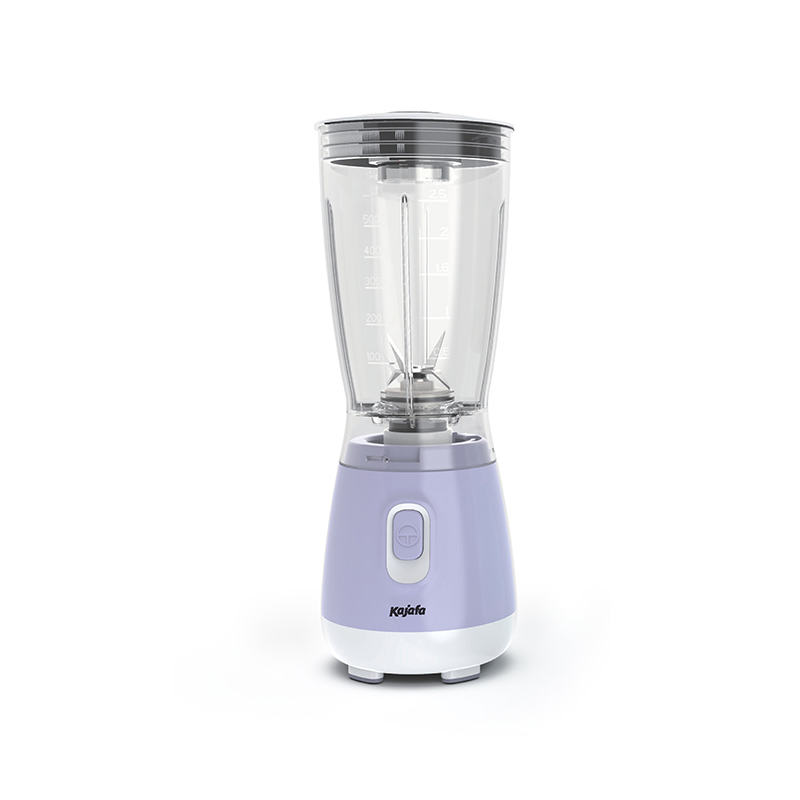
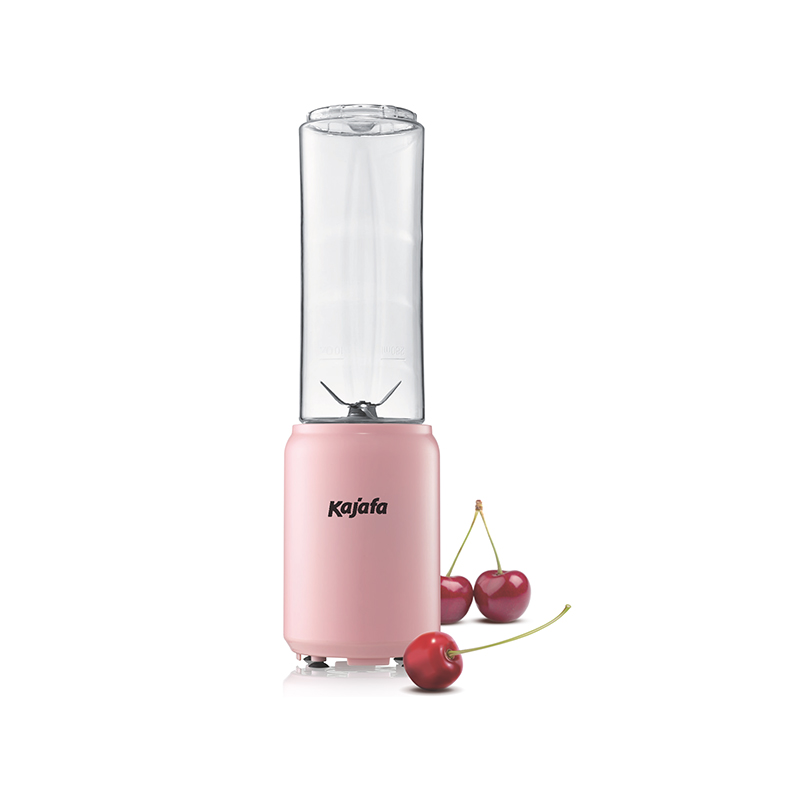
Small USB or mini blenders in the 250 to 400 W range make good single-serving coconut oil smoothies, but they stall quickly on large ice cubes and raw fibrous greens. To keep the mix working, cut fruit into roughly 2 cm pieces and keep the total liquid volume below the bottle's fill line — usually around 280 to 400 ml.
- Melt the oil first; a solid lump will defeat a 250 W motor.
- Add liquid up to about one-third of the bottle, then fruit, then the melted oil last.
- Run for 30 seconds, stop, shake the bottle, and run another 30 seconds.
- If the blades sound high-pitched and hollow, add a splash of liquid rather than blending dry.
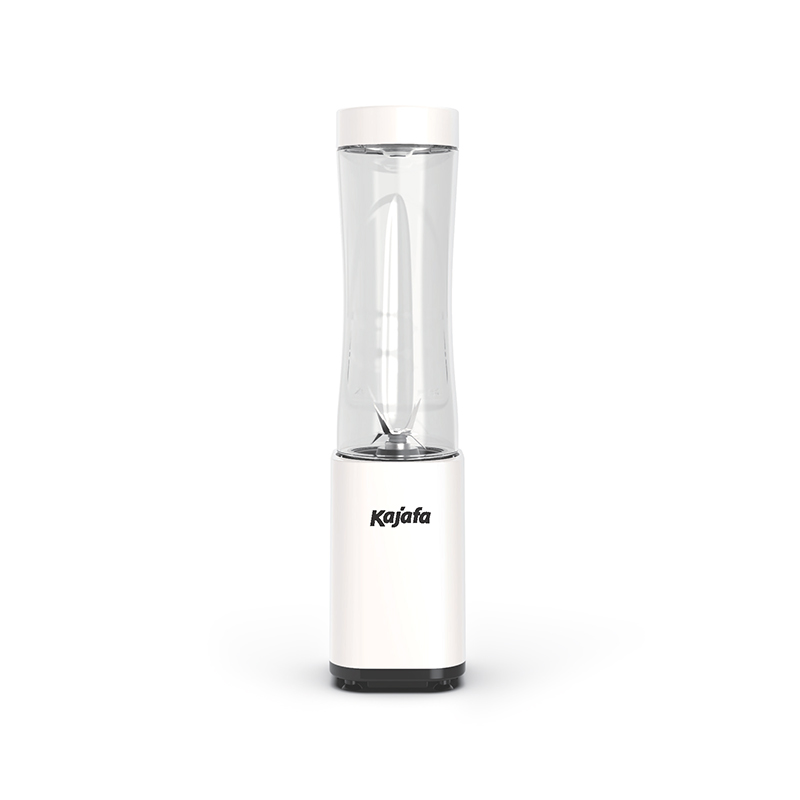 150W Portable Personal Blender with 280ml Bottle for Travel and GymThe before-card text covers small USB and mini blenders suited to single servings but limited on ice and greens. This compact 280ml unit is a convenient travel-sized option for quick coconut oil smoothies when portion size and portability matter.View Product →
Meal-Prep Routine: Freezer Packs, Oil Cubes, and Grinding
A coconut oil smoothie is one of the easiest things to prep ahead. The fruit can be frozen for days, but the oil should generally be added at blending time so it emulsifies properly instead of separating in the fridge.
- Freezer packs: portion each recipe's fruit into a zip-top bag, press out the air, and freeze flat. Write the date and recipe name on the bag so the rotation stays clear.
- Oil cubes: melt coconut oil and pour it into an ice cube tray at 1 tbsp per cube. Pop out the cubes after 30 minutes and store them in a sealed bag in the fridge. Drop one cube into warm liquid at blending time.
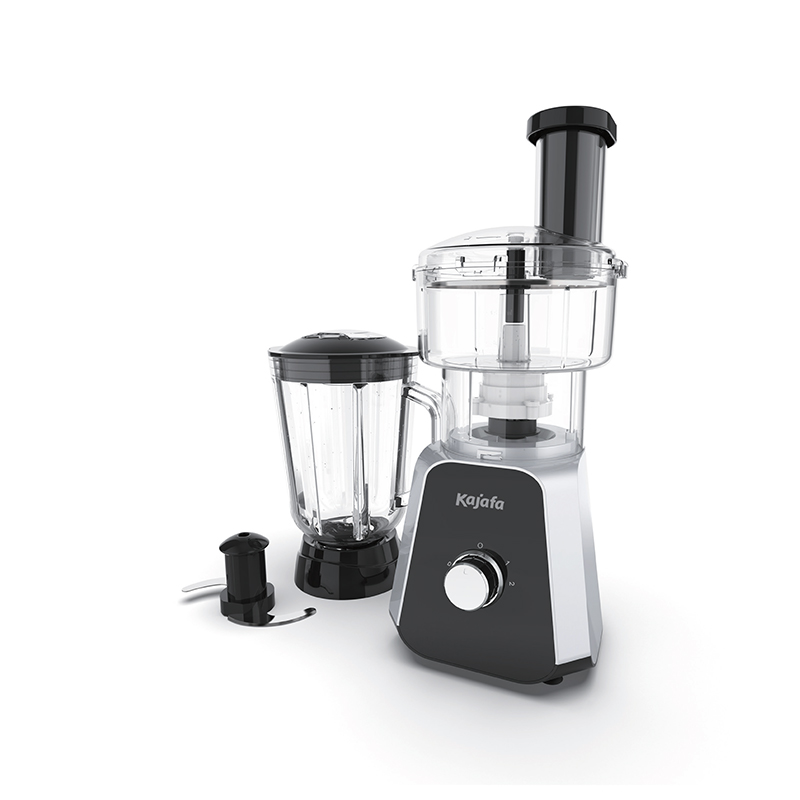
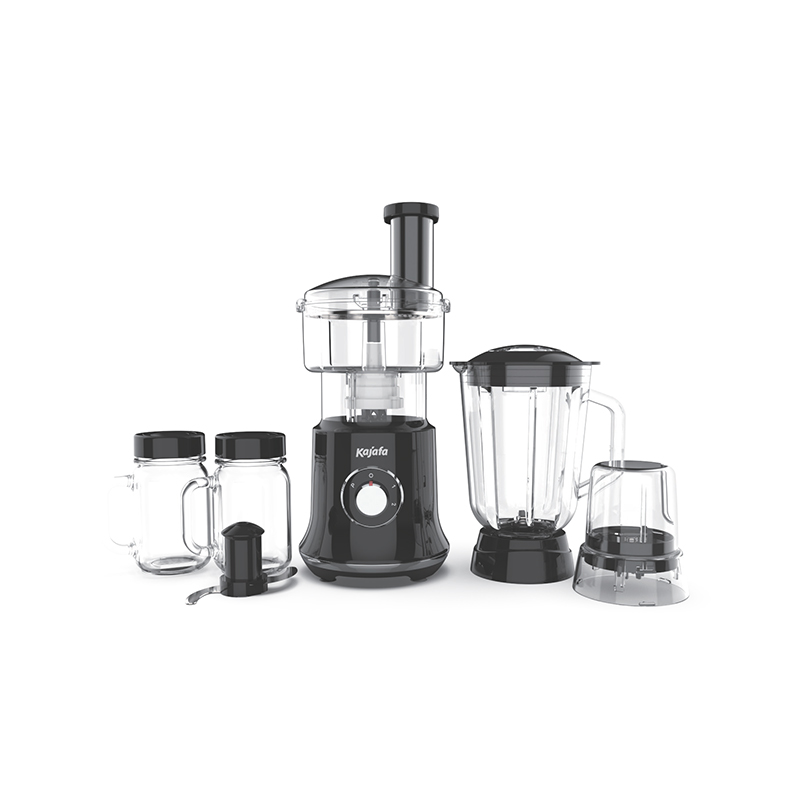
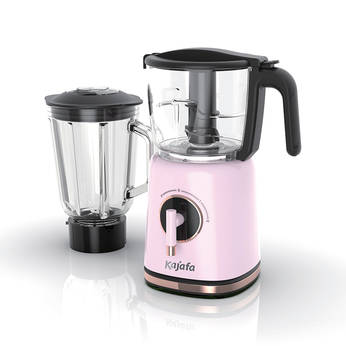
- Grind seeds fresh: chia, flax, and hemp seeds oxidize quickly. A 2-in-1 blender with a grinder cup can turn whole flaxseed into powder in about 10 seconds, so you add it to the smoothie right before the oil.
 2-in-1 Food Jug Blender with Grinder, Ice Crusher and Two SpeedsThe paragraph before this card discusses prepping coconut oil smoothies ahead and adding oil at blending time. This versatile 2-in-1 blender with separate jug and grinding functions supports both blending and grinding, matching the need for flexible smoothie prep.View Product →
Frequently Asked Questions about Smoothies with Coconut Oil
1. Can I put coconut oil in any smoothie?
Yes, but match the oil type to the flavor. Unrefined coconut works with tropical and green recipes; refined suits chocolate, coffee, and nut butter. Keep the amount within 1 to 2 tablespoons for a 400 to 500 ml glass so the texture stays creamy rather than greasy.
2. Does coconut oil make smoothies healthier?
It adds medium-chain triglycerides and helps your body absorb fat-soluble vitamins such as vitamin A and vitamin K. It is still an oil, at 13.6 g of fat and about 117 kcal per tablespoon. Treat it as a purposeful ingredient for satiety and texture, not as a calorie-free topping.
3. My smoothie tastes greasy. Why?
Usually because the oil amount is too high, the oil was added solid, or the blend time was too short. Drop back to 1 teaspoon, increase the liquid by 50 ml, and blend on high for at least 30 seconds. If the problem persists, switch to MCT oil.
4. Can I use coconut oil in a mini or USB blender?
Yes, if the oil is melted first and the fruit is cut into small pieces. Keep the total volume below the fill line and give the bottle a shake between blending bursts so the oil does not sit at the bottom.
5. Is MCT oil better than regular coconut oil for smoothies?
MCT oil stays liquid in the fridge, has almost no flavor, and does not clump. The trade-offs are cost and tolerance: start with 1 teaspoon and increase over several days, because a sudden full tablespoon can cause stomach discomfort.
6. The oil separates after I store the smoothie in the fridge. What should I do?
That is normal. Shake the bottle hard or re-blend for 10 seconds before drinking. For best texture, consume a coconut oil smoothie within 12 hours of blending.